


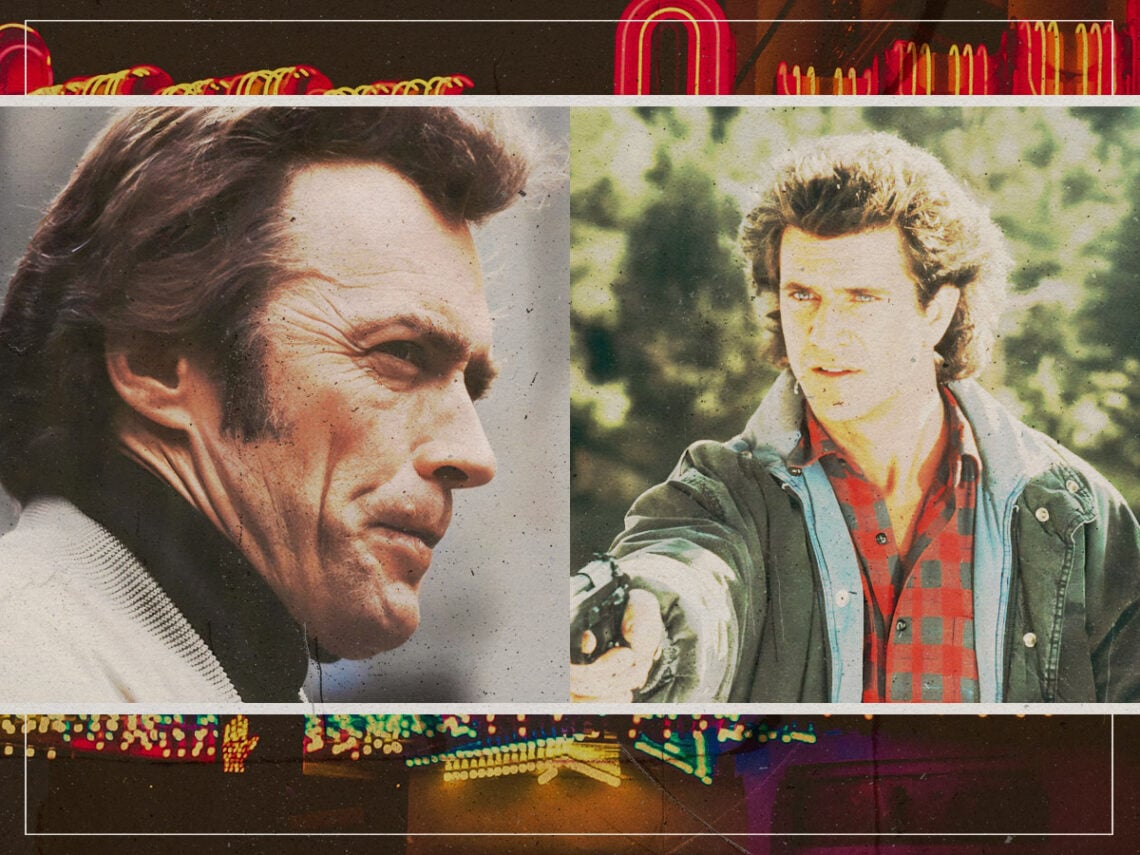
“What are you, scared?”: the tough love Clint Eastwood gave to Mel Gibson

Having become an iconic superstar in front of the camera and a four-time Academy Award-winning legend behind it, there are few people in Hollywood better qualified to offer advice on any aspect of filmmaking than Clint Eastwood.
The actor has enjoyed one of the most remarkable careers in the history of the moving image, spending seven decades as a household name, cultivating one of the most indelible personas the silver screen has ever seen, and setting the benchmark for what every performer with designs on directing desires to be.
It helps immeasurably that Eastwood has never been one to sugar-coat his opinions, either, which allows him to cut straight through the bullshit and dispense nuggets of wisdom unfiltered from industry platitudes, niceties, or cliches. When Mel Gibson was in need of a change, there was only one person he knew he needed to turn towards.
With his own A-list position about as bulletproof as it could be in the early 1990s, the Lethal Weapon frontman wanted to freshen things up. He’d always had an interest in the filmmaking process but hadn’t yet acquired the confidence to strike out away from his acting pursuits in favour of picking up the megaphone.
When he did, it came under solid-if-unspectacular circumstances, with 1993’s The Man Without a Face marking a promising debut. Long before he called action on the first day’s shooting, Gibson was terrified at the prospect of being a first-time director with so much to lose until Eastwood offered some much-needed tough love.
“Before I made my first film, I was really scared and looking for some cues,” he told Alex Simon. “I had seen Unforgiven and really liked it, and I called Clint up and told him that I was about to direct my first film and, ‘What’s the deal?’ He said, ‘What are you, scared?’ I said, ‘Fucking A, I’m really scared!'”
Fortunately, Eastwood had been in that exact position before as a proven star taking their first steps into directing, telling Gibson that “you’ve been hanging around a long time, and there’s lots of subliminal shit that you’ve picked up, and you don’t even know it’s in there.” He got straight to the point, and that was all the first-timer needed to accept that maybe he had it in him to be a director, after all.
Gibson’s second feature began shooting just ten months after his first had been released, and with Eastwood’s advice ringing in his ears, he put the “subliminal shit” he’d been told to good use, steering Braveheart to over $200 million at the box office and five Oscars, including ‘Best Picture’ and ‘Best Director’, fittingly emulating his inspiration by winning those two trophies for a movie in which he also played the lead role.

Never Miss A Tale
The Far Out Clint Eastwood Newsletter
All the latest stories about Clint Eastwood from the independent voice of culture.
Straight to your inbox.