


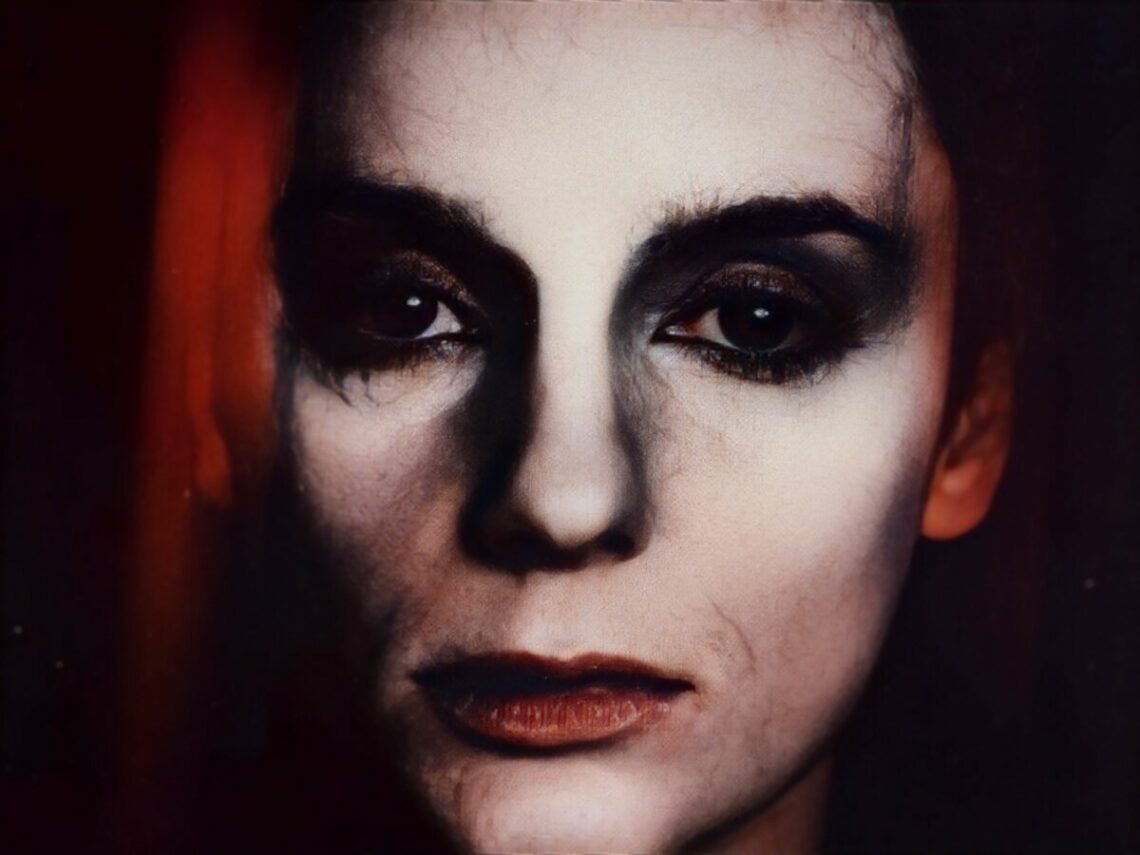
‘Topos’: feminist filmmaking at its most phantasmagorical

The world of feminist filmmaking has taken many twists and turns over the years. At any given point in time, there has always been at least one female director who has sparked outrage and controversy for their exploration of womanhood, with the likes of Catherine Breillat, Claire Denis, and now Julia Ducournau being subject to fury and widespread panic over the ideas conveyed in their work.
From Fat Girl, U.S. Go Home and Titane, the subject of patriarchal oppression has been ticking away within the forefront of cinema for decades, explored both subtly and explosively, leading to sticky debates and discussions about the limiting depiction of femininity in Hollywood and our public discomfort with seeing the inner world of women who defy these norms.
However, while the narratives in the previously mentioned films are unconventional, they still operate within the realm of classically structured storytelling. One film stands out for its experimental approach and incomparable method of dissecting the portrayal of women in Western media.
Antoinetta Angelidi is a lesser-known director and early pioneer of the Greek Weird Wave movement, taking this genre to a place that not even Yorgos Lanthimos would touch with a ten-foot pole through her deeply abstract and deconstructed style of filmmaking. Born in 1950, the director showed an early fascination with the arts and devoted much of her time to painting and drawing, later expanding her understanding of film through an architecture degree that encouraged her to exercise freedom over the traditional framework of the medium.
Her debut feature film, Variations on the Same Theme, demonstrated a fascination with the relationship between language, sound and images, something that informed the groundbreaking fluidity of her 1985 film Topos.
Topos is one of Angelidi’s most experimental and formative films, dissecting the way that women have been treated and depicted in Western media. The director creates an eerily elusive and visceral collection of images and sounds that work to heighten our senses, entirely taking place on a factory sound stage as she shows historical representations of women throughout different periods in time.
It all takes place in an extremely sparse space, encouraging us to focus on the abstract sequences enacted in the vignettes, performed in a theatrical yet blunt way. Each scene articulates the struggles of women in a stripped-back way, accompanied only by silence and the discomforting bodily noises that the actors are making, with strange clicking, scraping, breathing and howling noises ringing through the emptiness.
It isn’t an easy film to understand, and each moment lends itself to many different interpretations, but it collectively pieces together a critique of the way women are shown in art, creating an unsettling tapestry of the experiences that have defined our identities over the years. It is moving in a strange and unknowable way, with an indiscernible madness that is both disturbing and comforting as these characters shift between multiple definitions of themselves before your eyes. The stage becomes a cage in which the insides are living, breathing and evolving in front of us, reflecting the resilient resistance of these one-note definitions and the demand for expansion.
