

The mundane genius of BBC series ‘This Country’
Read More


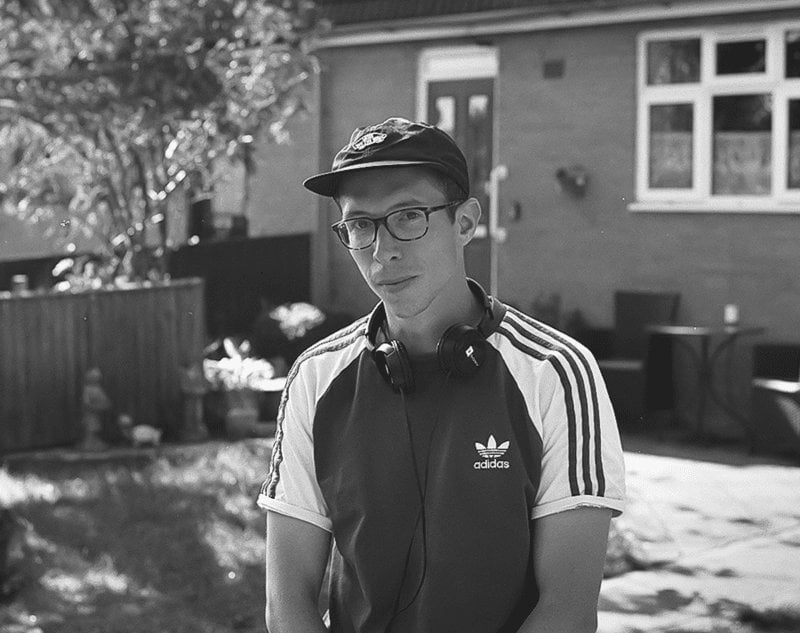
Becoming as famous in the milieu of British comedy as David Brent of The Office or Basil Fawlty of Fawlty Towers, the familial duo of Daisy May and Charlie Cooper achieved national stardom upon the release of the 1mph countryside mockumentary This Country back in 2017. A portrait of curious life in the British countryside, the series, written by the lead stars and directed by young filmmaker Tom George, became a staple of contemporary pop-culture.
Focusing on the inhabitants of an unnamed Cotswolds village who shuffle aimlessly around a fatigued microcosm of Englishness, the joy of This Country resides in its truly organic formation of comedy. With clumsy social awkwardness, lead characters Kerry and Kurtan expose the quaint eccentricities of traditional England in all its shabby, weird, ugly, awkward and immature blemishes.
Winning a BAFTA for his work on the show back in 2018, director Tom George has now fled the serenity of the Cotswolds for the chance to seize the wider world of big-budget filmmaking by the horns, helming the murder-mystery See How They Run with the likes of Saoirse Ronan, Sam Rockwell, Adrien Brody and Harris Dickinson.
Sitting down with George, we had the chance to pick his brains about the success of This Country, and how the show’s comedy fed into his brand new feature film.
Far Out: How did you come to work with Charlie and Daisy May for This Country? Did you know it was going to work from the off?
George: “So, when I came on board, they had just had a couple of scripts commissioned by the BBC. It was very early days, there was maybe like an early draft of one episode, and I was lucky enough to get brought on by the producer to come and work with them on the original stories and then figure out how we were going to shoot it, because at that stage, we hadn’t, hadn’t even decided it was gonna be a mockumentary. But from very early on, it was clear how funny they both were and how detailed their knowledge of that world was that they were creating.”
“Then it was a matter of, ‘how do you best capture that as a group?’ not just on camera, but how do you make sure that you do that comedy justice and create a show that kind of captures that tone that they naturally were bringing to it. Above all, they’re brilliantly funny writers of dialogue, they’ve just got brilliant ears for listening to the way that people talk and the odd, funny things that people say and the way people phrase language.”
Did you have a say in terms of tone? What made you guys land on the mockumentary style, were you influenced by any in particular?
“I deliberately didn’t go back and watch many mockumentaries. What we really first bonded over as a group, the Cooper’s and I, were documentaries. All three of us are big documentary fans, so we went back and watched a lot of documentaries from all sorts of different periods because what we wanted was to make something that really felt like it could be a documentary. I felt like, since The Office, a lot of mockumentaries weren’t really doing that, they were using the mockumentary as a way to set up jokes or pay off punchlines, but they didn’t actually feel like documentaries.”
What do you think it was that struck a chord with the series? I feel like there hasn’t been a series since that has captured this current feeling of modern British comedy
“It’s really hard for me to say because I’m very close to it. I think what appealed to me was the specificity. Daisy and Charlie write with such an eye on specific ideas and thoughts and references and language. Only they could have written that show. It’s so informed by their own lives and the world that they live in in the Cotswolds that they just knew those characters and those types of characters in such fine detail that it just has the ring of truth to it. Whether you’re from a small village yourself, or from a suburb in a city, almost anywhere in England, you’ve had that experience of feeling like you’re in a small bubble with just three or four streets on either side of you being ‘the world’, that is most of our experience.”
It must help that it’s in this countryside setting because I felt like mockumentary comedy has been done in the city with The Office and People Just do Nothing, but I think it’s quite unique to frame it in the countryside.
“What I loved about it was that, unlike most mockumentaries, you have these two characters who didn’t have any idea how a documentary really works or care about it. So in The Office, David Brent is hyper-aware of how things might be perceived, that’s why he’s trying to play up to a certain version of himself in that show, and you get a similar thing going on in People Just do Nothing, where they’re media savvy, they know there’s an audience who’s going to watch this eventually, ‘we don’t want to come across as idiots’. In This Country, Kerry and Kurtan don’t think like that. They’re the kind of contributors that you get in a documentary who, within 10-15 minutes, have forgotten that the cameras are around, and they’re just back to acting like they would whether the camera was there or not.”
So, what was then the transition then from doing the third series of This Country to See How They Run, were you working on the film during the production?
“So, I first read the script for See How They Run when we had just finished the final series of This Country, and it was just about to be broadcast. In some ways, they couldn’t be more different because one’s a mockumentary with a very low-fi aesthetic to it, and one’s a period murder mystery with a more high production value approach to it. But I tried to bring as much of my approach to working from This Country to See How They Run as I possibly could. At the heart of that is performance, and comedy performance in particular, which is always the most important thing to me; trying to bring with me some of that freedom to continue to work the scripts on the floor and find new things as they arise on the day.”
Was there anything specific about it being a comedy crime caper that intrigued you to want to get involved with the project?
“I think what appealed most was the chance to make something that was both a thriller, a murder mystery, but also a comedy, and how to balance those two things. Because you need to be careful with each one to make sure that they’re not trampling the other, they’ve got to be carefully arranged. It’s a murder mystery, but it’s also a film that’s about murder mysteries. But also, really at its heart, it’s a character comedy, it’s a story of this partnership between Sam [Rockwell] and Saoirse’s [Ronan] characters, and in some ways that felt very familiar coming from This Country, you’ve got an odd couple at the heart of this world of like West End theatre land. It strangely didn’t feel like as big a leap from This Country as it might first appear.”
I would definitely like to see Kurtan and Kerry from This Country in a similar situation, with a cast of those characters
“It’s so good getting to bring Charlie Cooper and Paul Chahidi with me on this journey, and having them as part of the ensemble was just magic.”
Did you try to tempt Daisy May Cooper?
“I talked to Daisy about being in the film and would have loved her to join the cast, we just couldn’t make schedules work. So it wasn’t possible to fit her in, but yeah, I can’t wait to work with Daisy again, we just laugh every day with her on set, as you can probably imagine.”
Well, with that being said, you have put together a pretty great cast.
“Right? Yeah, it’s not bad.”
Did you have your eye on Adrien Brody and the likes of Saoirse Ronan and Sam Rockwell from early on? How did you decide on getting them on board?
“Sam and Saoirse both came on board very early on, Saoirse was the first person we went out to and the first person who I had in mind for Stalker. She read the scripts, we had one call about it, and she agreed to do it, which is a testament to how good Mark Chappell’s script was, and I think Saoirse was excited to do something people hadn’t seen her do before. Sam Rockwell and David Oyelowo came on board very early, and so those three were kind of in place from the start, and then it was a matter of how we built the rest of the ensemble around them. Adrien Brody came on board slightly later in our casting process, which is strange to me now because I think he’s such a perfect fit for that part. It was just a total joy watching him be Leo Köpernick, he got the tone of what we were trying to do from the get-go.”
It’s a great performance. I also love Saoirse Ronan, she’s got surprisingly great comedy timing.
“Yeah, she’s brilliant. I knew she had good comedy instincts from Ladybird because there is great comedy in that, albeit it’s a different type of comedy to this film. But she’s naturally funny, and also, she turned out to be a great improviser as well. I’m excited for people to see a slightly different side to Saoirse that they haven’t seen before.”
How much room for improvisation did you leave for the cast on set?
“I always like there to be some improvisation in the way that I work. This was obviously a film where it’s quite tightly scripted, lots of it is quite honed, and it needs to be set in a certain order, it sort of demands that you stick to the script for large sections of it. Having said that, I’m always looking for ways that we can improve the scene as we film, and Mark [Chappell], who was on set a lot while we were shooting, is totally into that way of working as well. I’m really happy to say that there are probably half a dozen moments throughout the film which weren’t in the script and were found either during rehearsal with the cast or while we were shooting it.”
“I’m always conscious of the fact that the biggest challenge in comedy is to really keep it alive. When you’re on to doing take 10 or 11, or 12 of a scene, it can be kind of dangerous, it can get a little well-worn, everyone knows how it’s gonna play, and everyone knows where the jokes are. Sometimes improv doesn’t necessarily mean you’re looking for them to generate whole new jokes or to take the scene in a wildly different direction, it can be just saying, ‘okay, let’s do a loose pass, where we don’t mind exactly what the specific words are, let’s see if it freshens it up and gives you any interesting nuance or detail’.”
It feels like improvisation was quite a big part of This Country too
“There’s probably less improvisation in This Country than people think because Daisy and Charlie’s dialogue is so brilliant that it just feels so natural. So we would always go into every scene thinking if we just get what’s on the page, it’s going to be great, and that’s a perfect position. That’s the position you want to be in because then you feel confident, there’s no pressure and that’s the best frame of mind to be in to let extra things arise and to find little bits of improv that can kind of elevate the scene even further.”
What’s next for you? Are you tempted to do a This Country series four or a See How They Run sequel?
“With See How They Run, I always felt like, whether there’s a sequel or not, you should get to the end of the film and feel like you want there to be. Because it’s the story of these two characters coming together to crack the case, if we’ve done a good job, then you should get to the end of the film and feel like I want to go on more adventures with Sam Rockwell on Saoirse Ronan. Whether those happen or not, I think often it’s best to leave things where they are and get out on a high. That was certainly our approach to This Country. We announced when the third series came out that it would be the last one, and certainly from my point of view, and I think I speak for the others, we haven’t changed our minds about that. We always liked shows that got out when they were still good, and they left you wanting more. But in terms of working together as a group again, that’s certainly something that we’d love to do in the future.”
