

What is trip-hop and where did it originate?
Read More


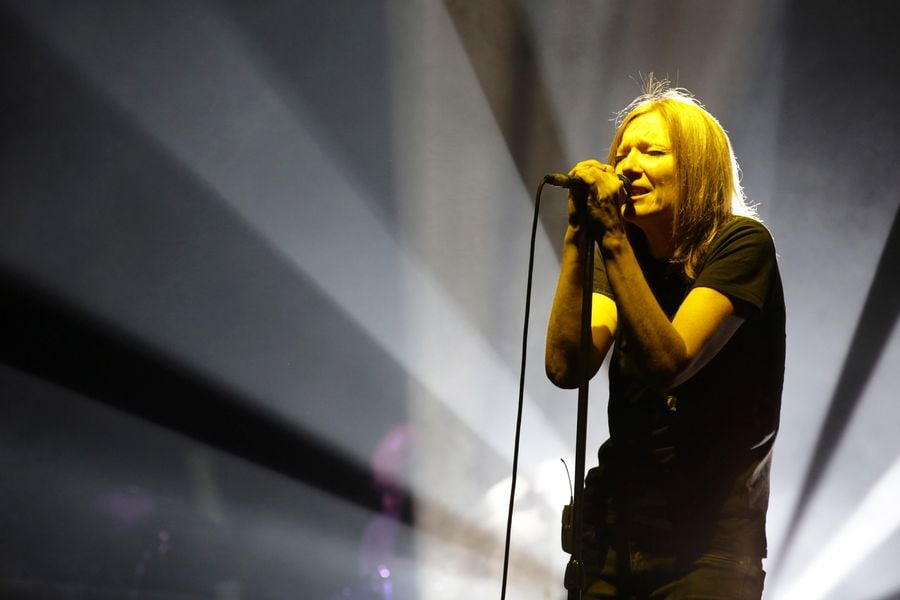
In the early 1990s, Massive Attack pioneered what would later be named trip-hop. The genre separates itself from its cousin, hip-hop, through its characteristically more ominous atmosphere and slow brooding vocals, often with disparate genres thrown into the mix – notably jazz and reggae. Massive Attack’s Bristol neighbours Portishead took the bare bones of trip-hop and created a whole new realm within the subgenre.
While Massive Attack were inspired by reggae and often included downtempo rapping in much of their earlier material, Portishead were blessed with Beth Gibbons’ anguished, powerful yet delicately haunting vocals. The musical accompaniment provided by Adrian Utley and Geoff Barrow is nothing short of sensational. Scratchy samples meet jazz-inspired percussion and heavily distorted and reverberated guitar sections sending shivers up and down the spine.
After forming in the early 1990s, Portishead released their Mercury Award-winning debut album, Dummy, in 1994. The album premiered the band’s signature style with pure class and brought something truly unprecedented.
Shortly after release day, record shops noticed unhappy customers returning with their Dummy records asking for their money back. They would complain that the quality of the pressing had been compromised by dust during manufacture; fresh from the packaging, there was a static crackle over the quieter passages of the music.
The smug shop owners would duly explain that these Bristolian trailblazers had actually put the crackle in intentionally for added warmth and ambience. Determined to record the album with a vintage feel, Portishead opted for analogue recording methods over the modern digital alternatives. The band produced the scratchy samples heard throughout Dummy by gathering a collection of pre-existing and newly-recorded vinyl and then physically manipulating the sound by jumping on the records and scraping them across the floor. This scene of destruction is any budding record collector’s worst nightmare, but the result was more than agreeable.
After finishing the production with the help of sound engineer Dave McDonald, Portishead packaged the record in an appropriately classy navy blue sleeve. The album cover art selected features a still of Gibbons from the band’s 1994 short film titled To Kill A Dead Man. The ten-minute spy film features the three band members caught in the midst of a dramatic plot of espionage and murder.
To Kill A Dead Man features an original soundtrack helmed by Portishead, with the eponymous theme tune running throughout the film and ‘Sour Times’ from Dummy playing over the closing credits.
The film is preceded by the following message from Portishead: “In 1994, we conceived and made To Kill A Dead Man. We realised very quickly afterwards that we had grossly underestimated just how tough it is to write, design, act and perform a short film. So prepare yourselves, here it is…”
Watch the full film below.
