

Massive Attack: A history of female collaboration
Read More


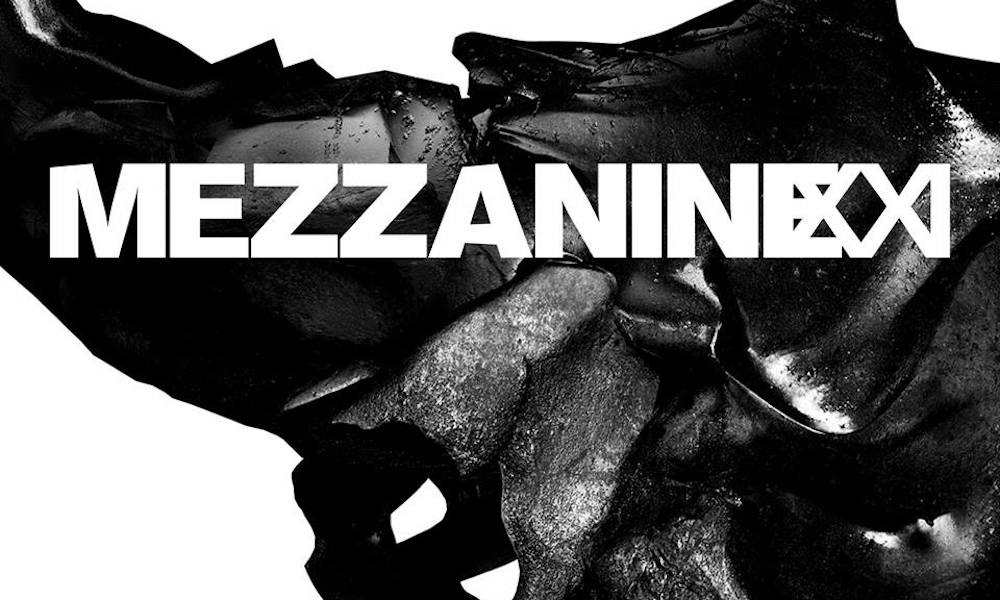
Bristol trip-hop giants Massive Attack hit a creative and commercial peak with their masterpiece Mezzanine in 1998. The group had turned a corner from the more chilled out jazz and hip-hop influences of the previous two albums, Blue Lines (1991) and Protection (1994). This new direction inched toward something darker and much more intense.
While Massive Attack’s first two albums were also fantastic additions to the musical development of the ’90s, it was Mezzanine that most captivated audiences with its irresistible bounty of singles: ‘Teardrop’, ‘Angel’, ‘Risingson’ and ‘Inertia Creeps’. The LP is a real treat for the ears and is a must-have for any vinyl enthusiasts out there. The artful production and epic soundscapes give an almost cinematic feel. This was recognised by director John Moore who used ‘Angel’ in his 2004 remake of Flight of the Phoenix to great effect.
Those beholding the album for the first time in the late 1990s will remember the iconic and rather imposing image of a black creepy-crawler set against a white background. The album cover was the fruit of the first collaboration between Robert Del Naja (AKA 3D), art director Tom Hingston and the famous fashion photographer Nick Knight OBE.
During the creation of the third album, Del Naja had become oddly fascinated with spiders. He would recall dreaming vividly of arachnids and insects and became intrigued by their form and the patterns on spiders’ backs. As a result of this infatuation with bugs, the gatefold album sleeve was designed using an enlarged photograph of a stag beetle which was taken by Knight at the Natural History Museum in London.
The final print was a composite of multiple shots that Knight took during his visit to the museum. Del Naja later emphasised the relevance of the design as it symbolised the turning point for Massive Attack: “It was a chrysalis moment where we were trying to emerge as something different. We just wanted to firmly establish our own identity, and I think Mezzanine was the opportunity to do that,” he said.
The brilliance and intrigue of the album doesn’t stop here, though. In 2018, Mezzanine had its 20th birthday; in celebration, the record was encoded into synthetic DNA — the first time this has ever been done. So this album exists in digital, analogue and now also in the form of genetic information. The coding was compacted into 920,000 DNA strands, then poured into 5,000 small glass beads and a number of aerosol cans — the album is now preserved for eternity in this form. If all copies of the album were wiped out, all civilisation would need to repopulate civilisation with Massive Attack lovers is a single bead of Mezzanine DNA.

