


The Emerson, Lake and Palmer record the band wished they’d never made: “Tired creatively”

Sometimes it becomes obvious when the tensions in a band have begun to reach their limit, and they’ll begin to show in the music they produce together.
When the bank of ideas begins to dry up, stress becomes a huge part of the creative process, and in a forced effort to continue writing music to appease fans and also keep things exciting, everything starts to decline in quality in a way that is indicative of the pressure the band are finding themselves under. By the end of the 1970s, when they’d already released six high-quality studio albums, Emerson, Lake and Palmer became acutely aware of this strain on their songwriting, and, ultimately, their relationships.
For progressive rock bands, especially, creative exhaustion could become impossible to hide. When your entire reputation is built on innovation and technical ambition, even a slight dip in inspiration suddenly feels catastrophic to both the musicians and their audience.
When other bands start showing signs of faltering, songs written by different band members tend to appear on albums to shake things up or simply keep them happy after complaining that they don’t get enough time in the spotlight. However, this can often cause an album to be cluttered with ideas that don’t work well together and disrupt the flow of a record, flitting from one distinct voice to another. In the case of ELP though, they were always about the chemistry that the three members shared, and everyone was given equal opportunity to shine on their records.
For the prog rock trio, the problem was that they were lacking in enthusiasm and couldn’t decide what direction to take their sound in by the end of what had been a fruitful decade for them, and on their 1979 album Love Beach, which would be their last album together for 13 years, these issues reached a head for the band in an ugly way.
“It was an album that was tired creatively.”
Greg Lake
Speaking to Canadian music journalist Dmitry M. Epstein in 2013, Greg Lake reflected on the troubled time that the band had while piecing it together during a time when they were feeling creatively exhausted. When questioned on why he wasn’t a big fan of Love Beach and whether he was largely responsible for the songs that appeared on the record, Lake dismissed the idea that he was pushing the album’s direction.
“It’s not that Love Beach is a bad album,” Lake began, “it was an album that the band really didn’t want to make. We were forced to make it contractually, but once we’d decided to do it, we gave it our best shot.” Given his story of how external pressures from their record label had pressured the album into existence, it’s understandable why it might feel underwhelming to both fans and its creators.


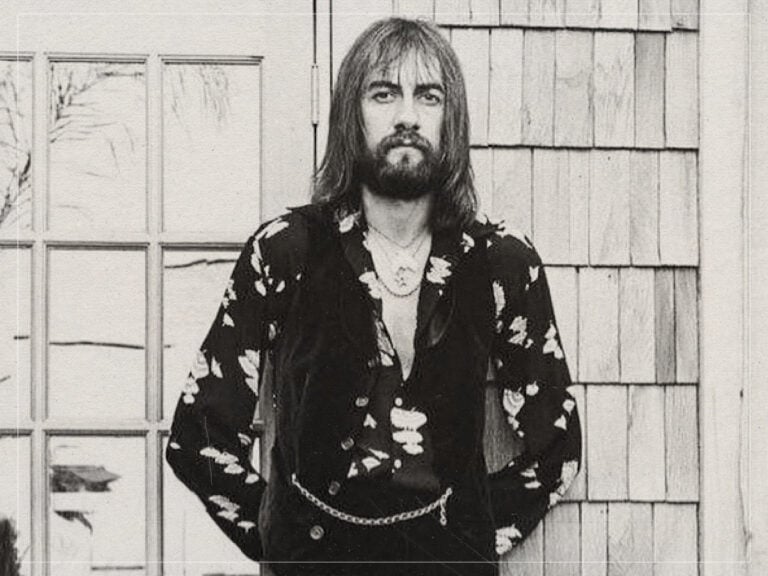
Speaking more about how the songwriting duties were divided on the album, Lake claimed that he had collaborated with lyricist Peter Sinfield on large amounts of it, but that equally there was a lot of contribution from Keith Emerson, who was left to finish the album after Lake and Carl Palmer had recorded their parts for it and left the recording studio in the Bahamas.
“It was another ELP album,” Lake argued, “but it wasn’t the best of ELP records,” before listing almost every album they had recorded previously as being a better example of their work together. “It wasn’t that quality,” Lake insisted. “It was an album that was tired creatively.”
When asked about the lighthearted nature of songs on the record like ‘The Gambler’, Lake humorously explained how cheerful songs used to find their way onto all of their albums. “It became almost traditional that we would so some sort of a lighthearted song,” he explained. “We used to do songs like ‘The Sheriff’ and ‘Jeremy Bender’ and all these things. They were funny songs, because I think ELP was quite a dark band in many ways, and we tried to lighten it up somehow. We thought it was good to have something that was just humorous or carefree on the record.”
Despite finding a way to make the experience of recording an album they didn’t want to make a little less stressful, the humour of ‘The Gambler’ wasn’t enough to rescue Love Beach, and it was doomed to never be able to live up to the highs of previous albums such as Tarkus or Trilogy. Perhaps they were right to take an extended break from each other afterwards.
In hindsight, the hiatus probably preserved part of the band’s legacy. Continuing indefinitely while creatively drained may only have deepened the cracks already forming, whereas stepping away allowed listeners to remember the ambition and brilliance that had originally made Emerson, Lake and Palmer so influential.
