


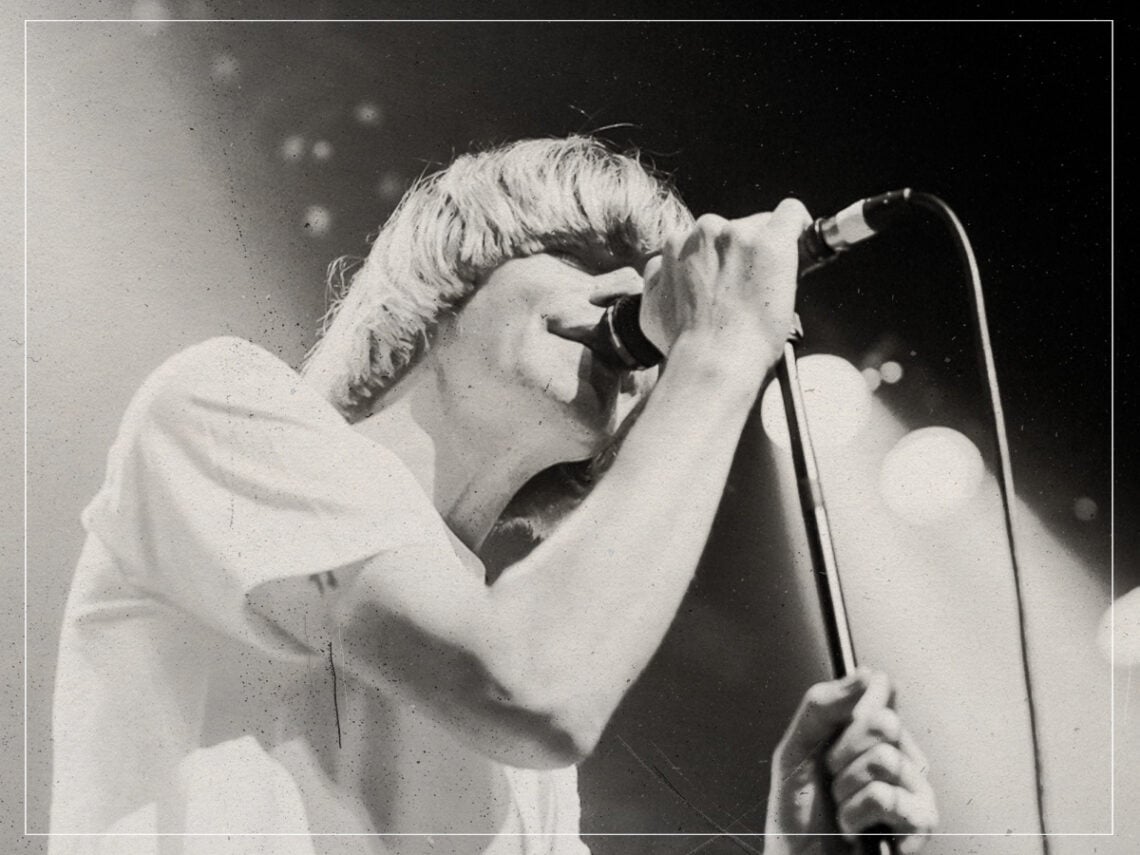
“How could it possibly be mine?”: Tim Burgess’ comical method for smuggling drugs

Born in Salford in 1967, Tim Burgess grew up during the area’s most impactful moment on the musical map. As Burgess navigated his early teens, local punk bands Buzzcocks, Magazine and Joy Division kicked off a new era for the Manchester region, known by many as Madchester. Following the tragic death of Ian Curtis, New Order picked up the pieces, further establishing the Factory label and eventually financing the Haçienda club.
Although chained dutifully to the post-punk scene, New Order created synth-infused dance tracks in a series of seminal 12″ singles throughout the 1980s. They seemed to inspire a more danceable edge to rock and roll, which inspired the likes of Happy Mondays, The Stone Roses and The Charlatans. Although The Charlatans formed in the West Midlands in 1988, they became increasingly associated with the Madchester movement after recruiting Burgess.
The band’s influences ranged from The Stranglers and Joy Division to the early psychedelia of The Doors. Another crucial inspiration was the contemporary rave scene as upheld by The Haçienda. Founded by Factory Records label head Tony Wilson, the club hosted bands of all shapes and sizes, including The Smiths and The Charlatans. Outside of such gigs, DJs would take the ravers into the wee small hours with acid house beats.
Since the dawn of human creativity, intoxication and consciousness alteration have gone hand in hand with artistic expression. As we saw during the psychedelic era in the 1960s, drugs like LSD and cannabis could inspire some alluring and oblique lyrics. Meanwhile, harder compounds like heroin and cocaine bore their teeth and racked up a tragic number of casualties.
The 1960s seemed to enhance the relationship between music and drugs. Throughout the 1970s and ’80s, Pablo Escobar and drug lords of his ilk ensured a steady flow of cocaine into Western hotspots like New York and London, ensuring plenty of energy on the Studio 54 dancefloor and horrifying stories of excess among the stars.
Like fashion, drug trends change somewhat over time. Approaching the 1990s, cocaine was sidelined in favour of MDMA, usually available at raves in the pill form ecstasy. As Bez’s thousand-yard stare often betrayed, The Haçienda was heaving with the stuff. The drug energised the acid house scene and famously influenced New Order’s 1989 album Technique.

Like New Order, The Charlatans got swept up by current trends and enjoyed the rave scene. The wave’s influences are discernable in the band’s oft-danceable singles like ‘The Only One I Know’ and ‘One to Another’. However, remaining true to their grounding in rock and roll, Burgess and his bandmates worked up fairly rampant cocaine addictions throughout the 1990s.
In the depths of Burgess’ hard-partying days, he and his bandmates would blow cocaine up their own or each others’ anuses. Detailing this particular activity in his book Telling Stories, the Charlatans frontman called it “Cocainus”. Supposedly, it could arouse a high unattainable by traditional entries.
When Burgess cleaned up in 2006, he admitted to having taken cocaine every day for over ten years; that’s a shedload of marching powder and a heap of cash. As a rock star, money wasn’t a huge object for Burgess, but he still had to keep an eye on the purse strings in the grips of addiction.
Speaking to The Guardian in 2016, Burgess recalled that “Los Angeles drugs were the best”. Gear in the UK was either far too expensive or of inferior quality. As Mr Escobar noticed fairly soon after founding his cartel, smuggling drugs via commercial airlines demanded a degree of creativity. “I used to post cocaine to myself, taped to the inside sleeve of records like Chicago or a Jamiroquai album,” Burgess added, revealing his ingenious drug smuggling idea. “If I did get caught, I could say, ‘I would never listen to a Jamiroquai record, so how could it possibly be mine?'”
To the great pleasure of Charlatans fans, who hope Burgess will still be onstage in 20 years, Burgess has traded his addictive impulses for healthier obsessions. At the time of his Guardian interview, he said he ate cheese and onion crisps in great profusion. This is far from healthy, but it beats hard drugs. Today, he appears to be rather happy to enjoy a coffee as a gentler and more socially accepted pick-me-up.
