


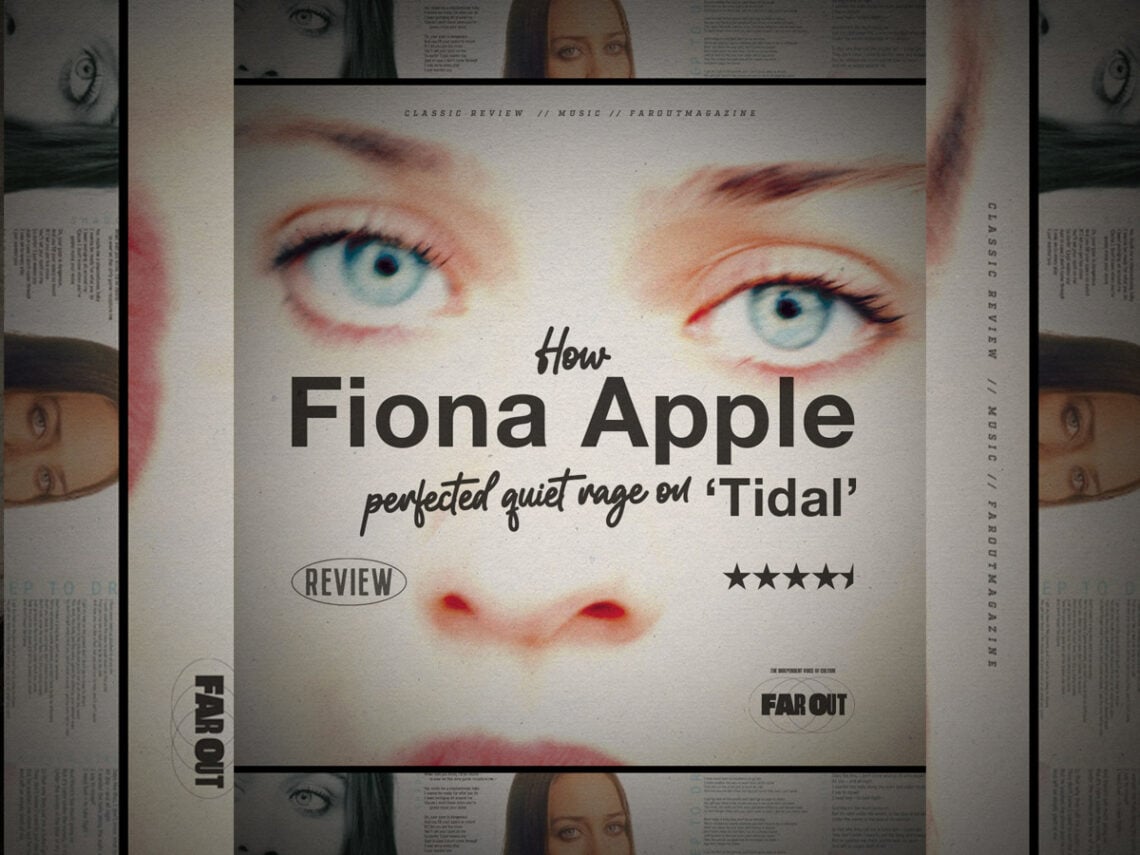
‘Tidal’: How Fiona Apple perfected quiet rage

Recently, I was blessed by my local charity ship with a copy of Fiona Apple’s Tidal on CD, an album that I devoured years ago and often revisit, particularly in the autumn months when the world feels cooler and sentimentality hits more frequently.
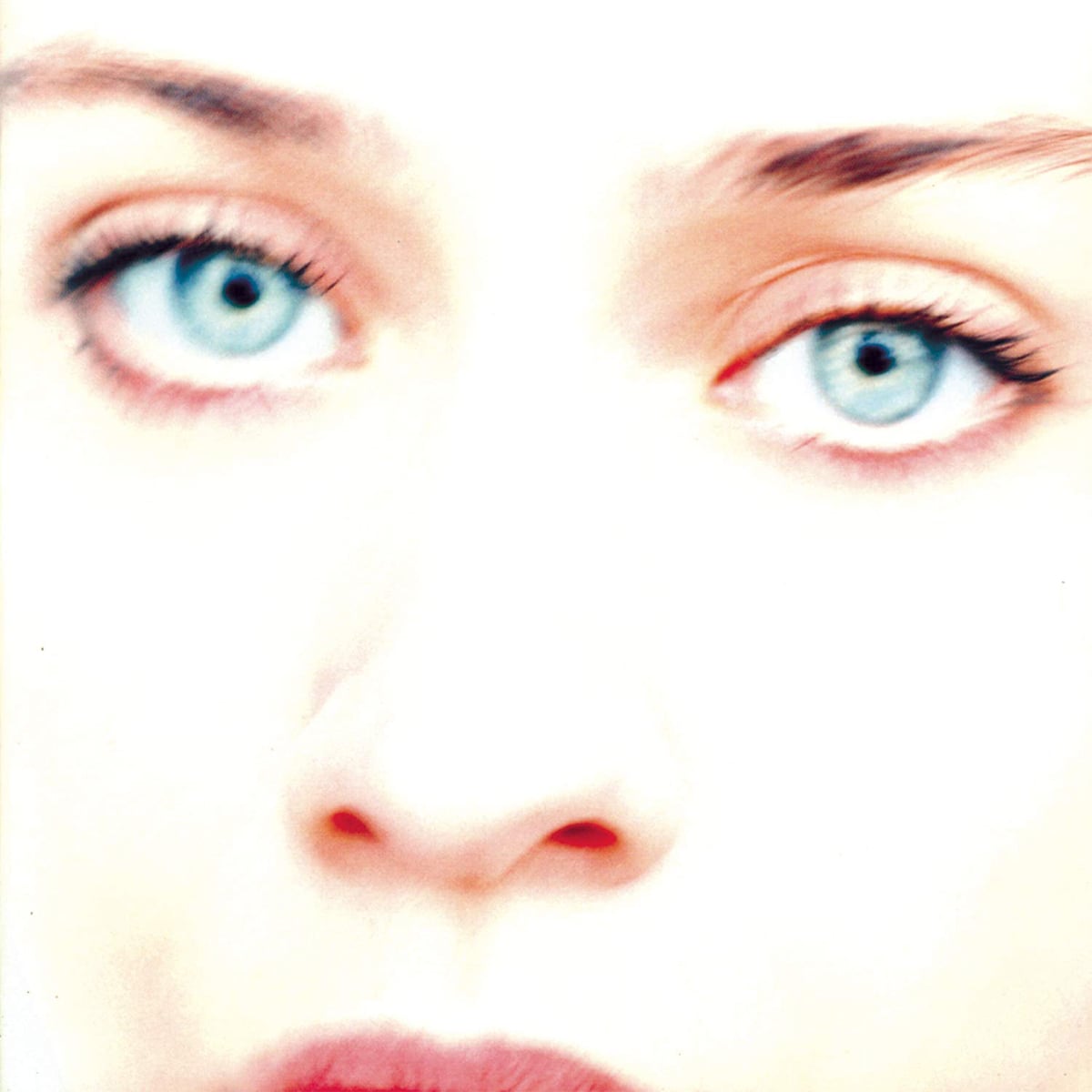
Holding the CD, I’m continually struck by the cover art: Apple’s face is in a close-up shot, centred on her blue eyes piercing through the lens, a vulnerable choice for a then-18-year-old’s debut album. It proves a distinct sense of self, both guarded and challenging, exhibiting an artist who knew exactly what she wanted to communicate and who she wanted to be perceived as, especially in the face of those doubting her.
The terms “teenage angst” and “girlhood” are frequently invoked together to discuss media that reckons with the feminine experience, and the 1990s’ pervasive misogyny meant that the young singer debuted into a world that did not quite know how to define her, rendering the space she occupied a solitary one. Naturally, this warranted the press to label her as “angry” and “temperamental”, but she was painfully mischaracterised, her baring her soul mistaken for overexposure. In truth, Apple possessed a soulful range and a pen that was scathing and beautiful at once, and insisted on being heard.
She defined her own path to flow through with evocative displays of rage, told in melodic vocals and near-whispers, to find beauty in turmoil. Writing diligently from childhood, she saw the practice as an outlet, telling The New York Times in 1997: “I didn’t think of it as a fun thing to do. I thought it was the only thing I could do”, and whether reassessing traumas, mourning a love, or seeking optimism in the face of pain, she wrote with a candour that defined women’s spectrum of emotions.
The resulting Tidal was a collection of songs unlike any other, possessing a brutal honesty that communicated rage without ever needing to scream. The record opens with the defiant ‘Sleep to Dream’, a song that pulses with anger in both its lyrics and its driving drum beat. “This mind, this body, and this voice cannot be stifled / By your deviant ways,” she declares in its chorus, “So don’t forget what I told you / Don’t come around, I got my own hell to raise”.
‘Shadowboxer’ sees Apple fighting a ghost of a lover, outsmarting their advances even when her judgment threatens to lapse, singing with an edge, “I’ll be sure to stay wary of you, love/ To save the pain of once my flame and twice my burn”.
Similarly, she likens her lover to a spider on ‘The First Taste’, insisting that she does not struggle in their web “because it was my aim to get caught”, reckoning with want versus need, though they all lead towards a deeper understanding of herself.
‘Slow Like Honey’, meanwhile, evokes a quieter melody but harnesses equal strength in its words, weighing the imbalance between her desire and her lover’s unexplainable draw: “Does that scare you?/ I’ll let you run away”. Then there’s the track written in just 45 minutes to appease her label’s request for a single, ‘Criminal’ rings with its infamous opening line, “I’ve been a bad, bad girl”.
Apple sets off a subversion of power that only she could outsmart, sending shockwaves through the media between its lyrics and its music video, which echoed the sentiment of her album cover, challenging in its refusal to waver its gaze.
‘Sullen Girl’ reckons with depression and trauma, and the confusion that overwhelms in the aftermath of her assault, which leads her to quitely singing over a piano, “They don’t know I used to sail the deep and tranquil sea / But he washed me ‘shore, and he took my pearl / And left an empty shell of me,” her voice faintly cracking on the final word. It is a heartbreaking listen, more difficult when imagining a young woman having to grapple with such emotions in her solitude, but it is in this loneliness that Apple finds solace, even if it is a temporary one.
Then we have ‘Never Is a Promise’, a ballad of being misunderstood, though partly wanting things to be so. For instance, when she declares, “You’ll never feel the heat of this soul / My fever burns me deeper than I’ve ever shown to you”, it is an unwavering declaration of her awareness of her emotional depth that dominates her every word and move. After enduring a life of being misheard and even ignored, she is reclaiming her story, a power she intends to keep.
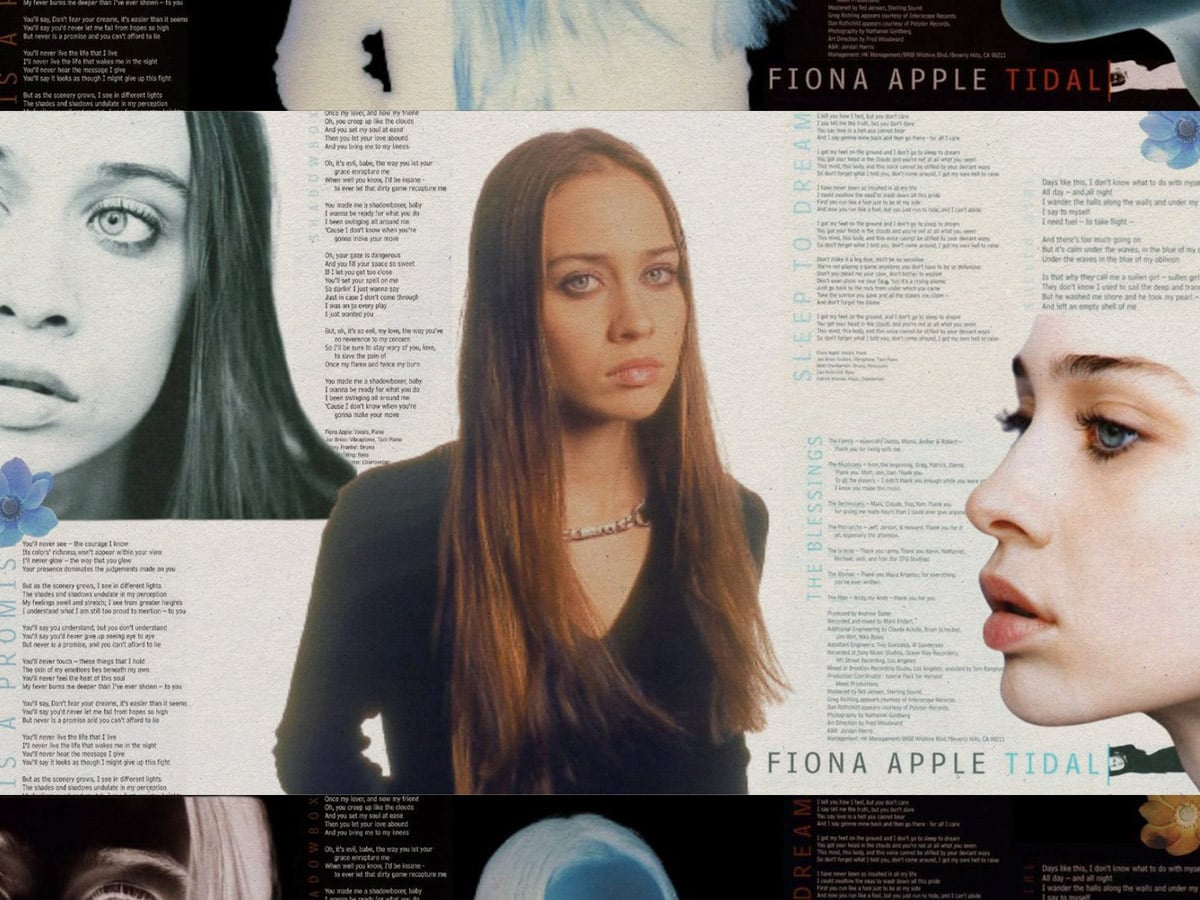
‘The Child Is Gone’ hears a similar complexity, which finds her asserting, “I’m a stranger to myself / But don’t reach for me, I’m too far away”, seeking a place for herself beyond the definition of her relationship and her hardships. In contrast, ‘Pale September’ is wistful and romantic, feelings that even Apple may not be fully accustomed to letting herself succumb to, with lines such as, “All my armour falling down in a pile at my feet”.
Tidal’s closer, ‘Carrion’, hears her vocals closest to a whisper, wherein it is slowly upbeat and danceable, though morbidly romantic in its chorus: “My feel for you, boy, is decaying in front of me / Like the carrion of a murdered prey”. Weighing whether to play the saviour or walk away, Apple struggles again with the two sides of her love’s coin, boldly highlighting his dilemma.
Apple’s debut remains a stunning display of emotion, oscillating across love, anguish, trauma and attempts at salvation, placing the range of a young woman’s experience at the forefront of the record’s lyricism. At once overt and open enough for others to hear her stories and place themselves within her world, Tidal is a marker of some of her most beautiful works, its continual resonance relying on shared experience.
