


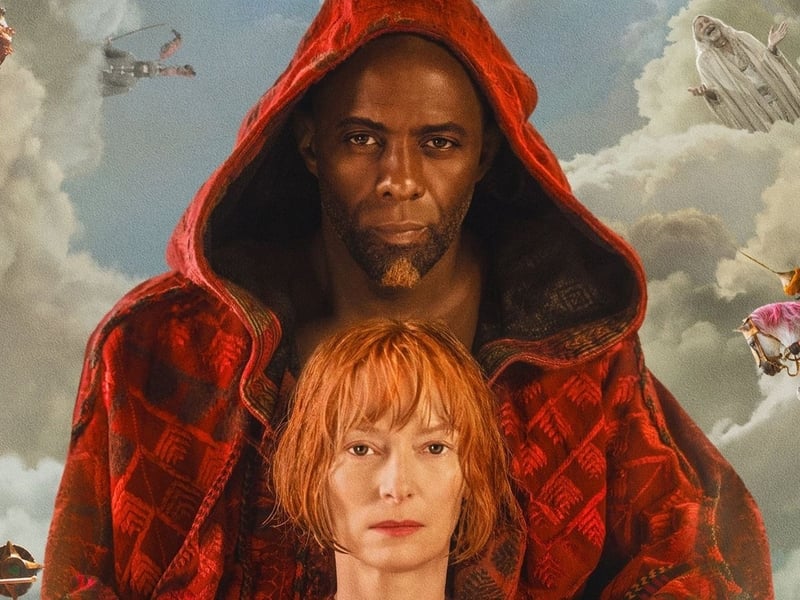
‘Three Thousand Years of Longing’ Review: George Miller’s wilting fantasy

Having been working away in the industry since the 1970s, it wasn’t until the release of the frenetic action masterpiece Mad Max: Fury Road in 2015 that the Australian filmmaker was considered a modern creative virtuoso. So electrifying was the Tom Hardy-led post-apocalyptic adventure that the forthcoming exploits of director George Miller began to be more seriously considered under critical examination.
Seven years after Mad Max’s explosive entrance into modern cinema, Three Thousand Years of Longing is Miller’s fantastical follow-up that he has made abundantly clear is something far different from his post-apocalyptic epic. Describing his film as “anti-Mad Max”, Miller’s movie tells the story of a lonely narratologist named Alithea (Tilda Swinton) who discovers a Djinn within an admittedly gorgeous blue bottle during a trip to Istanbul.
Taking the form of British actor Idris Elba, the Djinn does not have evil intentions, with the dulcet tones of the British actor helping to comfort Alithea whilst he asks her for three wishes. Well-read and knowledgeable about the pitfalls of such mythical beings, Alithea takes her time to decide on her three life-changing choices and partakes in storytime with the Djinn, who tells her about his previous encounters through history and time.
Presenting marvellous fantasy kingdoms that take their reality from modern myth, Miller crafts a tangible world of indulgence, where stylised CGI is used to bring impossible creatures and stunning architecture to life. Terrifically realised, the Djinn’s recollection of events holds a tight grip on the viewer, telling a fairytale for adults spiked with bloodshed, incest, war and sexual temptation.
Fresh, vibrant and packed with the very same mad-cap eccentricity of Mad Max: Fury Road, Miller’s core concept flows with ingenious creativity, with the modern-day story of Elba and Swinton fading into irrelevance. So, unsurprisingly in hindsight, when the film is brought to the modern day, and Swinton’s Alithea is asked for her three most coveted desires, the film feels like an echo of its former greatness.
Abruptly changing pace and narrative, as if you’ve been brought out of a delightful dream, Swinton and Elba do their utmost to bring as much magic and mysticism to modern-day London as possible. Still, co-writers Miller and Augusta Gore do not allow them the space and opportunity to flourish. Deflating like a once majestic bouncy castle, the thrill of the film’s first act provides more reason to resent the insipid conclusion.
Undeniably frustrating, the quality of the film switches on a dime with the arrival of the modern-day narrative as the characterisation of Swinton’s Alithea withers away with the apathy of the film itself. Dumping the detail and invigoration of the opening act, Miller rushes to wrap up a clunky love story that hopes to reflect the grandeur of the early fantasy sequences, only to pale in comparison dramatically.
Though fitted with the same batteries that powered Miller’s invigorating Fury Road, Three Thousand Years of Longing can’t use its electric concept as Miller fades under the pressure of successive glory.
