


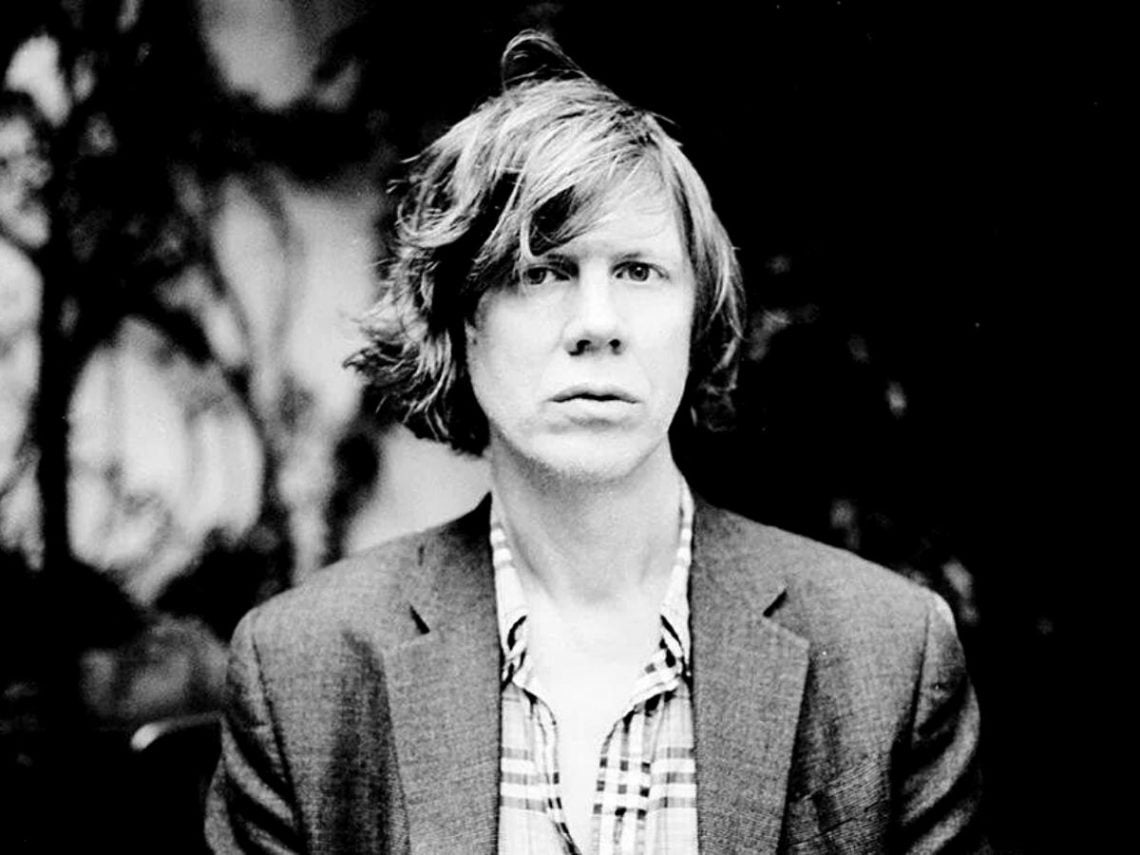
The three icons that inspired Thurston Moore’s sound

There aren’t many people who can rightfully call themselves pioneers of their instrument, but Thurston Moore is definitely one of them. By adopting alternative tunings, utilising atonal and dissonant motifs and experimenting with feedback and strumming techniques, the Sonic Youth guitarist helped reinvigorate guitar music by embracing its extremes. Here, Moore opens up about some of the most important influences on his era-defining sound.
Born in 1958, Moore grew up amid one of the most explorative moments of American popular music. Speaking to Fred Perry, he discussed the music that impacted him as a child growing up in Connecticut. “I was always attracted to music that was from the outer zones, ” he said. “It started in the ’60s with the records my older brother brought into the house like Jefferson Airplane, The Beatles, Black Sabbath, Moody Blues into my own choices which were weirdo sides by The Stooges, MC5, Velvet Underground, Captain Beefheart – all precursors to punk rock in 1976 when I turned 18 and my vocation became apparent by hearing and witnessing the Ramones, Richard Hell & The Voidoids, Suicide, Talking Heads et al.”
Ron Asheton’s guitar work for The Stooges looms large in Sonic Youth’s early albums. The heavily distorted, nihilistic guitar riffs that make tracks like ‘I Want To Be Your Dog’ so ferocious became an essential aspect of Youth’s 1990 record Goo, especially singles like ‘Kool Thing’ and ‘Mildred Pierce’. These days, Moore’s tones have softened somewhat. For example, in 2017’s ‘Smoke of Dreams’, his no-wave roots intermingle with the radio-friendly pulse of early ’70s road-ready rock. Around that time, Moore was asked to name three artists who continued to influence his music. He quickly responded with, “Billie Holiday for her dignity and earth/soul passion. Jimi Hendrix for his almost irreal guitar technique and freak scene vocals. Iggy Pop for his complete freedom of unified physical/intellectual expression.”
Moore’s brilliance lies in his ability to weave these influences into the fabric of his songcraft without ever submitting to them. Where other guitarists have paid tribute to Hendrix by adopting his licks, Moore has only ever adopted the spirit of Jimi, Iggy and Billie – all performers whose style was a product of an immovable worldview.
Moore’s status as one of alternative rock’s great songwriters is surely a direct result of this talent for plucking threads of musical DNA and weaving them into a new garment. If you want to find out more about Moore’s style, you can find a video of the guitarist discussing his use of alternative tunings with Fender below.
