


Paranoid Panic: the three goofiest Cold War movies

Among the most definitive periods of the 20th century, the shadow of the Cold War still looms large over any discussions we have about geopolitics or nuclear warfare. Marked by rising tensions and intensifying anxieties pertaining to political conflicts as well as propaganda wars between the US and the Soviet Union, its historical significance can hardly be overstated.
In addition to the countless reports from around the world about the proxy wars that were fought, as well as other chronicles of life from artists who lived through the Cold War, it’s a subject that has been explored by not just survivors but also scholars and historians. Unsurprisingly, one of the best mediums which captured that characteristic paranoia was cinema.
While it was definitely explored directly through unforgettable masterpieces such as Stanley Kubrick’s Dr. Strangelove, it was also touched upon indirectly in countless works like John Carpenter’s The Thing. Several spy thrillers and action flicks were churned out during that time, but it’s especially interesting to reflect on how comedians interpreted the event.
Dr. Strangelove often finds itself at the head of such discussions. However, we have decided to highlight a handful of movies that were downright goofy, undercutting the paranoid panic propagated by media machines with some genuine laughs and bizarre scenarios.
The three goofiest Cold War movies:
WarGames (John Badham, 1983)
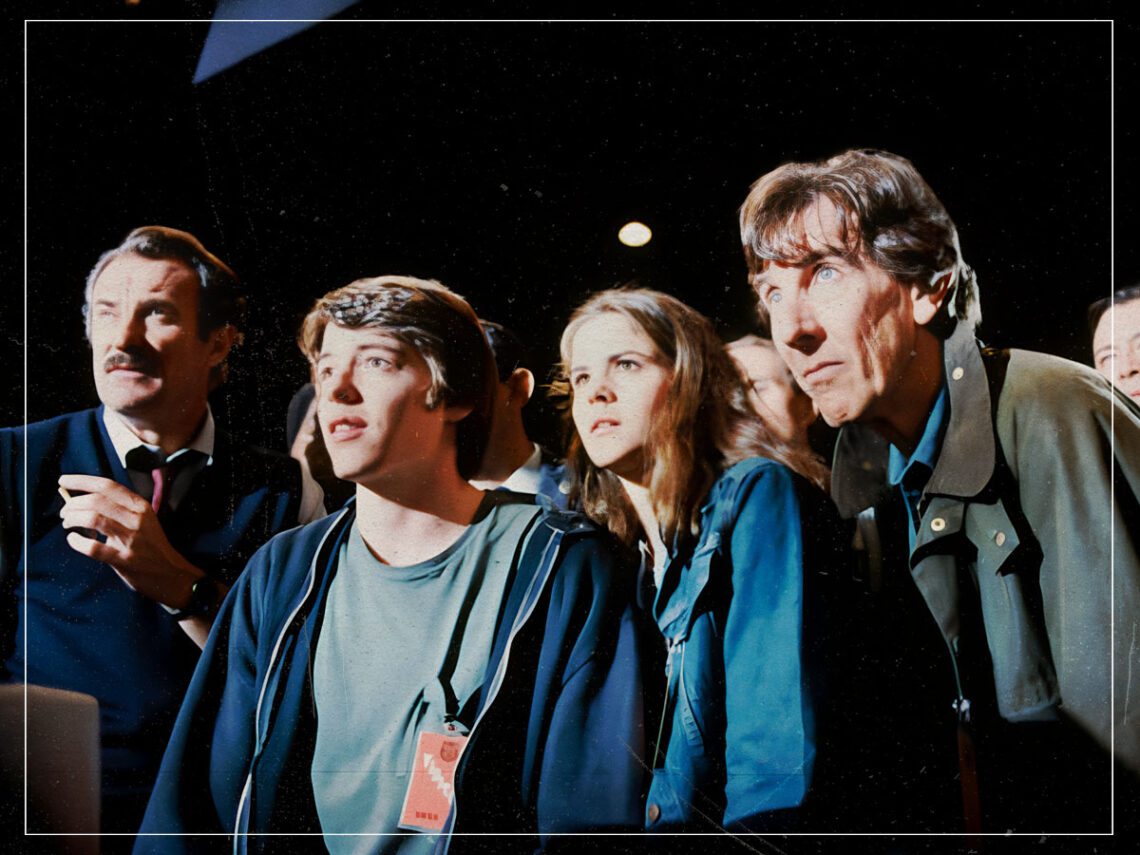
Any child who saw this when it came out definitely wanted to be Matthew Broderick, the cool nerdy slacker who finds school too boring but easily hacks into the Department of Defense with a dial-up internet connection. Not only getting the girl but also the attention of the country’s top military general, Broderick’s David Lightman is still a hero for the kids who grew up stuck to their computer screens.
Although its technical details might have seemed more serious in the 1980s, WarGames has aged surprisingly well despite its outdated technological speculations. New generations of audiences have embraced it for what it is: a really fun and outlandish flick that will keep you on the edge of your seat as Broderick somehow solves a nuclear missile crisis by playing a computer game.
Spies Like Us (John Landis, 1985)
A John Landis movie with Chevy Chase and Dan Aykroyd has already got comedy written all over it, but combine that with sociopolitical commentary about the Cold War, and you have something like Spies Like Us. Featuring the two stars as hilariously unqualified spies who are sent to the Soviet Union by the US government as decoys, hoping that the Russians don’t spot the real infiltration team.
The comedic value of Spies Like Us has only become apparent over the years, as we have returned to Landis’ 1985 critical failure with not only nostalgic lenses but also different expectations of what a Cold War comedy flick can contain. As such, Chase and Aykroyd’s bumbling journey to the heart of potential armageddon has found new fans everywhere.
TerrorVision (Ted Nicolaou, 1986)
Slightly different from the other entries on this list, Ted Nicolaou’s 1986 sci-fi comedy TerrorVision didn’t directly address the concerns brought up by the Cold War but focused on the inherent ironies that the war highlighted in American society. Equipped with a grandfather who sits in a fallout shelter with guns waiting for the war and parents who couldn’t care less about anything other than meeting other swingers, this is the stuff all great family dramas are made of.
Revolving around the absurd situation where an extraterrestrial entity manages to enter Earth through satellite TV, TerrorVision might seem like a straightforward monster flick at first, but it’s so much more. Looking at the sociopolitical context it emerged from, Nicolaou’s work had more to say about the Cold War than many of its “serious” contemporaries.
