


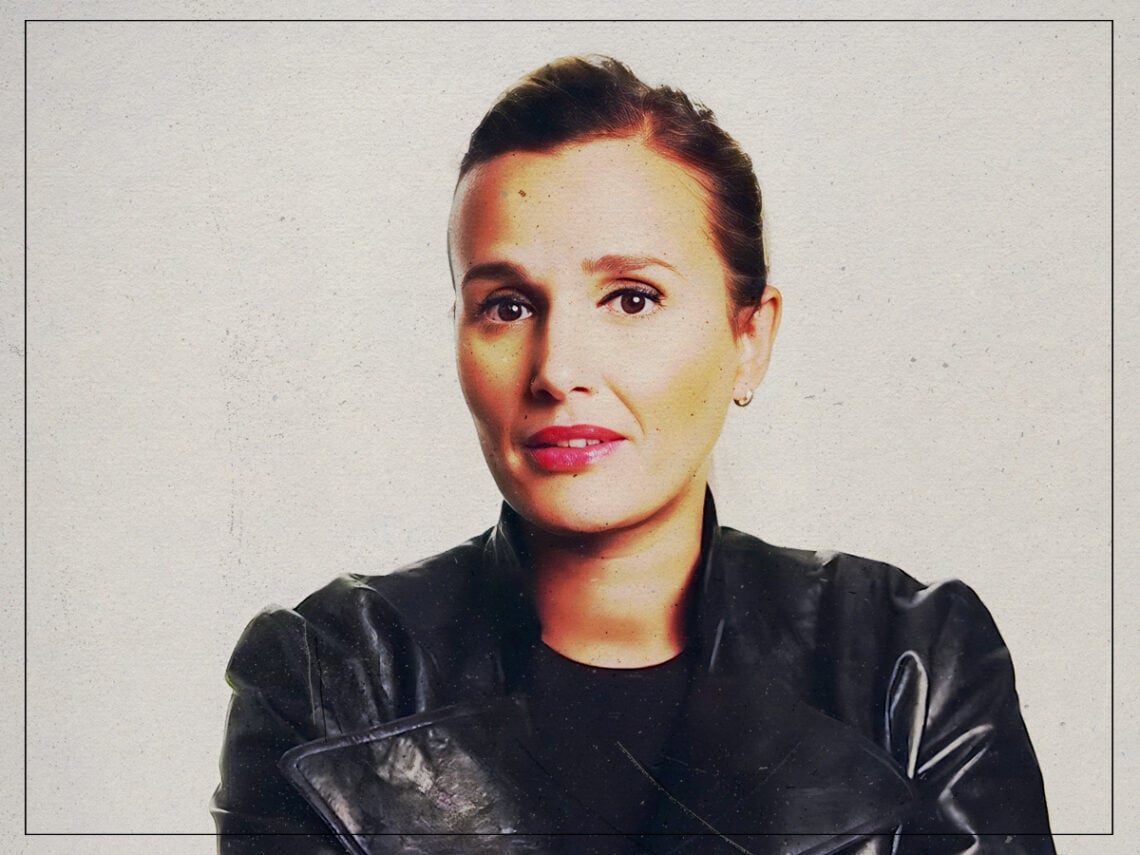
“A trinity in my life”: The three directors Julia Ducournau calls “my main filmmakers”

In the modern cinematic landscape that desperate needs more women directors (although she hates that classification) and their artistic voices, Julia Ducournau broke through in a truly spectacular fashion with Raw.
Prior to that, the French auteur had already garnered some attention for her 2011 short Junior, but it was Raw that took it to a completely new level. Deceptively staged as a coming-of-age film following a vegetarian freshman’s experiences at a vet school, Ducournau’s debut feature conducted a vital reimagining of the body horror genre.
As her body of work itself suggests, leaving aside the countless interviews where she has stressed her fascination for it, Ducournau is deeply interested in the concept of the ‘monstrous’ as a director. If we twist and bend the human form until it is vaguely familiar but not completely recognisable, will we be scared of ourselves or find other base emotions waiting to greet us?
It’s an obsession that she partially inherited from her favourite authors like Edgar Allan Poe and Mary Shelley, but she is also indebted to her cinematic predecessors and she’s not afraid to wear those influences on her sleeve. In a conversation with the San Francisco Foghorn, Ducournau narrowed down her primary sources of inspiration to three auteurs, even though she insisted that actively tried to retain her own voice on Raw.
Ducournau said, “When I write and direct I try to not watch the movies I really love in real life, I really try to not be tempted to reproduce anything, I’m kind of scared of that. I really never go back to my main influences when I’m doing the job […] I tried not to make references to any of my main filmmakers like [David] Cronenberg, and [Dario] Argento and David Lynch as a trinity in my life.”
While Suspiria’s maximalism is only present in some parts of Raw, Ducournau would eventually double down on that specific vein of artistic expression with her next feature, Titane. A Palme d’Or winner that somewhat polarised critics at the time of its release, that’s the film where the influences Ducournau talks about filter in and culminate in something absolutely magnificent.
She added, “But then a lot of people have told me, ‘I see some Dario Argento, I see some Suspiria and I think it’s so funny because Suspiria was really one of the biggest shocks in my life, and even though I didn’t think about it as I was directing it, when someone tells me this and I see my movie, I’m like ‘Yeah, I see it,’ but it’s subconscious.”
Ducournau recently added to her filmography that is explicitly body horror now with Alpha, another divisive work that split opinions at Cannes. However, if we know anything about how her works have been favourably reviewed retroactively, it feels like a safe bet to say that her latest is another example of a confident auteur knowing exactly what she wants to say with her craft and refusing to cater to the palates of the mainstream or the critical roundtable in order to achieve that.
