


The three career danger points Robert Redford vowed to avoid: “I put up a caution”

As far as career advice goes, Robert Redford isn’t a bad person to listen to. Given that the actor and director enjoyed a powerful, decades-long run as one of Hollywood’s favourites, surely his word is worth its weight in gold.
Redford had the sort of existence that people all over the world now dream about. From a mischievous kid who did not do well in school and got kicked out of college to moving to New York and holding on, he came to the big city, took evening courses at the American Academy of Dramatic Arts and vowed he’d get it done.
And he did. He started on Broadway with small roles that caught people’s attention. He built up his resume with as many walk-on and guest star roles as he could possibly bag in the realm of television. Then, in 1960, the movies called, as he was cast to reprise his first-ever Broadway role in Tall Story, bringing it all full circle and elevating him to the big time.
From then on, the growth was consistent. Each film had a bigger part and bigger co-stars, putting him on the same level as major stars like Jane Fonda, Charles Bronson, Natalie Wood and Marlon Brando. The late 1960s, when Barefoot in the Park’s script landed on his desk, again going back to one of his earlier Broadway roles, saw his star etched out.
However, Redford could have been even more famous if he had wanted to be. By the time he was old, it really made no difference, given that he’d successfully made himself a household name. But in the 1960s, he actually famously turned down roles which many other people on his level back then would have thought were absolutely insane.
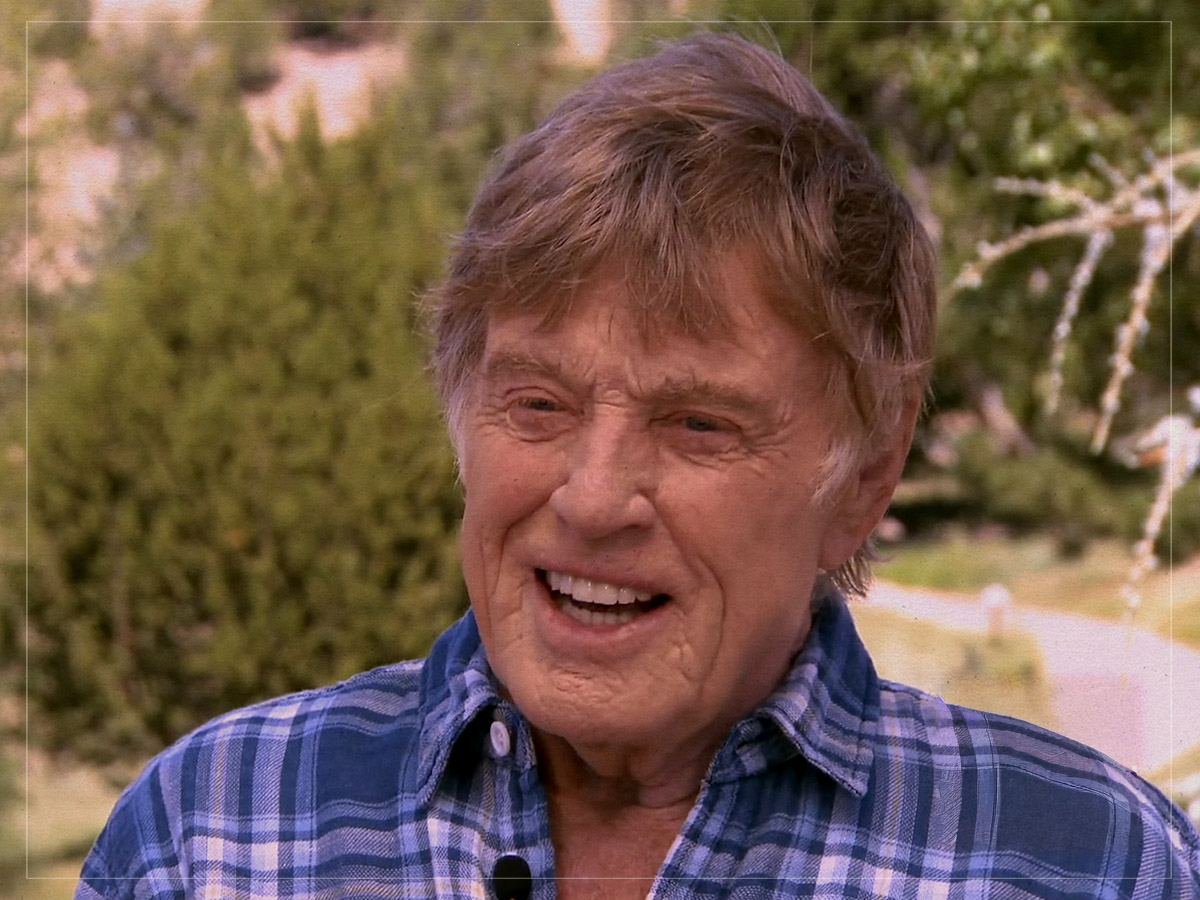
Specifically, he turned down The Graduate. They wanted him to play Benjamin Braddock, the lost postgrad who made Dustin Hoffman’s name. It undoubtedly would have levelled Redford up even more, but he was conscious of doing too much of the same and always playing simply the blond man with a touch of emotional depth.
This is where his golden rules come in. “Number one. In the beginning, you will be treated like an object. But they don’t know who you are. All they know is the image up there on the screen,” he wrote for himself. In the 1960s, when he was starting out, that image was just a handsome man – he wanted to make sure his career was more than that.
But it’s not enough to turn down roles and call it a day, which brings him to the next rule: “Number two. If you are not careful, you will begin to act like an object.”
This was a mental warning. Even as Hollywood made him a sex symbol, Redford did not forget to remind himself and others not to reduce him to that but to continue, continue to grow and continue to aspire to become more. It is for this reason that Butch Cassidy and the Sundance Kid was a turning point because he easily broke out of typecasting into something new by breaking into action and comedy at the same time.
Then we have the third rule. “The third, and final, and death stage. You become that object,” he said, more as an ominous warning than a rule. This was the thing to avoid. Redford knew that an object is pretty for a while, but is quickly tossed out when people get bored. With big plans for a long career, he wouldn’t let that happen.
Overwhelmingly, his advice would be to stay true to yourself – and he meant your real self. “When I became successful, I put up a caution. I didn’t think it was fair to have the shadow of that kind of success thrown on my family. And I was cautious about being taken by things that could destroy you,” he said, with his ultimate sage wisdom being to not get swept up in the glamour and illusion of it all.
