


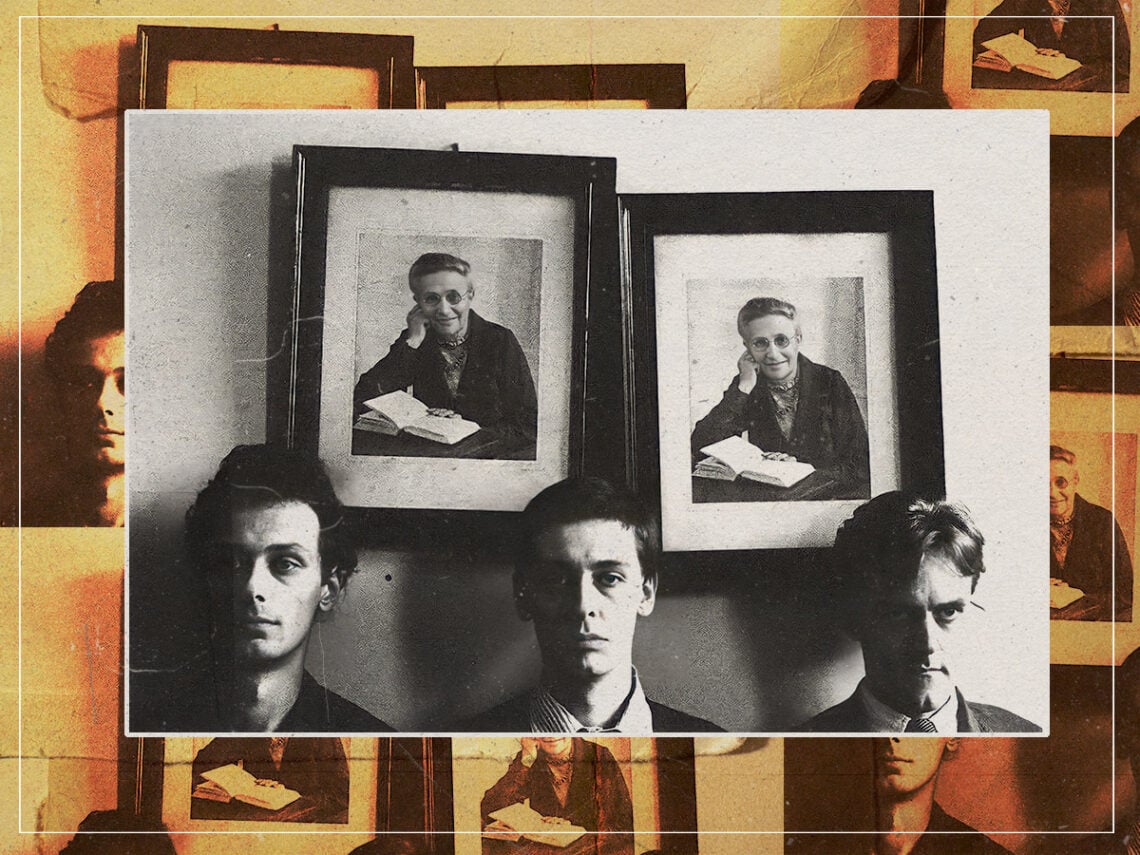
The Best Band You’ve Never Heard: This Heat, the most influential band of the 1970s?

The 1970s was a goldmine for new music, with countless developments taking place, such as the emergence of punk, post-punk, disco, heavy metal, glam rock, ambient and more. Thus, while many bands from the decade have been heralded for their mammoth impact on the progression of modern music, it is easy to see why some outfits slipped under the radar – there were just too many to keep up with.
One of the most criminally underrated groups from the ‘70s is This Heat, who formed from the rubble of a progressive rock outfit named Quiet Sun, which featured Charles Hayward and Roxy Music’s Phil Manzanera. The latter was eventually replaced by Charles Bullen. However, with Manzanera no longer in the band, Hayward and Bullen decided to form a considerably more experimental act – This Heat.
One of the fascinating things to know about This Heat is that their third member, Gareth Williams, was not even a musician. He was an artist and music obsessive with a massive collection of albums, although he soon proved to be very musically talented despite a lack of training. He was just what Hayward and Bullen thought they needed to round up their lineup, and within a few days of forming, they performed live for the first time.
The band were making music at the same time as the emerging British punk scene, yet they didn’t subscribe to the movement’s sound. Instead, This Heat embodied a punk spirit through their rejection of musical convention – even the conventions of punk music – to make songs that were incredibly unique and hypnotising. Additionally, they carried with them the punk penchant for politicism within their lyrics, centring their album Deceit around the threat of nuclear war and the annihilation of life as we know it.
Their music was recorded in a place they called Cold Storage, a once chilly storage room, as the name suggests, which they transformed into a studio. In this studio, they made their self-titled debut album, cased in a plain bright blue cover. However, the music found on the record was anything but simple. This Heat’s experimental nature defied categorisation, with tape loops and manipulation weaving between various standard rock instruments like guitars and drums, alongside classical instruments such as the clarinet.
This Heat opens with ‘Testcard (Blue)’, consisting of a simple, unadorned tape sound, instantly creating an atmosphere of tension that is soon broken with ferocity by the next track, ‘Horizontal Hold’. Using a krautrock sensibility, the song has elements of noise rock, avant-garde and industrialism. If you’re into noise rock or experimental rock but haven’t had the joy of hearing this track before, you will undoubtedly be blown away.
The rest of the album follows suit with mindbending forrays into genres that would only become more prominent in the coming years. This Heat were incredibly ahead of their time, leaving a lasting impact on many artists who would come to champion alternative scenes in the future, like Steve Albini and Sonic Youth’s Thurston Moore, as well as more recent bands like Preoccupations and Squid.
Deceit, released in 1981, would be their final album, with the members parting ways in 1982. The record was political and experimental, like the self-titled album, although the group used a slightly more conventional approach to song structure. Similarly incredible, the album reflects a period in British alternative music where nothing was off limits – people were revelling in the endless possibilities laid out in front of them as music rapidly progressed, simultaneously reacting to a politically and socially tense era.
The band reunited as This Is Not This Heat in 2016 for some live shows, although Williams sadly passed away in 2001 from cancer aged just 48. While This Heat never achieved commercial success, they are now remembered as a seminal act from the late ‘70s and early ‘80s, influencing many popular outfits with their endlessly creative and experimental approach to music.
