


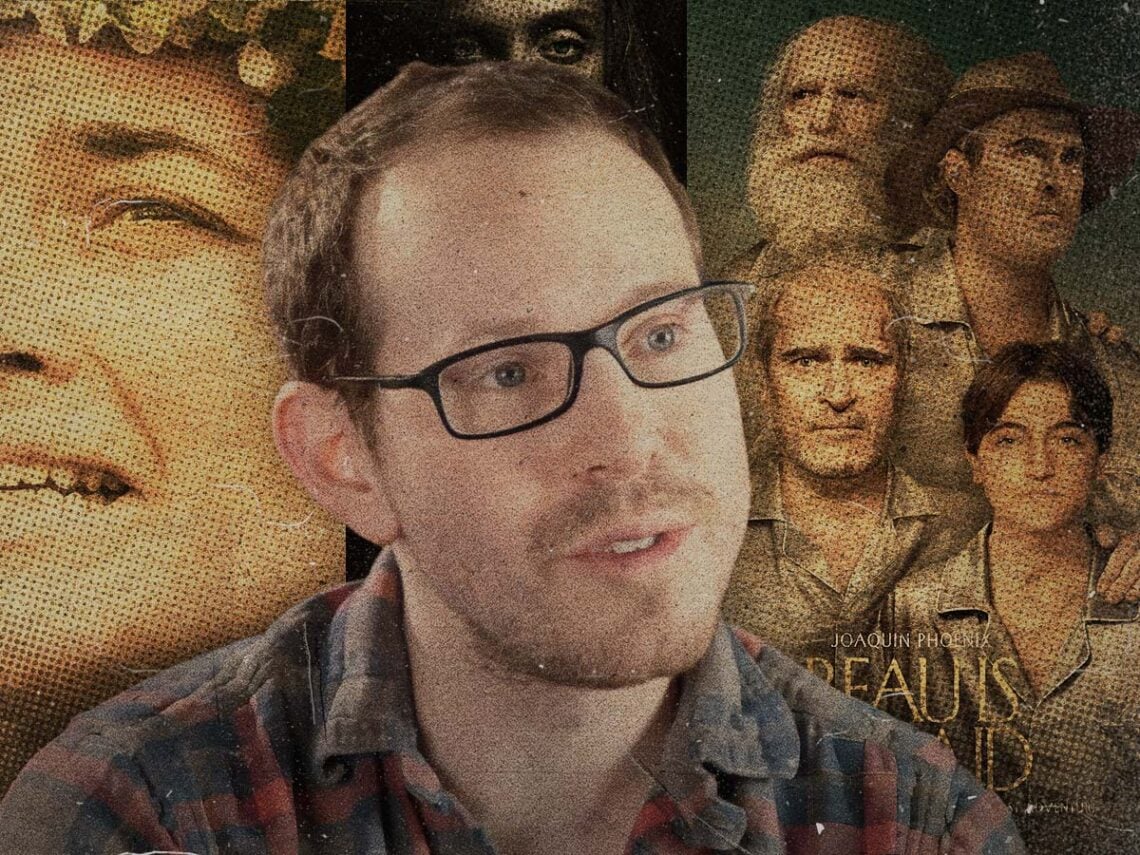
The worst movie genre, according to Ari Aster

Very few modern filmmakers have become associated with one specific genre quite like Ari Aster has. Between his strange short films, the horrifying Hereditary, and the literal cult film Midsommar, Aster has secured his place as one of the leading figures in the contemporary horror movement. Alongside the likes of Jordan Peele and Robert Eggers, he’s worked to update and elevate the genre for a modern audience.
In his feature filmography, Aster is yet to stray far from horror. His most recent offering, Beau Is Afraid, starring Joaquin Phoenix, is Aster at his most adventurous, bringing in elements of comedy. Still, the film is an adrenaline-fuelled, neurotic nightmare that is, quite literally, horrible to sit through.
With his staunch commitment to horror, it’s unsurprising that Aster has some strong opinions on genre within film. The director is particularly opinionated when it comes to biopics, which he believes is the worst cinematic genre. During an interview with Konbini in which he picks out DVDs in a Parisian video store, Aster spoke about Paul Schrader’s Mishima: A Life in Four Chapters, a 1985 biopic about Yukio Mishima, a Japanese author.
Amidst praising Mishima for its reinvention and rejection of the genre, Aster suggests that the biopic is the “worst of all genres”. His dislike for the genre seeps into his love of Schrader’s film, as he continues to suggest that Mishima is “one of the most playful biopics ever made” but that that film “alone” gives the genre a right to exist.
Nonetheless, he shares his love for several more biopics, including Topsy-Turvy and Mr. Turner. Aster continues to berate the biopic by sharing his love for films that sit within the genre but refuses to adhere to its conventions. He deems both Topsy-Turvy and Mr. Turner “remarkable” for their rejection of the tropes of the biopic.
He explains: “It’s how they consciously avoid them, in that there is no real, like, clear narrative structure. They’re not telling stories. They’re a succession of, you know, kind of perfect scenes whose main concern is to really investigate what it meant to live in that time, which I think is really the interest of a biopic.”
His praise for the films is continually based on their subversion of the biopic genre, stemming from his dislike for it. Aster concludes: “If you go to those films expecting a story, then you likely will be disappointed, but if you go and give yourself to them, then I think they’re among the most generous films about the art life ever made.”
Aster has frequently subverted and rejected the tropes of his own genre – Midsommar takes place almost entirely in broad daylight, a rare feat for a horror film. It’s understandable, then, that he looks for films that reject convention, particularly in a genre he shares his open dislike for. Whenever Aster does venture outside of the comforts of horror, it’s safe to say that it won’t be for the biopic.
