


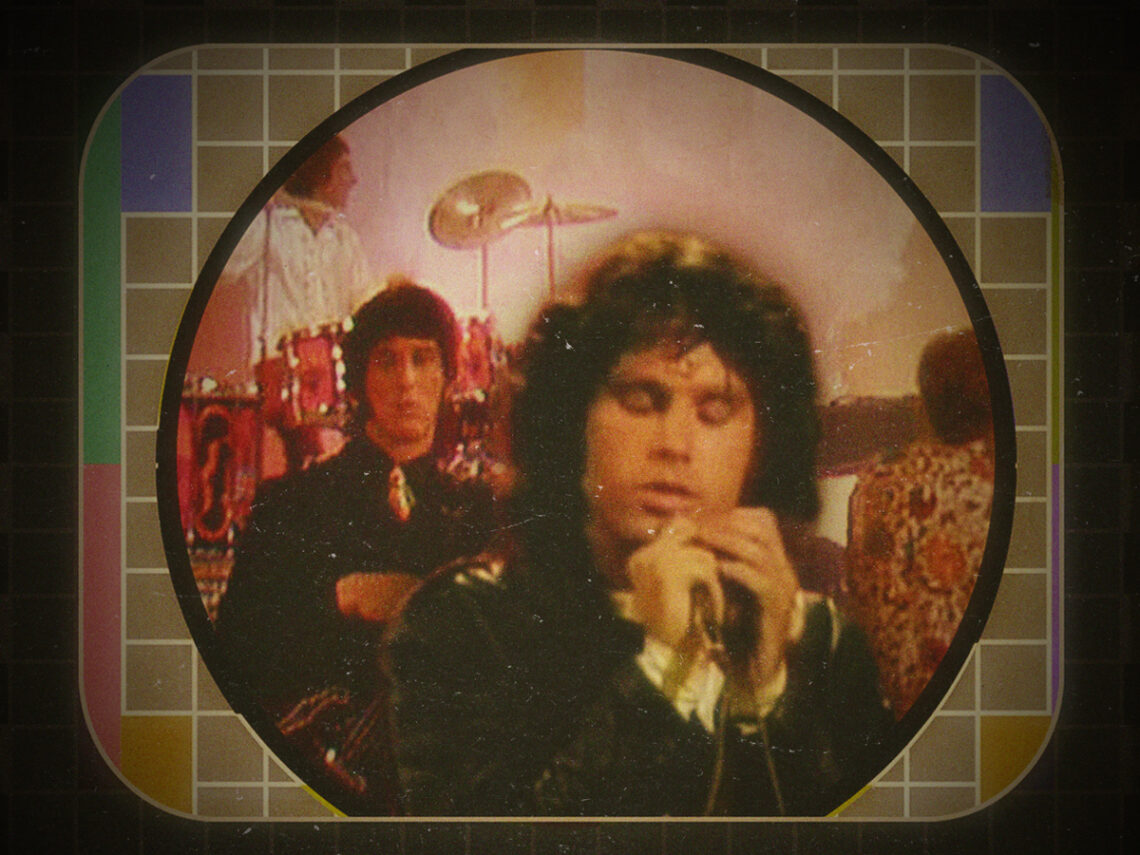
Sept 17th: The day rock rebellion arose as The Who blew up the Smothers Brothers and The Doors were banned from Sullivan

September 17th, 1967: The United States emerges from the ‘summer of love’ a changed nation, unable to ignore the growing cultural revolution among the nation’s youth, try as they might. Then, on national television, that revolution was beamed directly into the living rooms of middle America, courtesy of two titans of rock and roll rebellion.
From its earliest origins during the 1950s, rock and roll had existed in opposition to the mainstream establishment, but the emergence of the counterculture age took that divide between rock rebellion and mainstream culture to entirely new levels. Reflecting a growing discontent among America’s youth, and the advent of mind-expanding substances like LSD, rock suddenly became much more subversive, experimental, and politically-charged.
This new generation of musicians weren’t as interested in becoming teenage fucking idols or rich ass rockstars like Elvis Presley or Jerry Lee Lewis. Instead, they aimed to change the cultural landscape indefinitely, pioneering a plethora of new sounds and staunchly political messages during the age of the Vietnam War and the civil rights movement. Among the harbingers of that bold new era for rock music were The Doors, a band who never expected to be accepted by mainstream society.
By the time The Doors broke into the mainstream, from their acid-riddled hippie origins, frontman Jim Morrison had already amassed a reputation for his wild, unpredictable antics, spurred on by his colossal drug habit. Why, then, did anybody think it was a good idea to book Morrison onto live television is beyond comprehension? Nevertheless, The Doors were invited onto The Ed Sullivan Show in September 1967.
It is difficult to overstate the importance of The Ed Sullivan Show. It was the programme which introduced the US public to the likes of Elvis Presley, The Beatles, and The Supremes, among countless others. Still, it seemed as if they weren’t quite ready for The Doors. Performing their psychedelic masterpiece ‘Light My Fire’, the band had been asked to omit the word “higher” from the lyrics – presumably in the thought that nobody would notice that the song is clearly influenced by drugs if that word wasn’t included.

Inevitably, Morrison chose not to change his lyrics, and the band performed the song as they had always intended, complete with drug references galore. As a result, the harbingers of the hippie age were banned from the show, but not even the iron fist of Ed Sullivan could suppress the power of what had just happened. Whether he intended to or not, the hippie age had just been thrust firmly into the mainstream, and nothing exemplified the disparity between the old and new generation of music fans quite so succinctly.
Well, apart from the antics of another anarchic rock outfit the same day, on a different variety programme, The Smothers Brothers Comedy Hour. Eclipsing the taboo drug discussion of The Doors, British mod rock masters The Who took rock rebellion to new heights, setting off a huge explosion while on air.
Traditionally, The Who would always destroy their instruments at the end of their sets, reportedly as a means of preventing any encores, and part of that organised destruction usually involved drummer Keith Moon placing a small amount of explosive ‘cherry bombs’ in his bass drum. However, the endearingly anarchic drummer decided to triple his usual amount of explosives when appearing on the Smothers Brothers’ show, leading to an explosion so large that it caused a temporary break in the broadcast, permanently damaged Pete Townshend’s hearing, and fired a piece of shrapnel into Moon’s arm.
The fact that both The Who’s explosive set on The Smothers Brothers Comedy Hour took place on the exact same night as The Doors were booted off The Ed Sullivan Show could not have been written any better. It was the day that the new age of anarchic rock rebellion was cemented in the hearts and minds of the American public, outside of hippie strongholds like San Francisco.
A new generation had emerged, and there was nothing the FCC could do about it.
