


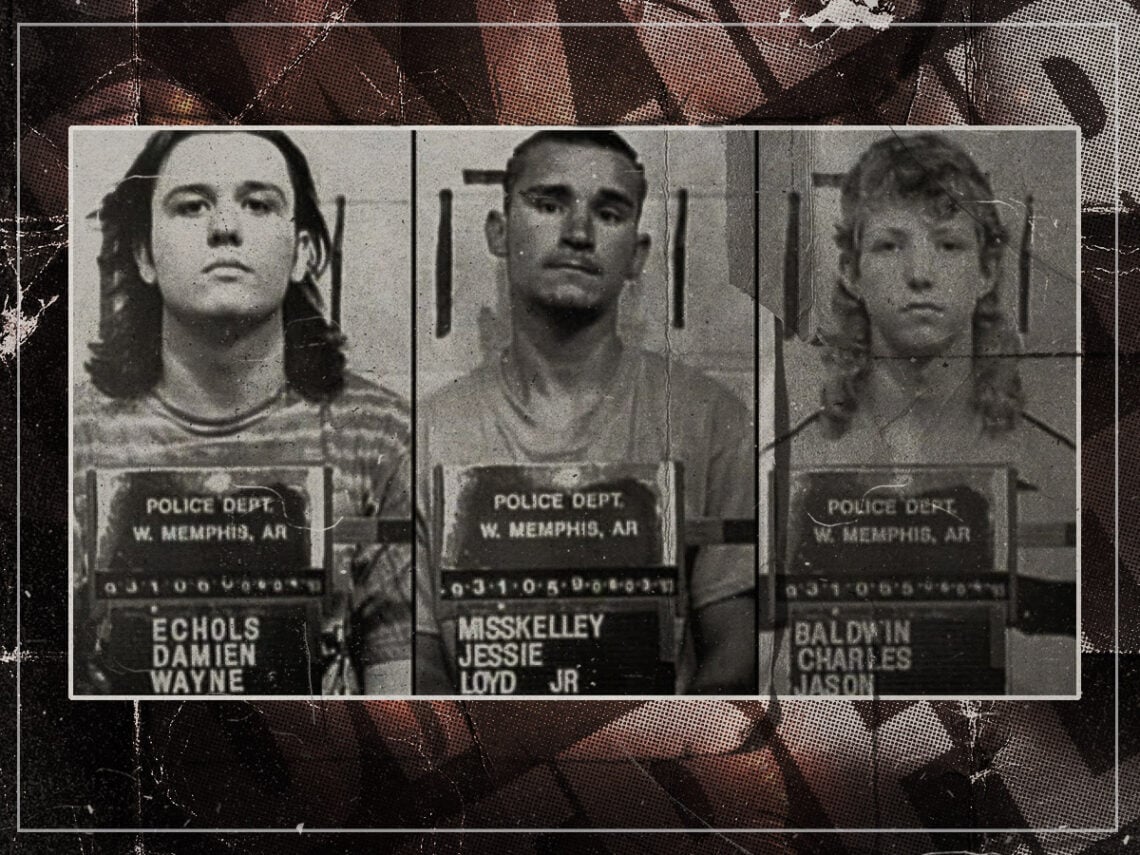
The West Memphis Three: The true victims of the Satanic panic?

The 1980s bore the brunt of rapid transformation. During this time, there was a surge in intense economic struggles, along with a rising sense of evangelic-fuelled paranoia within American culture that amplified their approach to attack secularisation. On top of this, parental absence increased, and censorship clashed with artistic expression. In this tumultuous landscape, heavy metal music rose as a leading purveyor of Satanic imagery and ideology.
During the era of the Satanic panic, the primary goal seemed to be undermining the prominence of metal music associated with the demonic. However, it’s since become a cautionary tale, highlighting the dangers of moral hysteria, media sensationalism, and the potential for false allegations to harm people and communities. Fuelling this panic were sensationalised news stories, television reports, and bestselling books that depicted Satanic cults conducting ritualistic abuse, sacrificing children, and engaging in occult practices.
Highly publicised cases, such as the McMartin preschool trial and the West Memphis Three, perpetuated the belief in a vast underground network of Satanic cults preying on society’s most vulnerable. The story of the West Memphis Three, in particular, stands as a haunting reminder not only of the absurdity of the Satanic panic but also of the complexities within the American justice system, where fear, prejudice, and rushed conclusions can lead to the wrongful conviction of three teenagers.
This saga was one which captivated the nation, unveiling deep-seated issues within the legal process and the devastating consequences of a flawed investigation. In 1993, the bodies of three young boys – Steve Branch, Michael Moore, and Christopher Byers – were discovered mutilated and murdered in West Memphis, Arkansas. The shock and horror of the crime stirred fear and frenzy in the community, sparking a desperate quest for justice.
Amid mounting public pressure to solve the brutal killings, local authorities hastily targeted three teenagers: Damien Echols, Jason Baldwin, and Jessie Misskelley Jr. Their unconventional interests, dark clothing, and perceived non-conformity made them easy targets in the conservative, small-town setting. Without substantial evidence but driven by fear and prejudice, the teens were swiftly arrested and charged.
The trial that followed was marked by flawed evidence, coerced confessions, and a lack of due process. The case hinged on Misskelley Jr’s confession, obtained under duress and inconsistent with the facts. Echols’ interest in alternative spirituality and misconstrued behaviour also painted him as a supposed “Satanic cult leader”. However, despite the absence of any actual physical evidence linking them to the crime scene, the three were found guilty.
The case gained national attention due to documentaries like Paradise Lost, which shed light on the trial’s shortcomings and the possibility of the defendant’s innocence. Years of legal battles ensued as new evidence emerged, pointing to potential alternate suspects and critical flaws in the initial investigation.
Then, In 2011, after spending over 18 years behind bars, the West Memphis Three reached a plea agreement known as the Alford plea, allowing them to maintain their innocence while acknowledging that sufficient evidence existed for a conviction. This bittersweet resolution secured their release, drawing attention to the failures of the justice system and highlighting the need for reforms to prevent such miscarriages of justice.
This story also demonstrated how the echoes of the Satanic panic of the previous decade left a lasting mark, seeping into the fabric of the system and resulting in disparities and unwarranted scrutiny of innocent individuals. While much of art and music is often viewed as entertaining or even humorous – like some of Ozzy Osbourne’s notorious escapades – the saga of the West Memphis Three stands as a stark testament to the perilous convergence of fiction and reality.
