


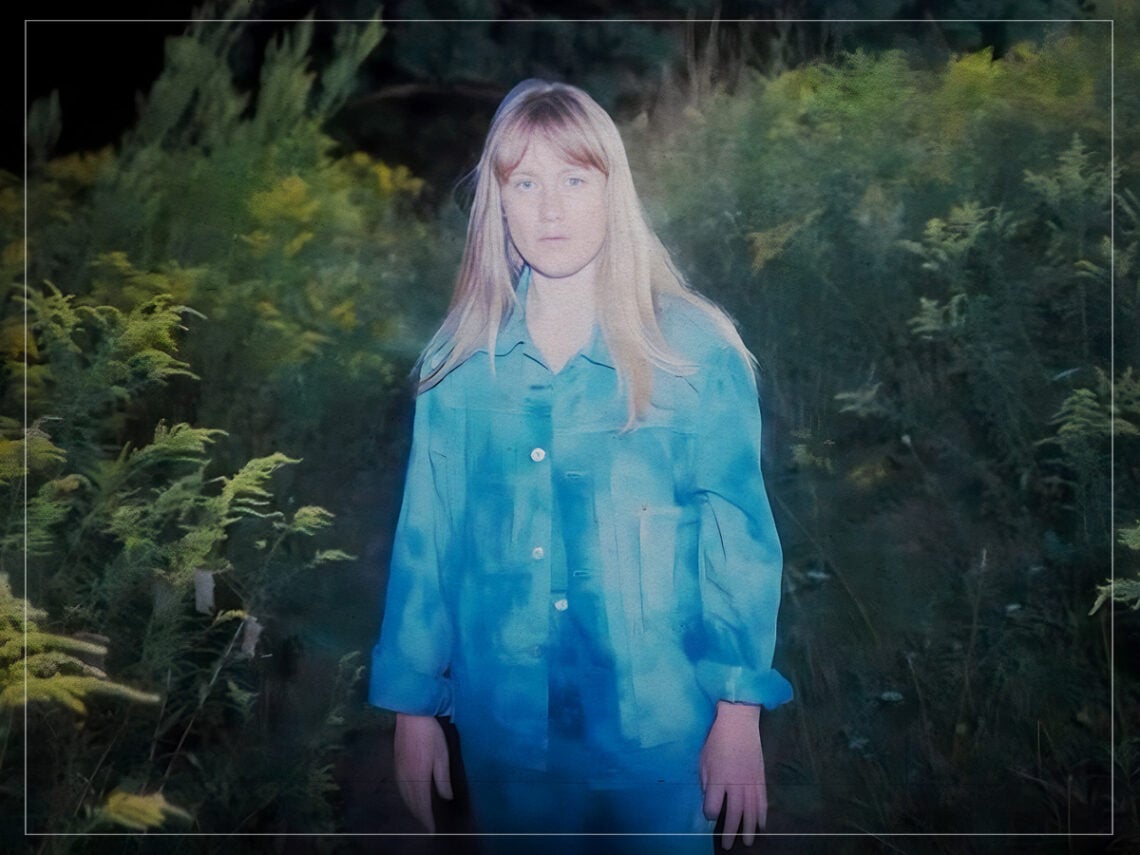
The Weather Station – ‘Humanhood’ album review: Do you like genres? We’ve got all of ’em

THE SKINNY: With every new album, we are constantly reminded of the loss of genre, and we do not mourn. Catalogues and labels in music take their last breath as the boundaries that artists surround themselves with grow smaller and smaller. The Weather Station steps over whatever remains as if they are nothing more than lowered curbs outside abandoned homes, as their new album, Humanhood, is a perplexing twist of styles that are as alluring as they are confusing.
It’s hard to understand where the starting point would be for songs by The Weather Station. The array of instruments and styles of music at their fingertips must make it hard to pick a starting block, and yet, despite the inevitable challenges that come with this versatility, the songs sound perfectly put together, cohesive, and tight in their execution.
Perhaps this album fails to adhere to rules so much because of how it was made. No blueprint, no structure, it is the by-product of six musicians improvising at Canterbury Music Company. Extracts from this improvisation were separated, and the songs were built around them. Starting point? The starting point is thin air and an artist’s intuition; any shape you do come across is an afterthought. The result is that the album sounds raw and has the tension of something coming into existence in real time.
While the album’s unpredictability is exciting, the styles can also contrast in unappealing ways. For instance, when rhythm starts to become chaotic, and jazz verges on the edge of experimental, to meet that style of music with lead singer Tamara Lindeman’s sweet-sounding vocals, it feels as though some themes established within songs are done a disservice. Or, at least, songs can’t reach their potential as the chaos becomes too grounded.
That only happens on a few songs, though. For the most part, this sporadic album is a fantastic record to listen to and champions the idea that confiding yourself into one specific genre is a waste of time. The Weather Station throw you into a thunderstorm of styles and sounds, and it’s a beautiful thing to be lost in.
For fans of: Music that subtly pushes boundaries but remains accessible. The easiest experimental album that you could listen to.
A concluding comment from The Genre Police: “Well, this absolutely will not do.”
Humanhood track by track
Release date: January 17th | Label: Fat Possum Records | Producer: Lindeman and Marcus Paquin
‘Descent’: An ambient minute-long introduction. Beautiful sounding but is only here to set the tone. [n/a]
‘Neon Signs’: The introduction leads us wonderfully into the opening words of the first single on the track, ‘Neon Signs’. It’s an upbeat number, with drums that feel as though they could fit neatly into a disco song; however, they are overridden with indie folk. It’s a strange balance which is happy and serene simultaneously. [3.5/5]
‘Mirror’: Folk meets R&B meets neo-soul, if you can imagine that? As the scattered piano and easy-to-sway rhythm takes hold in this song, I’m ready for someone to start rapping over it, but instead, it’s the low rumbling and emotive lyrics of singer Tamara Lindeman. The way that genres overlap and contort on ‘Mirror’ is a real triumph and something that, even within such a genrelessness music industry, I’ve never come across before. [4/5]
‘Window’: One of the more intense songs. While drums up to this point are straightforward and easy to dance to, in ‘Window’, we see more chaos. This is championed by the rhythm section, which ushers in solos and fills aplenty, but the whole song is a cultivated pulsation of sounds. It’s a good listen, and it’s nice that after the first three songs on the album, there is no stagnation. [3.5/5]
‘Passage’: Another filler song that takes us sweetly near the halfway point of the record. [n/a]
‘Body Moves’: A slightly more subdued song. More minimalism in the instrumentation means we hear the true range of Lindeman’s vocals, as small cracks and inflexions show how dynamic her voice can be. It’s a masterclass in subtlety. [4/5]
‘Ribbon’: Lone keys walk us into ‘Ribbon’, where Lindeman’s subtle vocals ease their way in once again. Nothing else is present for the first minute of the song, and yet you remain hooked, hanging on to every word. When the instrumentation grows, it’s almost as if the intimacy of just keys and vocals is mourned. [3/5]
‘Fleuve’: Ambience, spoken word and harmony? This album certainly is cinematic. [n/a]
‘Humanhood’: The most bizarre beat on the album so far, incredibly rhythmic with sporadic hits of saxophone. It hangs on the coattails of free jazz without fully committing to it. The lyrics remain in contrast with that sound, and while most other songs that contrast have been welcomed, the feeling that they hold this song that lingers on chaos back is inescapable. [2.5/5]
‘Irreversible Damage’: Subby bass and electric drums dominate this trippy number. There are no lyrics in the track; instead, a background conversation/monologue protrudes over some exciting instrumentation. This is the closest you will get to living inside of a song. [4/5]
‘Lonely’: Melancholic lyrics languish over descending notes. We are dragged down into sorrow and left to stew there, our only help handed to us through scattered drums and the occasional changing of a key. Lindeman’s voice perfectly suits this song, as its serene fragility is enough to melt the thorniest hearts. [4/5]
‘Aurora’: Our final hit of ambience. This has been fun. [n/a]
‘Sewing’: The album ends with one of the less experimental tracks on the album, but that feels perfect. The record is a ride, and this is where you get off. The Weather Station waves goodbye, and beautiful vocals and instrumentation fade to nothing as we make our way into the distance. Until next time… [3.5/5]

Never Miss A Beat
The Far Out New Music Newsletter
All the latest New Music from the independent voice of culture.
Straight to your inbox.