


The Verve: The best shoegaze band that nobody talks about

It’s hard to define the Verve’s sound. Following the release of the Urban Hymns in 1997, the Verve were pinned down as a Britpop band. After all, the band members are spread across the cover image adorned in typical Britpop-wear: the suede Clarks Wallabees, the fisherman hat, and the Adidas trainers.
The album went to number one on the UK album charts, becoming the best-selling record in the country of all time and earning widespread critical acclaim. However, it is unfair to term the Verve as a Britpop band merely. The truth is that the Verve had been an innovative psychedelic shoegaze outfit prior to Urban Hymn’s release.
The Verve were formed in 1990 by Richard Ashcroft, Nick McCabe, Simon Jones and Peter Salisbury. Much of the early Verve material came from long improvised, weed-induced jam sessions. The early 1990s saw a wave of buzz surrounding the band owed to McCabe’s beautiful sonic textures and Ashcroft’s flamboyant, bordering on androgynous, live performances as a vocalist.
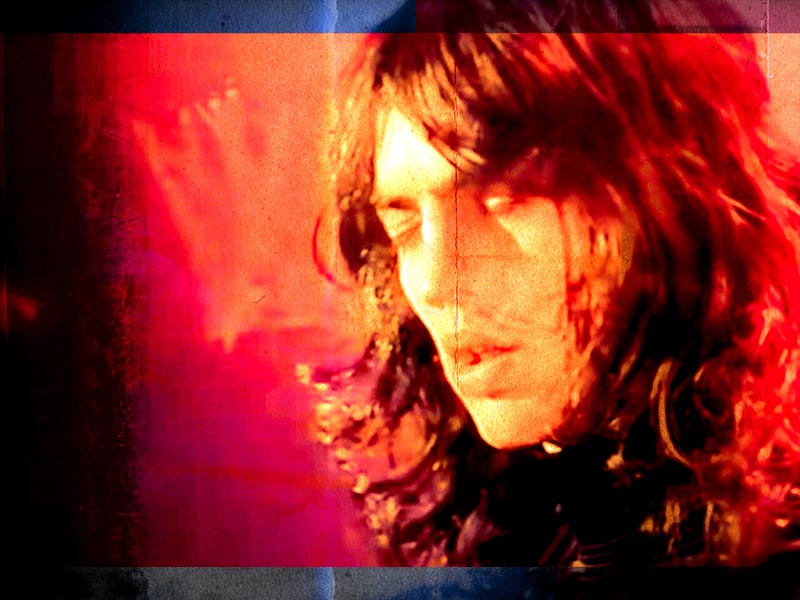
For Ashcroft in the early 1990s was a far cry from the loutish lad walking down the street in the ‘Bitter Sweet Symphony’ music video. He had luscious long hair, wore crop tops over his slender frame and walked around on stage barefoot, dancing and toying with the crowd. The reputation that the Verve earned later in the decade was far removed from their origins.
So too, was the sound of the music. When the Verve EP dropped in 1992, McCabe’s effortless and technical guitar work came to the fore, and Ashcroft’s vocals shifted splendidly between octaves. In many ways, the EP and the band’s debut album, A Storm in Heaven, solidified the basis for the growing sound of British shoegaze that had begun to make waves overseas in the United States.
The Verve then took to the States to tour their first album. However, the tour itself was one of many complications, with Ashcroft being hospitalised after drinking himself into dehydration and Salisbury being detained for destroying a hotel room when out of his mind on drugs. Ashcroft would later claim: “At the start, it was an adventure, but America nearly killed us”.
When the band started work on their second studio album, A Northern Soul, their sound had begun to change slightly, and shades of what was to come on Urban Hymns crept into the fray. McCabe’s guitar work was still the centrepiece and strayed from the conventional blues-based riffs that the Verve’s contemporaries Oasis had been employing on Definitely Maybe and What’s the Story? (Morning Glory).
The Verve would split just three months after A Northern Soul was released. Ashcroft said, “I knew that I had to do it earlier on, but I just wouldn’t face it. Once you’re not happy in anything, there’s no point living in it, is there? But my addiction to playing and writing and being in this band was so great that I wouldn’t do anything about it. It felt awful because it could have been the greatest time of our lives, with “History” doing well, but I still think I can look myself in the mirror in 30 years’ time and say, ‘Yeah man, you did the right thing’. The others had been through the same thing. It was a mixture of sadness and regret, and relief that we would have some time away”.
Eventually, the band would get back together to record Urban Hymns, though Ashcroft had reportedly written the album intended to be his first solo release. The album would go on to cement the band in British rock history, and they became a household name.
However, it’s strange, especially concerning the shoegaze and British psychedelic rock revival in the 2010s, that so many music lovers constantly referred to Slowdive, Ride and My Bloody Valentine. Still, no one seemingly brought up the Verve’s early work, even though it was some of the genre’s finest examples. So, is it odd to refer to just a big band as one “that no one talks about”?
Perhaps the Verve’s success with Urban Hymns would permanently solidify their status as a Britpop band, though perhaps with a darker, more melancholy edge. Yet, the Verve EP and A Storm in Heaven deserve to be mentioned alongside some of the outstanding shoegaze records of the 1990s.
The Verve remain a household name in British rock, and rightly so. With Urban Hymns, Ashcroft, McCabe and co. would release one of the most universally acclaimed albums of the 1990s. However, its success perhaps meant that their former work slid under the radar from there. If you haven’t managed to check out the Verve’s early work and are a fan of alternative rock and shoegaze, then you owe it to yourself to check it out.
