


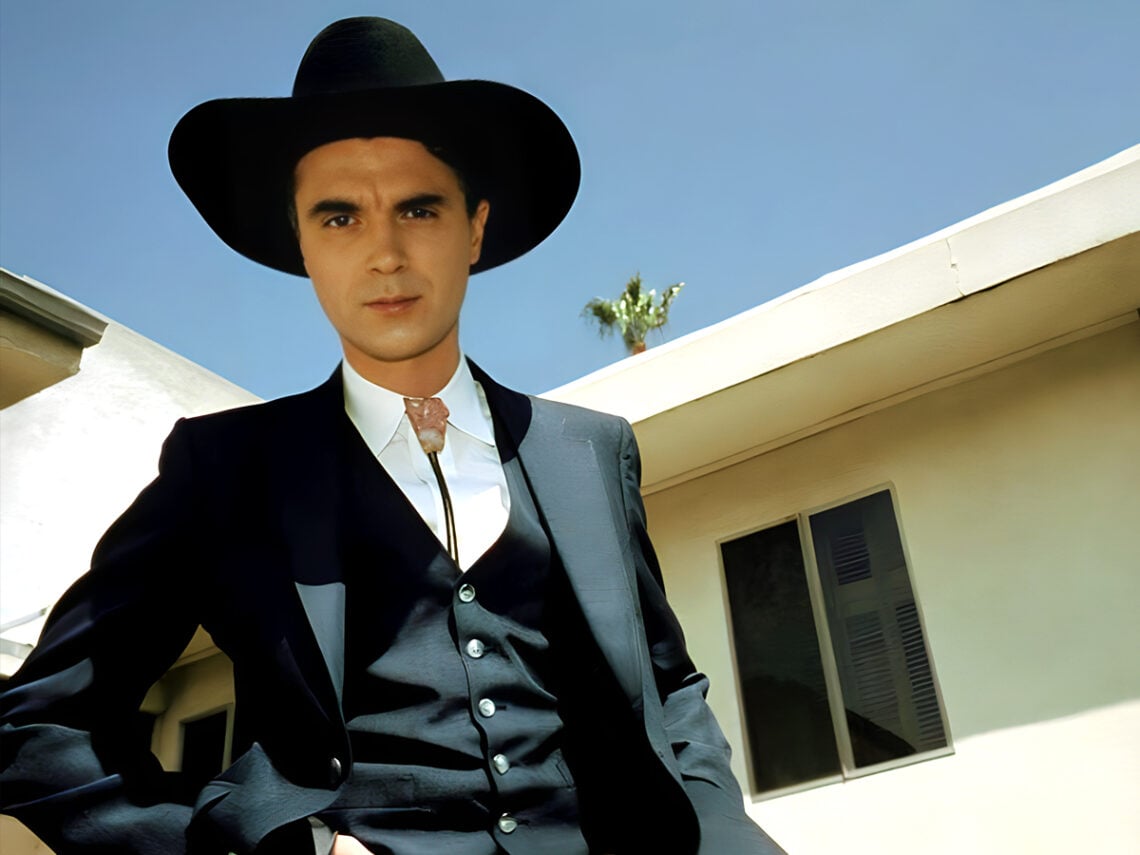
The venue David Byrne said matched CBGB: “People would eat, drink, talk, and socialise”

The mistake that a lot of people make is thinking that only musicians contribute towards the music industry, but there is so much more to it; just ask David Byrne.
This isn’t me saying that musicians aren’t important, that would be ridiculous, as the great music put out by a range of different artists has led to various styles developing and genres evolving for decades, and while it’s a real treat to bear witness to, it isn’t the only factor which contributes towards the overall development of the music industry.
You also have the different means by which music is made, recorded, and marketed, all of which contribute towards how things change. The Beatles taking over America wasn’t just significant because their style of music was suddenly popular, but also because it provided a blueprint that other British bands could follow if they also wanted to make it in the States, such that you wouldn’t have had the likes of The Rolling Stones or Dave Clark Five if not for these new promotional tactics.
Additionally, specific venues contribute towards the creation of good music as well. No one really goes into making music with a completely original idea; they go into music wanting to be like one of their heroes, and it’s not until they actually get in front of crowds and see what works and what doesn’t that they truly begin to understand what their specific sound is. Without small venues that are willing to give unknown acts their first gigs, we wouldn’t have the glorious array of musicians that we have today.
Everyone who loves music, whether it’s just a fan or someone who went on to make it themselves, has a memory about the first time they stepped inside their local small venue and how that experience shaped the rest of their lives, which is something that all of us music lovers have in common and is weirdly connective in that sense.
Of course, our favourite venue is probably our local one: Kingsley Hall from Benefits once spoke about how much watching shows in his local pub meant to him, saying, “Touring bands never really stopped in Stockton when I was growing up, so I used to watch local acts in the back room of the Sun Inn pub every Friday night, and to me, despite not being anywhere near old enough to drink, it was the greatest thing in the world”.
Adding, “They’d put a curtain over the dartboard and set up on the floor with a vocal PA at the end of the room. The DNA Cowboys, Spooky Octopus, Spit The Pips, all massively special bands to me.”
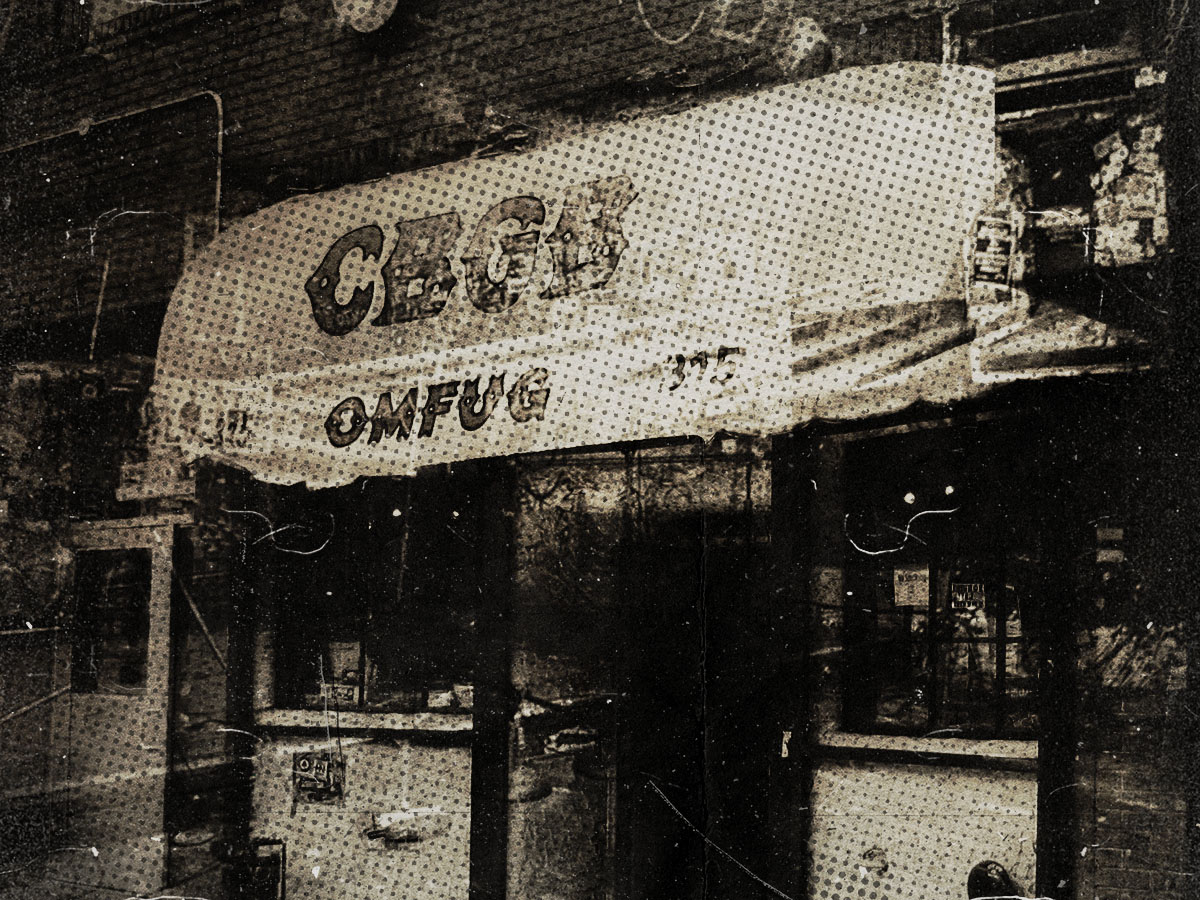
Stories like this are incredibly wholesome, but there is no escaping the fact that there are some small venues out there which are more famous than others, and one of the most notorious is CBGB in New York, a punk venue that was home to the likes of Patti Smith and Television for a significant amount of time. These iconic artists used the space as somewhere to really perfect their skills, and despite closing down in 2006, the venue is still considered one of a kind…or is it?
David Byrne was no stranger to the New York music scene, and when studying different venues, sounds and bands, he came across a musical space from the 1700s that he compared to ‘The Big Apple’ venue. It wasn’t necessarily the music that was played (punk wasn’t really a thing back then), but the way the venue was laid out and the attitude of the crowd, which he thought was comparable, and you have to admit, when you hear him speak about the 1700s venue, they do sound somewhat similar.
“La Scala was built in 1776; the original orchestra section comprised a series of booths or stalls, rather than the rows of seats that exist now. People would eat, drink, talk, and socialise during the performances; audience behaviour, a big part of music’s context, was very different back then,” he recalled, describing further how the crowd would mill about.
He added, “Back in the day, people would socialise and holler out to one another during the performances. They’d holler at the stage, too, for encores of the popular arias. If they liked a tune, they wanted to hear it again, now! The vibe was more like CBGB than your typical contemporary opera house.”
