


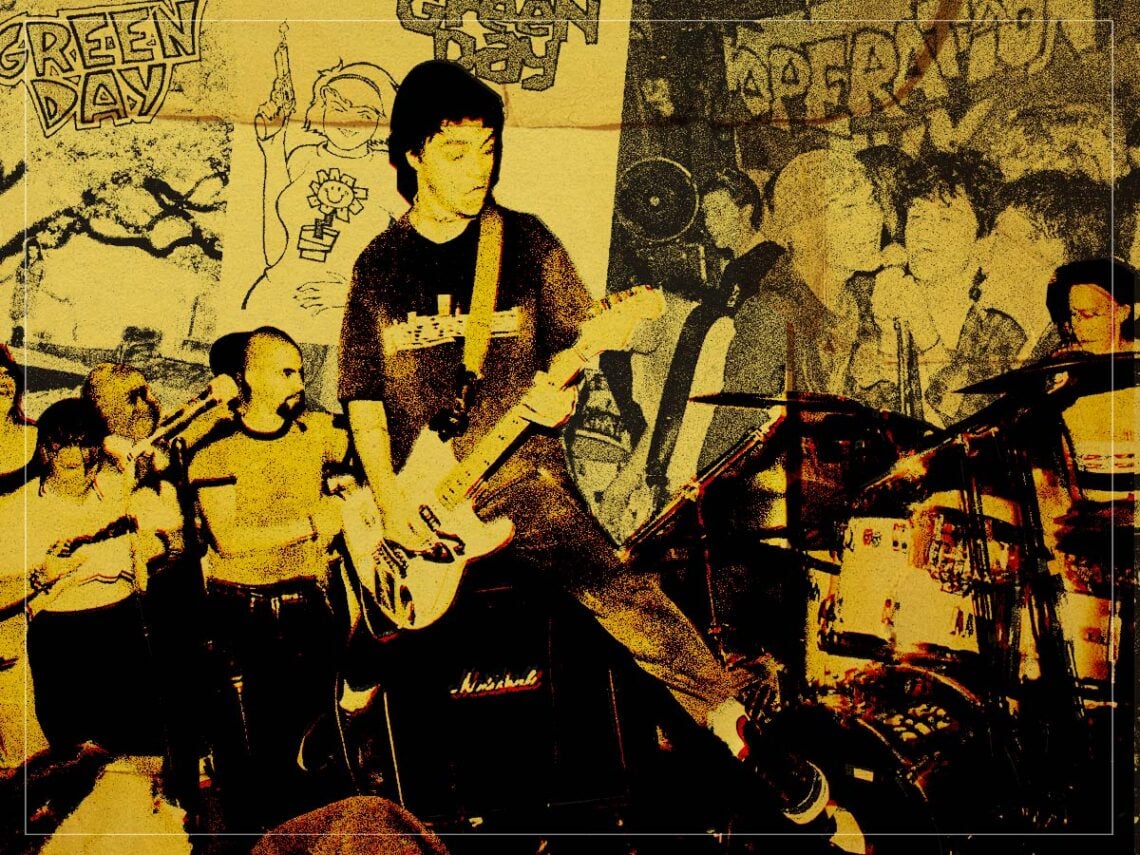
924 Gilman St: The CBGBs of the West Coast

In the final weeks of 1994, as Green Day’s major label debut Dookie was landing on more kids’ Christmas wish lists than ‘Tickle Me Elmo’, there was a bit of a philosophical crisis underway in the band’s old stomping grounds of Berkeley, California.
For years, the thriving punk scene centred around the club at 924 Gilman Street, known by the locals as merely “Gilman”, operated by a single, strict rule: underground only. No bands signed to a major label would ever be booked at the club, and no musicians or fans who were “members” of the club could speak about it to the mainstream media.
The secretive, insider nature of the scene, the epitome of the anti-sellout value system of the 1990s, also primed it, ironically, to become the epicentre of America’s latest punk revival; a new CBGBs for the West Coast.
Along with Green Day, many of the other bands who would define the sound of ‘90s punk cut their teeth at Gilman, including Operation Ivy, Samiam, The Offspring, AFI, Jawbreaker, Screeching Weasel, and Rancid. The relationship between the legendary venue and its most popular acts, however, was always tenuous and susceptible to major implications if any band chose to break with the ethos and seek their fortune above ground. Should they make that decision, they would effectively surrender their punk cards and be forever shunned as “rock stars”.
“‘Rock star’ was like a bad word,” Green Day frontman Billie Joe Armstrong told the Los Angeles Times in 2024, looking back on the blowback from signing with the major label Reprise in 1993. “That really hurt my feelings. It was like suddenly we were different.”
When asked if the guys in Green Day also ‘felt’ different, bassist Mike Dirnt chimed in to say, with a smirk, “I had the same bumper sticker on my Ferrari that I had on my other car.”
And therein lies the ongoing argument in favour of the spirit of Gilman; the idea that money, whether deservedly earned or not, is a corrupting force on art and music, and never the twain shall meet. Over time, though, the idea of policing this idea has proven highly subjective and occasionally ridiculous.
Back in 1994, Rancid were being courted by numerous major labels in the wake of Green Day’s success. “We met Madonna at Roseland in New York,” frontman Tim Armstrong (no relation to Billie Joe) told the Oakland Tribune that year. “Then a couple of days later, she sent us a nude Polaroid with a note attached that said, ‘Please sign with [her label] Maverick Records.’ It boggles my mind, you know, when you think about these things.”
Rancid ultimately opted to stay on the respected indie label Epitaph, keeping their street cred, but it was a decision made a lot easier by the understanding that they were going to sell a lot of records anyway, the punk scene was exploding, and there was less need to hitch one’s wagon to a big label.
Meanwhile, the supposedly “pure” code of ethics of the Gilman scene was causing some unanticipated problems, as well, as some members of the club were so strongly attached to the ideology of the venue and the closely aligned NoCal punk fanzine Maximumrocknroll that they would respond to supposed sellouts with threats and violence. Former Dead Kennedys frontman Jello Biafra was the most famous victim of one of these campaigns, as he was physically attacked during a Gilman show in 1994, during the height of sellout mania, suffering a broken leg as “fans” beat him and chanted “rich rock star!”
Things have chilled out a bit over the ensuing three decades, as Gilman’s legendary status has made it a place of pilgrimage with a slightly more welcoming worldview, with members holding the power to invite mainstream performers back for special occasions. Even Green Day have returned to the stage where they first made a name for themselves, burying the hatchet a bit, perhaps, between the punks and the rock stars.

Never Miss A Beat
The Far Out Punk Newsletter
All the latest Punk content from the independent voice of culture.
Straight to your inbox.