


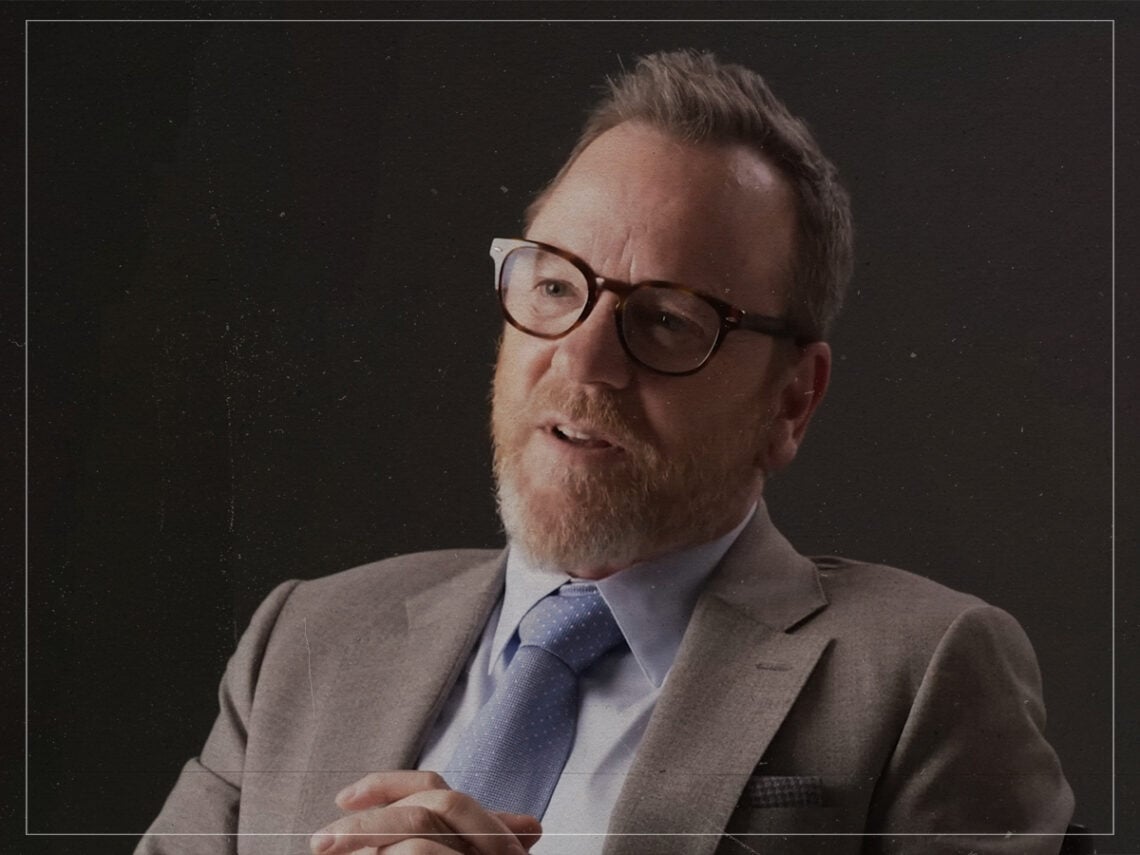
The unsung 1998 movie Kiefer Sutherland called the “highest art form of filmmaking”

Kiefer Sutherland earned one of his greatest roles when he least expected it.
Although it is easy to lump all of Hollywood’s ‘nepo babies’ into a singular group, the truth is that they have experiences, struggles, and routes to stardom that are unique. While most nepo babies have a significant amount of privilege and advantages when their careers begin, those opportunities can often dry up if they don’t prove themselves quickly.
Kiefer Sutherland, son of the late great Donald Sutherland, is one of the greatest actors of the ‘70s, but he worked throughout the ‘80s to distinguish himself as a compelling performer in his own right. Although he was occasionally associated with ‘the Brat Pack’ because of his work on films like Young Guns and The Three Musketeers, he showed that he was interested in more transgressive and experimental material, such as The Lost Boys and the remake of The Vanishing.
Unfortunately, a combination of professional setbacks, personal issues, and a much-discussed media event of being dumped by Julia Roberts ensured that Sutherland was no longer an A-lister by the time that the ‘90s were over.
Sutherland was beginning to think it was time to throw in the towel when he was approached by Alex Proyas, the Australian director behind the cult classic superhero film The Crow, who was working on a new science fiction project called Dark City, which he wanted Sutherland to be in, and the actor said it was one of the most rewarding opportunities of his career.
“I think I scared him a little bit, but he took a chance with me because of my enthusiasm,” Sutherland told Collider. “I was really grateful because I’m very proud of, really, a lot of the work I’ve been given the opportunity to do, but Dark City will always hold a special place in my heart because I believe that, creatively, it approaches what I consider to be cinema, which is the highest art form of filmmaking, and that was because Alex did that with it.”
Sutherland said that he knew immediately that Proyas was passionate about the material, as it had been something that he had been envisioning in his mind since he was a teenager, so he wanted to be a part of Dark City and took his first meeting with the director as an opportunity to prove it.



“We were just supposed to talk about the script, but I had read it, and I had memorised parts of it already just because I loved it so much that I did an impromptu,” he recalled. “We were talking, having a discussion, and I said, ‘Well, I don’t think I can articulate it as well as I can just show you’, and in the middle of the bar of the hotel, I started playing Schrieber, and with the voice, and the walk and all of it.”
Dark City was not a commercial success, but it earned rave reviews from critics; Roger Ebert named it the best film of 1998, and even recorded his own commentary track for the film. Although The Matrix is largely credited with initiating the resurgence in cyberpunk neo-noir science fiction, Dark City was there a year earlier. It may not have helped Sutherland much at the moment, but it is now remembered as being one of his greatest roles.
