


The two music genres that John Bonham couldn’t stand listening to

Not every band is meant to be eclectic. For every group that can go in any direction whenever they step behind the glass, there will always be a few that know how to do one style and stick with it for the rest of their lives, often honing their craft to where they can practically do no wrong.
Although Led Zeppelin may have been known as one of the most inventive rock bands of the modern age, John Bonham didn’t have time for two massive genres of music.
Before the band had even congealed, their genesis started in the ashes of The Yardbirds. After Jimmy Page began writing his blues-infused exorcisms with the British blues staples, he started to get the idea of making songs that looked beyond the traditional blues formula, eventually forming the basis of the band with session legend John Paul Jones.
Rounding out the lineup with Robert Plant on vocals and Bonham behind the kit, the first few Zeppelin records saw them toying with what rock and roll could be, stretching out their songs into long emotional epics on tracks like ‘Dazed and Confused’ and ‘Babe I’m Gonna Leave You’. While the band may have been reinventing rock, they still had a taste for more varied genres of music.
That willingness to explore, however, didn’t mean every member was equally invested in every direction the band took. Like most great groups, Led Zeppelin thrived on a balance of shared vision and individual preference, with each musician bringing their own sensibilities into the fold. It was this contrast, between Page’s curiosity and Bonham’s more instinctive approach, that often gave their experiments a distinctive edge.

Rather than diluting their sound, those differences helped define it. Even when venturing into unfamiliar territory, Zeppelin rarely sounded like they were abandoning their roots. Instead, they filtered new ideas through the personalities of the band, meaning that no matter how far they stretched stylistically, there was always a sense of cohesion holding everything together.
Throughout the group’s ballads and rockers, Page was known for pulling influences from wherever he could, even using non-Western music styles. Across like ‘Thank You’ and ‘Friends’, the band often toyed with what they could do in the studio, adding different classical instruments into the mix as well as making songs that bordered on folk rock with how much acoustic instrumentation they used.

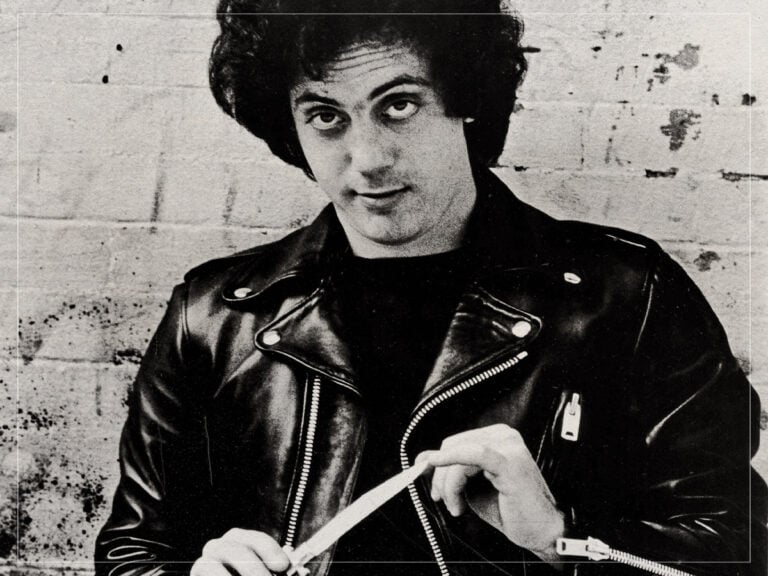

When it came to Bonham’s taste in music, he never had time to listen to both jazz and reggae. Although the band would eventually try their hand at making any genre under the sun, Jones remembered how much distaste Bonham had for those two genres, telling John Bonham: A Thunder of Drums, “John was interested in everything except jazz and reggae. He didn’t hate jazz, but he hated playing reggae – he thought it was really boring.”
As the band worked on the reggae experimental ‘Dy’er Ma’ker’, though, Bonham wouldn’t try to incorporate those syncopated rhythms. While there’s an occasional lift in the track here and there, Bonham is still pounding away on his insistent shuffle rhythm as the rest of the band try their best to put more of a reggae flair into the mix.
Even though jazz might have been a completely different vocabulary for Bonham, he could at least respect where some of the best in their field were coming from. While it might have been easier for Bonham to lay down a four-on-the-floor drumbeat throughout the band’s material, his intensity may have been inherited from someone like Buddy Rich, known for leathering the life out of his drumkit during the Swing era.
Despite not tasting the intricate sides of popular music, Bonham could still carve himself a unique place in rock music. Throughout every sonic detour, Bonham was always the gentle pulse pushing everything forward, laying down the ideal beat to get millions of fans banging their heads. Bonham may not have been looking to make complex drum fills, but what he lacked in flashiness, he made up for in pure musical muscle.

Never Miss A Beat
The Far Out Led Zeppelin Newsletter
All the latest stories about Led Zeppelin from the independent voice of culture.
Straight to your inbox.