


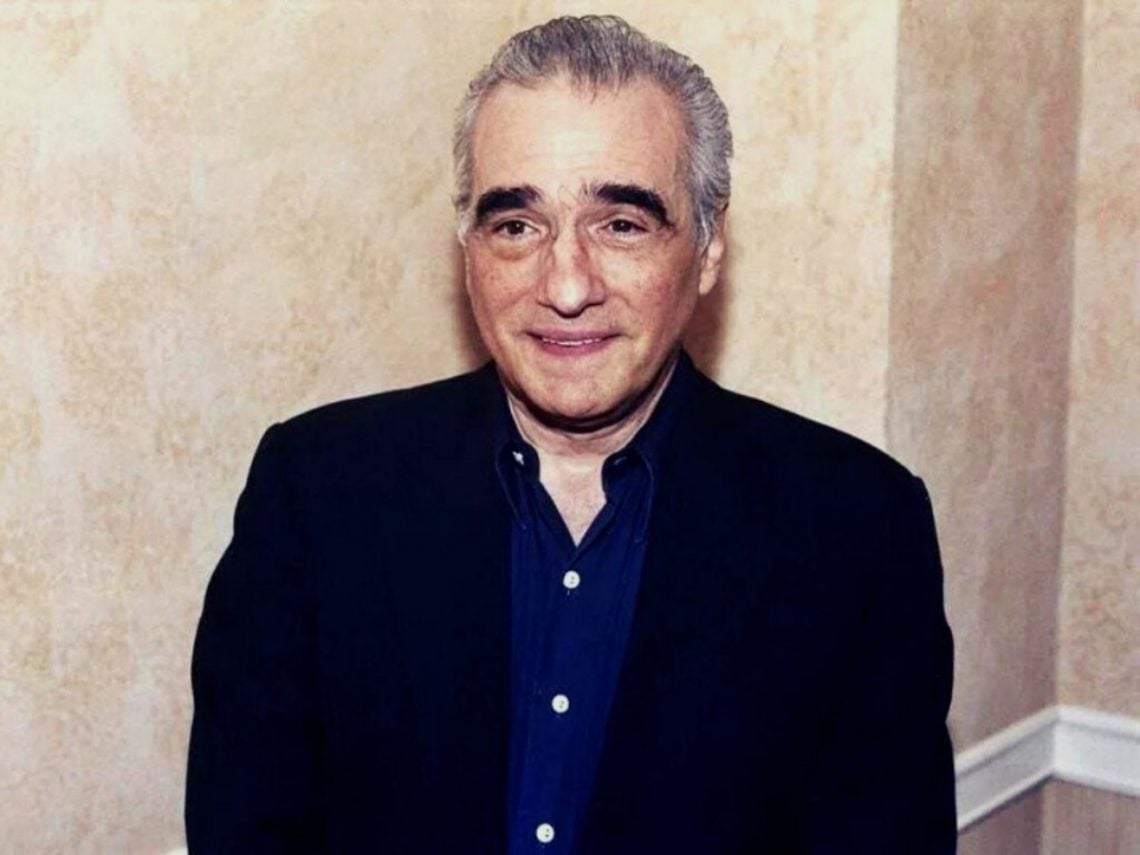
The two movies that made Martin Scorsese want to retire: “I’m not going to do it anymore”

To become a true icon in film is to have a sense of steely determination that often belies the glitz and glamour it achieves. To have such determination means you also need a certain amount of devotion. Harnessing a lifelong love for cinema, Martin Scorsese is one of Hollywood’s most accomplished filmmakers, boasting a career spanning seven decades.
The Oscar-winning director began his career in the 1960s, releasing his debut feature, Who’s That Knocking at My Door, in 1967, starring Harvey Keitel. However, it wasn’t until the early 1970s that Scorsese began to attract widespread recognition for his work. His 1973 film Mean Streets, starring Keitel and Robert De Niro, was praised for its portrayal of masculinity, violence, guilt and religion and spotlighted Scorsese as a prominent figure of the ‘New Hollywood’ movement.
His 1976 drama Taxi Driver, also starring De Niro and Keitel, is perhaps his most beloved work, influencing a generation of filmmakers. The latter includes Edgar Wright, who cited it as of the greatest films ever made, referring to it as “an existential trip into hell”. The following decades were particularly successful for Scorsese, who went on to release major hits such as Raging Bull, The King of Comedy, Goodfellas, The Age of Innocence, The Last Temptation of Christ and Cape Fear. It seemed as though Scorsese was on top of his game, making films both critically praised and commercially lucrative. However, after 1995’s Casino, the filmmaker seriously reconsidered his career.
In a 2020 interview with the New York Times, Scorsese revealed that during the production of Casino, he wanted to quit filmmaking, wondering if he could make anything better than he’d previously created. The publication reported that he “inevitably found himself butting heads with studio executives who wanted the running times shortened,” and he felt “drained” by the demands of Hollywood. Scorsese was in the right, and his direction in Casino is marked by his trademark style: dynamic camerawork, vivid storytelling, and an expertly crafted narrative that immerses viewers into the glitz and seedy underbelly of Las Vegas.
Following Casino, which was received by audiences with positive acclaim, the filmmaker released Kundun, Bringing Out the Dead, and Gangs of New York, all of which were critically praised but commercial flops.
However, when he worked on 2004’s The Aviator, tensions between Scorsese and the studio executives were still fraught, and he considered quitting the business again. He explained: “The last two weeks of editing and mixing The Aviator, I said, ‘if this is the way you have to make films, then I’m not going to do it anymore.'”
The director continued: “It’s like being in a bunker, and you’re firing out in all directions. You begin to realise you’re not speaking the same language anymore, so you can’t make pictures anymore.”
While the movie was tough for Scorsese to complete, it wasn’t for lack of trying from his cast, as Leonardo DiCaprio shone in his second outing with Martin Scorsese. It saw him deliver one of his most compelling performances to date, earning a second Academy Award nomination for his deeply considered turn as Howard Hughes. Under Scorsese’s assured direction, DiCaprio transforms the eccentric billionaire into a figure of tragic magnetism. It’s a performance that finds its rhythm within Scorsese’s sweeping, character-driven narrative, as the actor fully leans into the pathos and brilliance of a man coming undone.
Of course, Scorsese did not quit filmmaking. He followed The Aviator with The Departed in 2006, which won four Oscars, including ‘Best Director’ and ‘Best Picture’. Scorsese’s next project, Killers of the Flower Moon, is set for release later this year, reuniting the directors with frequent collaborators De Niro and Leonardo DiCaprio.
