


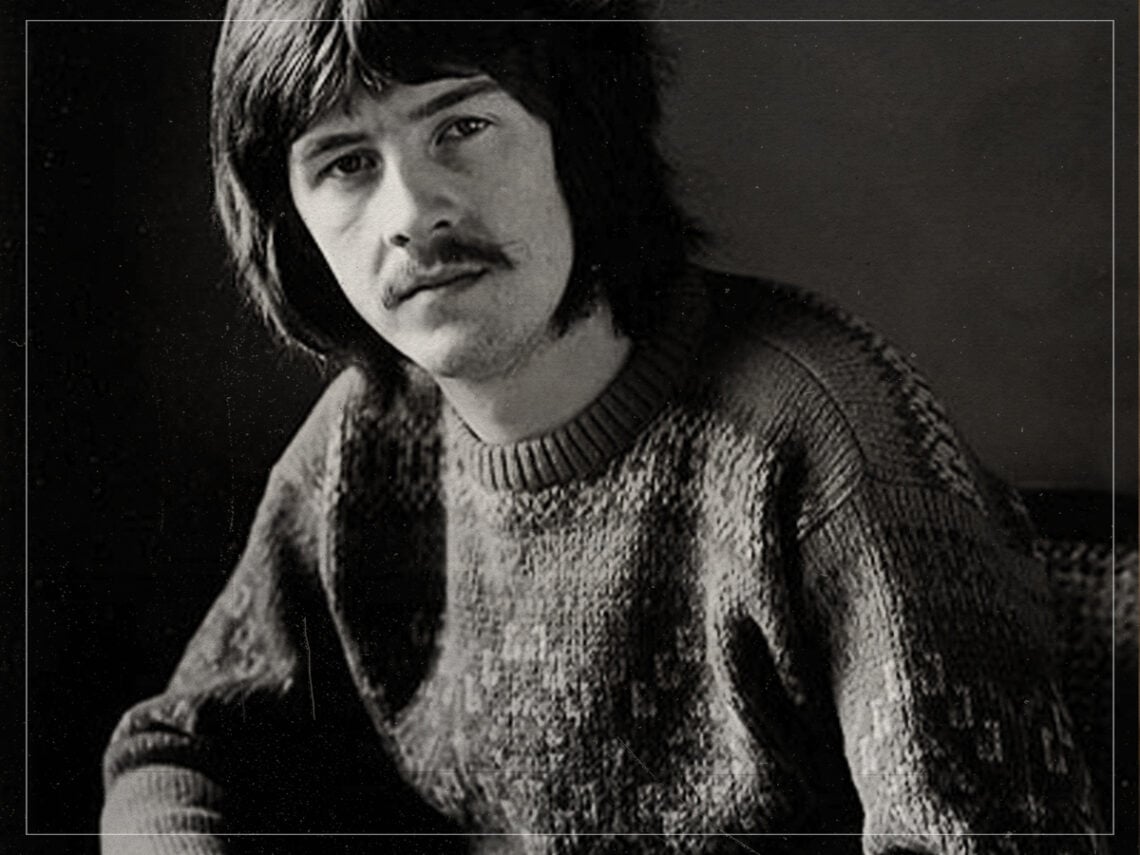
“The two best rock and roll drummers,” according to John Bonham

The late drummer, John Bonham, stands immortal in rock ‘n’ roll history as one of our most iconic beat-keepers.
His distinctive, thunderous style and technical ability helped define the sound of Led Zeppelin through the late 1960s and ’70s before his untimely death in 1980. Like most of our percussive heroes, Bonham was self-taught, but his natural talent and unwavering creativity helped him become one of the most influential drummers of his generation.
What set Bonham apart was not simply his power, but his ability to combine brute force with remarkable feel and musicality. His performances could be explosive when required, yet he also possessed the restraint and groove needed to elevate a song without overwhelming it.
Countless peers and modern drummers cite Bonham as a critical influence, including Phil Collins. In a 2016 interview on BBC Radio 6, the former Genesis star remembered the first time he saw Bonham play in the pre-Led Zeppelin years.
“I saw John Bonham play at the Marquee Club with Tim Rose, who was an American singer, and he did this hit version of ‘Morning Dew’. He was on tour and had this guy John Bonham on drums,” Collins recalled. “I went to see Tim Rose, but when I saw Bonham, I had never seen anything like it.”

“He had the best bass drum of anybody I’ve ever seen, and I became a convert there and then,” he continued. “So I started to follow him wherever he was going to be playing in a band. Next time I saw him was with Led Zeppelin, when they were still called The New Yardbirds. The early Led Zeppelin was something to behold because nobody was doing that.”
Although Bonham was a progenitor of the heavier rock genres, his education was rooted in classic rhythm and blues music. “John Bonham was an R&B drummer in a heavy metal band,” Billy Joel’s drummer Liberty DeVitto once told Drum Magazine of his hero. “He had the heavy sound and attack of Carmine with ‘D’yer Maker’, the R&B fills and feel of Roger Hawkins on’ What Is And What Should Never Be’, and as he developed, he added jazz feels or more swing, like the Purdie-style shuffle for’ Fool In The Rain’.”


During an interview for the same feature, Carmine Appice expanded on the diverse tastes of his late friend and fellow drummer. “John liked the great Motown, Atlantic, and Stax artists and rock and roll like Little Richard… Bo Diddley,” he said.
Bev Bevan, the drummer famed most for his work with ELO, concurred, explaining that Bonham’s tastes seemed rather rooted across the Atlantic. “I’m not sure John was a fan of British drummers, though he must have been influenced by Tony Meehan and Brian Bennett and Clem Cattini’s session work,” Bevan offered. “John and I generally shared musical tastes, all of them American.”
American rhythm and blues remained a foundational influence on many British musicians of Bonham’s generation. The records crossing the Atlantic during the 1950s and 1960s shaped countless future rock stars, providing a rhythmic vocabulary that would later evolve into something entirely new.
“I remember John and I agreeing that the two best rock and roll drummers were Earl Palmer and Hal Blaine,” he added. “Palmer’s drumming on Eddie Cochran’s ‘Somethin’ Else’ obviously inspired Bonzo’s intro to Zep’s ‘Rock And Roll’.”
Despite Bevan’s claims, Bonham greatly admired his British rival, Cream drummer Ginger Baker. In his humble memoir, Hellraiser: The Autobiography of the World’s Greatest Drummer, Baker recalled that Bonham felt they shared a position at the very top of the British drumming hierarchy.
“John Bonham once made a statement that there were only two drummers in British rock ‘n’ roll: himself and Ginger Baker,” Baker wrote. “My reaction to this was: ‘You cheeky little bastard!'”
The range of musicians cited by Bonham’s friends and peers reveals the true depth of his musical education. From American rhythm and blues to British rock innovators, he drew inspiration from a wide variety of sources before forging a style that generations of drummers would attempt to emulate. Decades after his death, his influence remains as powerful as ever, cementing his place among the most important percussionists in rock history.
Watch rock ‘n’ roll luminary Earl Palmer discuss the roots of rock drumming below.

Never Miss A Beat
The Far Out Led Zeppelin Newsletter
All the latest stories about Led Zeppelin from the independent voice of culture.
Straight to your inbox.