


The two bands who ruined rock ‘n’ roll with greed and drugs, according to Joe Strummer

Punk rock brought rock ‘n’ roll back to the people in the late 1970s.
For most of that decade, the genre had been enjoying the opulent and ambitious realms of its own success. After The Beatles paved the way for experimentalism, the early part of the ‘70s saw their blueprint explode into new subgenres. Psychedelic rock, prog-rock and rock opera were but a few of the new sounds burgeoning from this culture of freedom.
Just look at The Rolling Stones and Led Zeppelin. While they were the two premier rock and roll bands at the time, delivering straight down the line powerhouse music that built on traditionalism, they were still enjoying the fruits of this newfound musical appetite. Fans were desperate for more, both recorded and live, and so these two showstoppers gave it to them.
While the music was complex and intellectual back then, the industry that followed it was much simpler to follow. If bands were successful, they made money. Unlike today, it was straightforward, so both the Stones and Led Zeppelin were capitalising on that, stacking their cash piles high and putting good to the slogan of ‘sex, drugs and rock and roll’.
But come the late ‘70s, music became disillusioned with its own success. It was losing its grip on authenticity as it slid into this wild culture of opulence, and so punk rock came back to inject realism. It wasn’t about money; it was about the people and the important attitude of sticking it to the man. That’s what The Clash made wholly clear in their music. But if the message wasn’t loud enough, Joe Strummer was on hand to explain it literally, “Rock ‘n’ roll is a really good medium,” he claimed.
Adding, “It has impact, and if we do our job properly, then we’re making people aware of a situation they’d otherwise tend to ignore. We can have a vast effect! But you learn by mistakes. The Rolling Stones made mistakes. But I want to do something useful. I’m not going to spend all my money on drugs. I’m going to start a radio station with my money. I want to be active. I don’t want to end up in a villa in the South of France watching colour TV.”
What exactly did Strummer mean by The Rolling Stones made mistakes? To the untrained eye, they pretty much nailed their music career, yet a closer look reveals exactly the sort of concerns I raised about music and its pioneers losing sight of their motivations. But it wasn’t just the Stones Strummer took aim at, it was Led Zeppelin too.
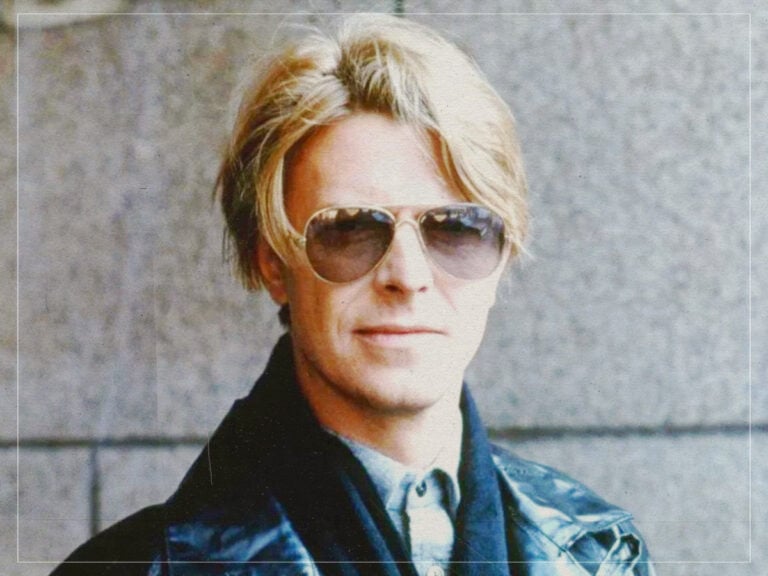
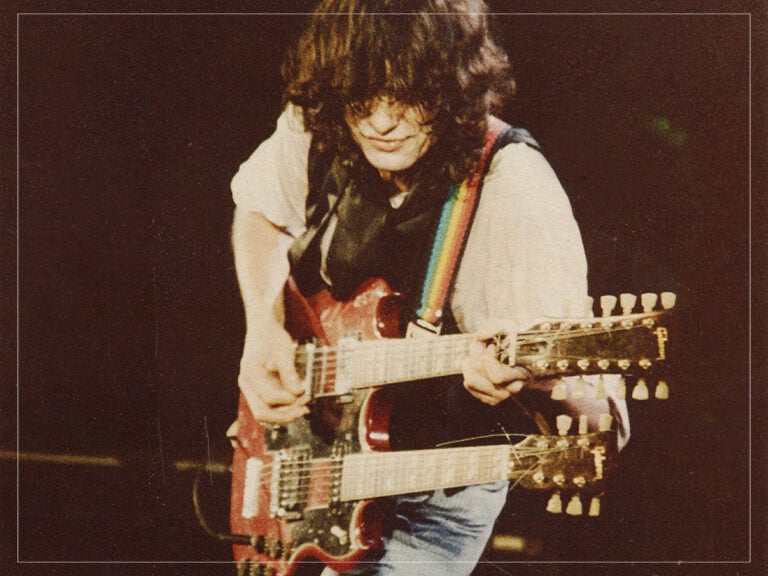

He rallied, “Money’s good because you can do things with it. Bands like the Stones and Led Zeppelin took everything without putting anything back. But we can put money back into the situation we were in before and get something going for the kids our own age.”
It was an important attitude that Strummer noticed long before it was necessary. Back in the ‘70s, it didn’t seem like the next generation needed it because the revenue streams kind of felt endless. But now more than ever, the trickle-down effects of community outreach are so deeply essential, for it is harder than ever to make it. And when bands are enduring that difficulty, it’s often the punk records they return to for inspiration.

Never Miss A Beat
The Far Out Punk Newsletter
All the latest Punk content from the independent voice of culture.
Straight to your inbox.