


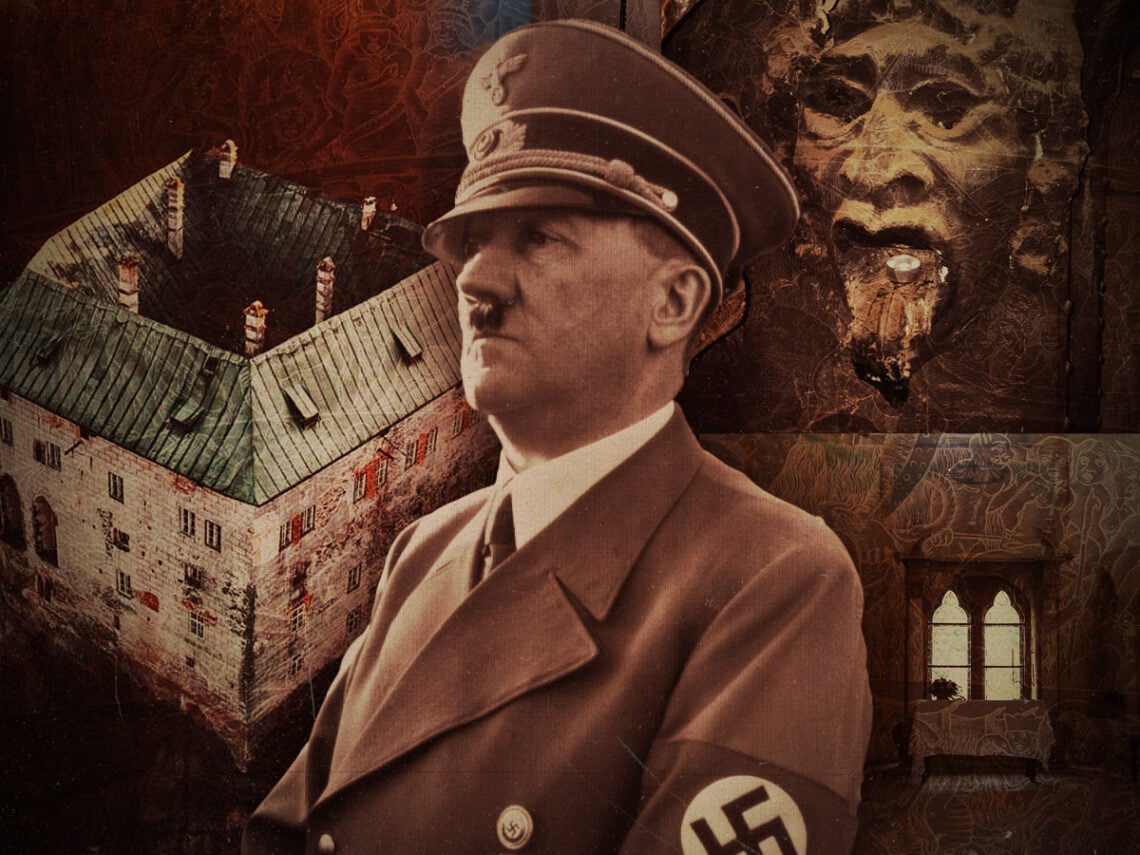
The truth behind Houska Castle: The Nazi’s occult ‘gateway to hell’

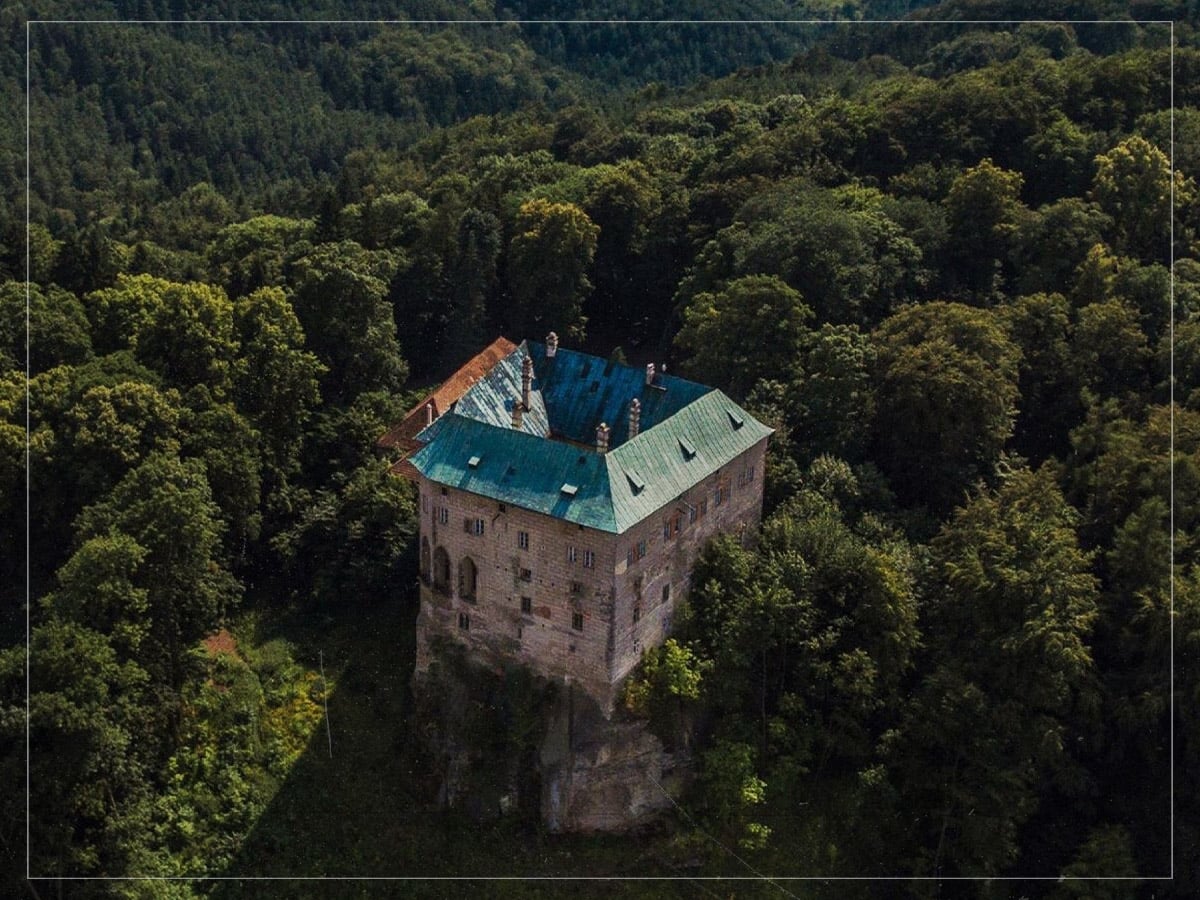
In a forest north of Prague, in the Czech Republic, sits a beautiful castle that attracts thousands of visitors every single year, for it combines medieval history, supernatural tales and even Nazis.
With stories of a gateway into hell itself and occult experiments by occupying Nazis, Houska Castle has a place in European folklore, which raises the question about the truth behind this scenic old building.
The story starts in the 13th century when the castle was constructed during the reign of King Ottokar II, but something was off about it from the start. While most castles are built to offer protection as a fortress, to control trade routes, or to be lived in by rich nobles, this one wasn’t.
Situated in an isolated forest and away from any major rivers or established trade routes, lacking the defensive features seen in other medieval strongholds, the castle is seemingly without obvious meaning. It’s now assumed that perhaps Houska was used for regional administrative reasons, as opposed to military ones, but the lack of clarity around its purpose is one of the main reasons why its mythology grew.
Its well-preserved gothic appearance might stun tourists and attract photographers to visit, but the reason Houska Castle is so infamous is the legend that underneath it is a bottomless pit that extends deep into the underworld from where emerge terrifying monsters and deathly screams.
There are even stories that prisoners, sentenced to death, were offered pardons if they volunteered to be lowered into the pit and tell those waiting what they saw. One man was lowered, only to instantly scream in terror, and when he was pulled back up to terra firma, his hair had gone bone white, and he’d aged decades.
It’s said that the castle was then built on this pit in order to secure the gateway to hell and ensure that nothing was ever able to escape, with some claims that the castle’s unusual architecture of a defensive layout that appears to focus inward, not outward, as you’d expect from a fortress, lends itself to this theory.
These stories surrounded Houska Castle for hundreds of years, but in the 20th century, they came face to face with real demons. Czechoslovakia was occupied by Adolf Hitler’s Germany in 1938, and the castle remained under Nazi rule until the end of the war in 1945, with troops stationed in the building.
It’s during this period that stories emerged of Nazi occult activity, with reports that the Third Reich was looking to harness the help of the underworld. There’s been a long lineage of conspiracy theories involving the Nazi’s and the occult, not helped by high-ranking Nazis having an interest in the paranormal. Heinrich Himmler, in particular, was known to have a real fascination with Germanic mythology and mystical ideas, although it’s likely overblown by many conspiracy theorists.
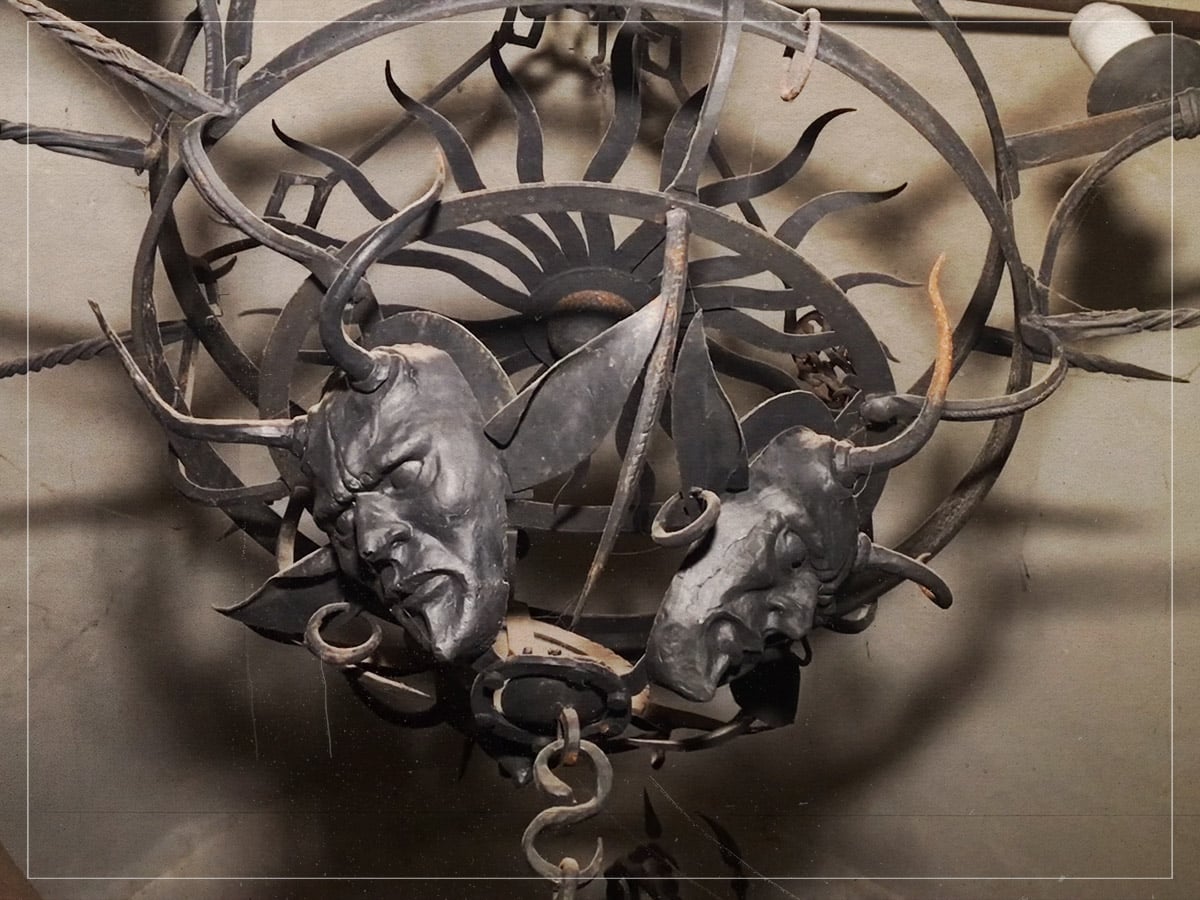
With the occupation in full flow, locals reported seeing unusual lights around the castle, with rumours spreading that the Nazis were conducting secret experiments at the castle, as well as searching for occult artefacts that could strengthen their chances of winning the war.
While we know that Houska Castle was occupied by the invading Nazi forces, there is no evidence or documentation that can verify occult experiments took place there, meaning that this is likely just legend.
Under strict wartime conditions, and experiencing the horrors of the Nazis, it’s perhaps not surprising that locals speculated as to the evils that could be taking place in Houska Castle. Interest in the castle has only grown in the decades since, with television and then the internet, all breathing life into these tall tales.
With its blend of history and mystery, it’s no surprise that Houska Castle is attractive to dark tourists, as well as those fascinated by the Second World War. It might not be as popular as Prague Castle, largely down to its location, but since being opened to the public in 1999, it has become an integral part of the Czech tourist trade.
Today, its breath-taking gothic architecture is widely admired, but it’s Houska Castle’s place at the intersection of gritty history and unexplained, paranormal conspiracy that has seen it gain worldwide notoriety.
