


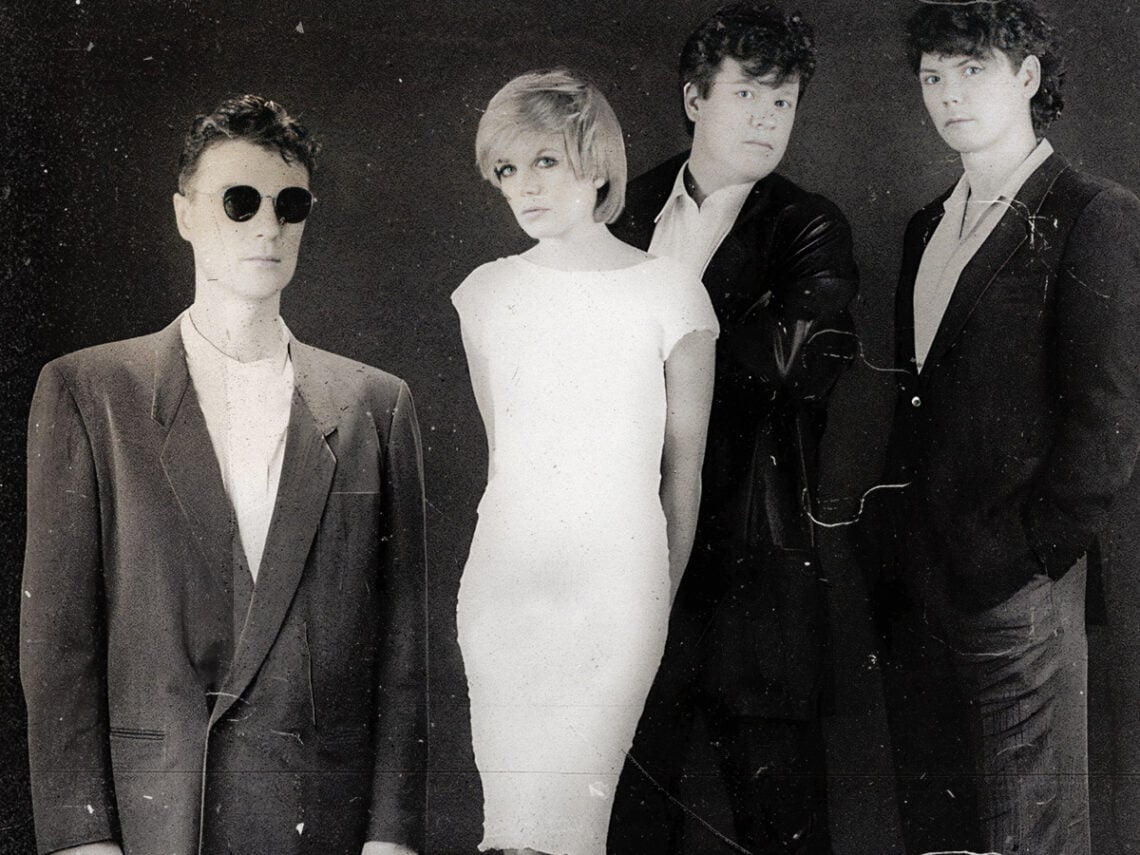
The Talking Heads song written about “a joyful look at doom”

No other band has infused their music with the weird and the wonderful quite like Talking Heads. The new wave pioneers blended quirky guitar-driven soundscapes with nonsense lyrics and on-stage theatrics, pushing sonic strangeness further into the mainstream. Born out of the 1970s art scene in New York, their ingenious sound was endearingly eclectic, winning them commercial success alongside a cult following that remains to this day.
At their best, Talking Heads carved universally captivating soundscapes that toed the line between those two audiences. ‘Once In A Lifetime’ features masterful lyrics delivered in David Byrne’s distinctive vocal style – simultaneously vague and visceral, he declares, “Letting the days go by, letting the water hold me down… Same as it ever was”. Paired with a memorable video and bleeping instrumentals, the existential track became one of the most well-loved songs of all time.
Just four years on from the release of ‘Once In A Lifetime’, Talking Heads unveiled another all-time great with ‘Road to Nowhere’. The song contains a similar humanity to it, as we find Byrne philosophising on the meaningless of life above an overwhelmingly cheerful soundtrack.
Explaining the inspiration for the song in the liner notes of Once in a Lifetime: The Best of Talking Heads, the frontman stated that he intended to write a song that “presented a resigned, even joyful look at doom. At our deaths and at the apocalypse… (always looming, folks). I think it succeeded.”
It certainly did succeed. With a marching beat, optimistic organ tones, and occasional bouts of accordion, there are few songs as sonically idealistic as ‘Road to Nowhere’. Byrne’s vocals transform the unnerving road to nowhere into the road to paradise, welcoming listeners along for the ride: “Would you like to come along, you can help me sing the song, and it’s alright”.
Initially, the song was made up of just two chords, but Byrne “tacked on” the gospel introduction to make the song more complex. The catchy chorus, which Byrne told Q magazine “started the whole thing” remains as a refrain throughout.
It’s a euphoric song that shrugs off existential dread and invites listeners to do so. Through Byrne’s depiction of the universal experience, paired with an endlessly danceable beat, it feels easy and joyful to join him in accepting and resigning ourselves to the doom.
As Byrne summed it up, “It’s this little ditty about how there’s no order and no plan and no scheme to life and death, and it doesn’t mean anything, but it’s all right.”
