


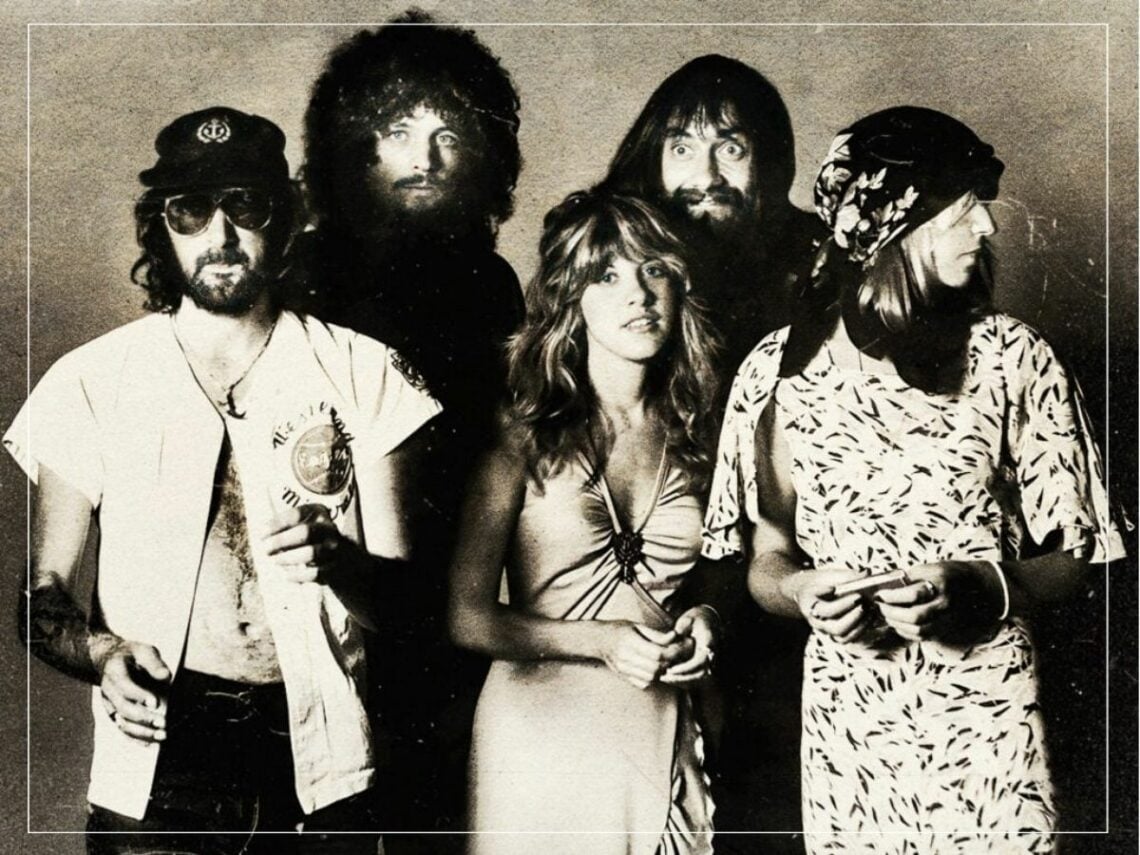
The tale of the Fleetwood Mac forgery: “I’ve always been sort of the leader”

It’s tough to believe that all of the things that happened to Fleetwood Mac in the 1970s were even feasibly possible to have happened to one band. Everything always seemed to be for the British-American soft rock group during this decade, and barely a moment ever went by where they weren’t embroiled in some sort of drama. There probably wasn’t a tougher band to have been a member of throughout this decade.
However, while one might think that the constant in-fighting, relationship troubles and addiction problems that plagued the writing and recording process of their 1977 classic album Rumours would have been the biggest obstacle that the band ever faced during this tumultuous ten-year span, there was one ongoing incident that sparked even more issues for the band, and almost saw all the members usurped by a group of counterfeits.
One person who was at the centre of this drama was the band’s erstwhile manager, Clifford Davis, whose overseeing of all the band’s affairs was always deemed to be marred by controversy, and in 1974, he decided to take it upon himself to create a fake version of Fleetwood Mac due to the fact that he sincerely believed he had the power to assume complete creative control over the group.
Of course, this was not entirely true, and the fact that founding members Mick Fleetwood and John McVie (both of whom gave their names to the band) were still present created a big point of contention between the real Mac and the ersatz Mac. But why exactly did Davis wish to establish a new version of Fleetwood Mac in the first place?
In 1974, a band who bore the name Fleetwood Mac began to tour the US, but they didn’t feature any of the members who were considered to be a part of the band that everybody recognised. Instead, members included vocalist Elmer Gantry, guitarist Kirby Gregory, bassist Paul Martinez, pianist David Wilkinson, and drummer Craig Collinge. Collinge was supposedly brought in at the eleventh hour for the absent Fleetwood, and Davis stated that his decision to shake things up was completely necessary. “I’ve always been sort of the leader,” Davis told Rolling Stone. “I’ve always sort of picked who was going to be in it and who wasn’t.”
Supposedly, the reason for establishing a new version of the band was because the inner tensions between members had reached an all-time high, with guitarist Bob Weston having had an affair with Fleetwood’s wife, Jenny, and instead of only choosing to fire Weston from the group to rid the band of any troubles, Davis took it upon himself to retire everyone from the group instead and send this new group of musicians on the road under the Fleetwood Mac name.
Some of the new members of the band had already found success in other groups such as Curved Air and Manfred Mann’s backing band, but when audiences realised they weren’t the authentic group, some hostility began to show from the US audiences, and as a result, the new recruits gradually began to remove themselves from the situation.
By the end of 1974, the two parties had found themselves engaged in a heated legal dispute, with the real Fleetwood Mac attempting to prove their genuine status as the owners of the name, and eventually had a new contract settled with Warner Bros. to release their new album, Heroes Are Hard to Find, in September of that year. However, the legal battle against Davis would run on for four years before settling amicably outside of court proceedings.
