


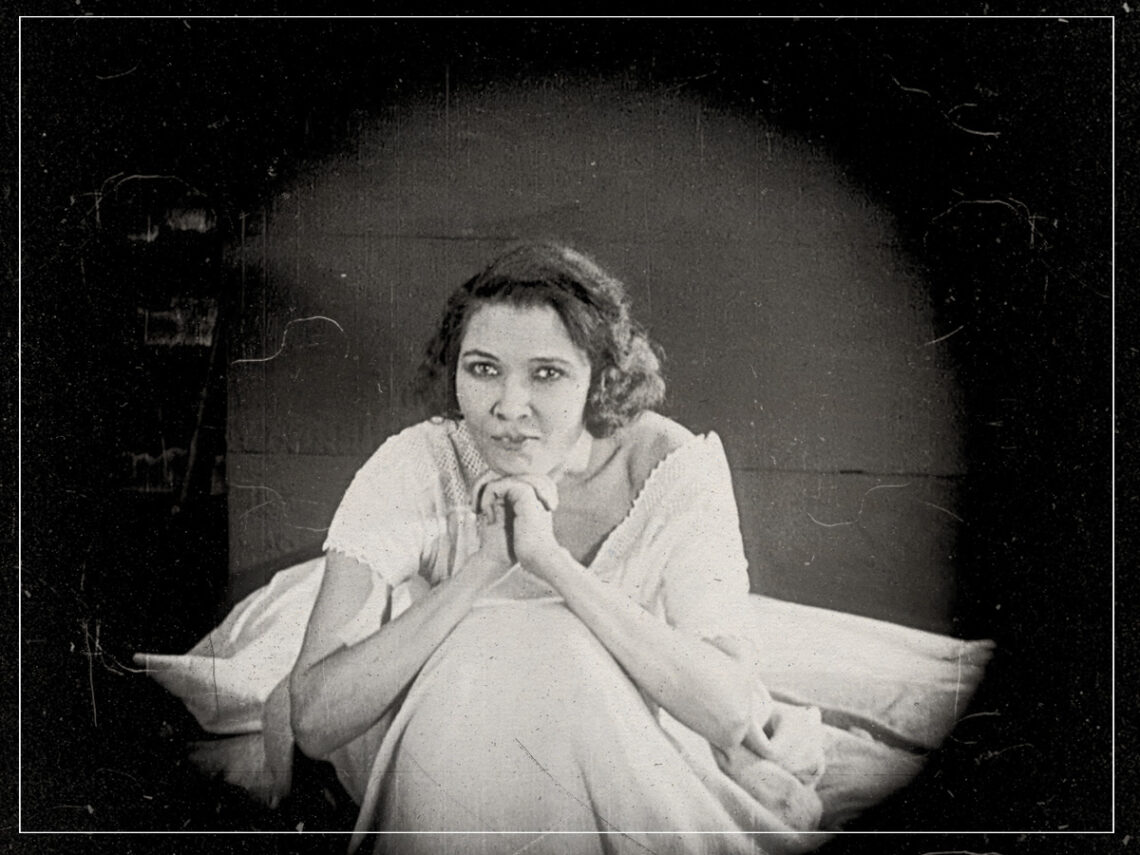
‘The Symbol of the Unconquered’: exploring Oscar Micheaux’s powerful protest movie

D. W. Griffith’s silent film A Birth of a Nation remains a shocking visual artefact from a period when racism was even more rampant and violent. During this time, many states were segregated and racist crimes were on the rise; for example, in 1913, over 60 Black Americans were lynched.
A Birth of a Nation was a cruel celebration of white power, and the silent film’s portrayal of Black characters (all of whom were played by actors in Blackface) was beyond offensive. It became the highest-grossing work at the time of its release, with many white Americans seemingly enjoying the vile racism that defined the movie.
If that sounds bad enough, the movie also features the Klu Klux Klan as the heroes, lynching characters and acting as a force of intimidation. The popularity of the film at the time of its release only emphasised how widespread racist values were in America during the early 20th century, although a few states did temporarily ban it. Moreover, the movie even inspired a resurgence of the KKK, which gained considerably more members following its release.
During this time, there were a handful of active Black filmmakers, often specialising in ‘race films’ which were directly intended for Black audiences. One of the most important Black directors from this period, Oscar Micheaux tried his hand at many different jobs until he eventually excelled as a writer and director.
He published his first book, The Conquest: The Story of a Negro Pioneer, in 1913 and directed his first film, The Homesteader, in 1919. However, in 1920, he made The Symbol of the Unconquered, one of his earliest surviving works. The movie explores race relations and hits out at the KKK, framing members of the organisation as disgusting villains. The movie emerged just five years after the success of The Birth of a Nation and demonstrated that there were Black artists out there ready to challenge the racist attitudes that had already been immortalised on celluloid.
The Symbol of the Unconquered allows its Black characters to triumph against the KKK members, resulting in them finding prosperity and financial success in the aftermath. Micheaux was interested in encouraging Black Americans to find wealth and achieve their dreams, and this is reflected in the film.
The movie is missing several parts which remain lost, but it is still a fascinating insight into a time when film was beginning to be used as a medium to explore social and cultural issues, such as racism. Micheaux’s work is not without its flaws, however, and the depiction of mixed-race characters is certainly problematic. Additionally, the movie seems to champion capitalism as a barometer of freedom, failing to ignore the inherent oppressiveness that capitalism as a system brings.
Still, it is important to acknowledge the pioneering efforts made by Micheaux to stand in opposition to works like The Birth of A Nation, a piece of work that had a hugely damaging effect on Black Americans for years to come. Micheaux made his projects with the aim of giving Black Americans a chance to see themselves on screen, tell their stories and advocate for celebration and power. At a time when America was ruled by a President (Woodrow Wilson) who advocated for segregation, Micheaux’s contributions to the development of Black filmmaking were vital.
