


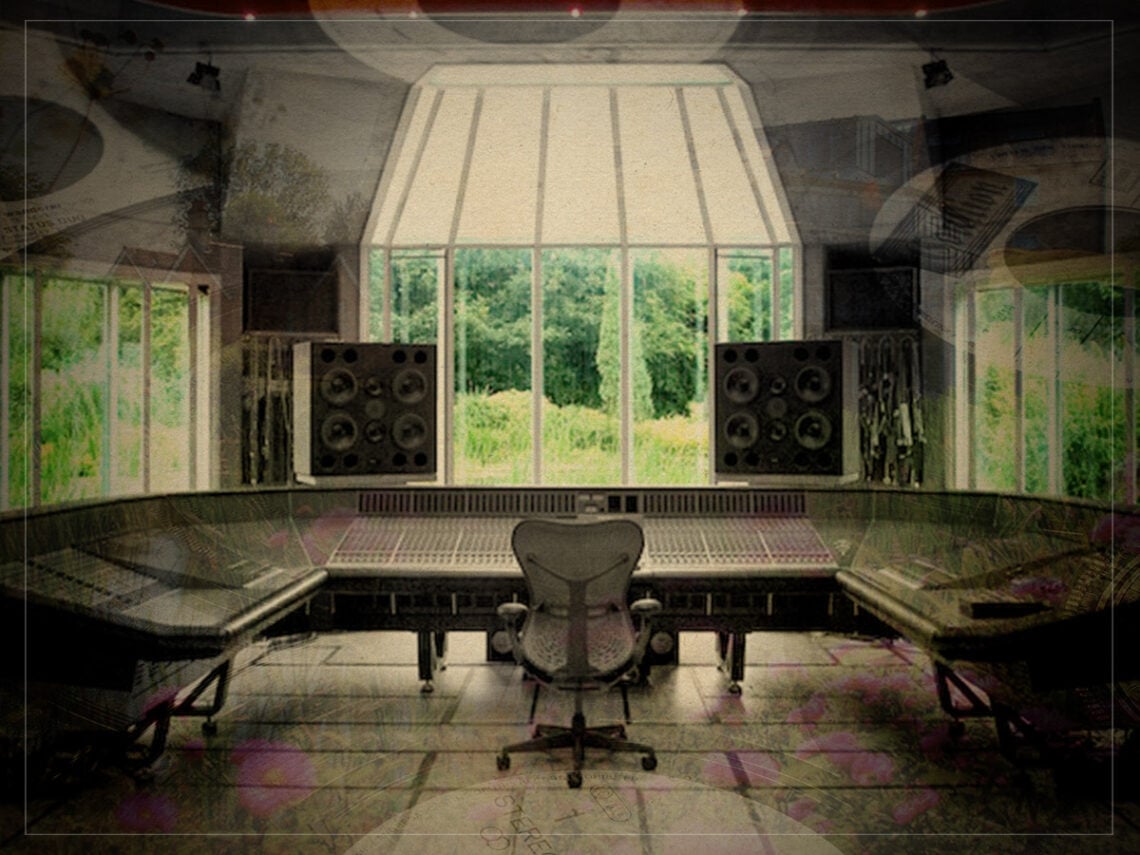
The studio in Wiltshire that has defined British music since the 1980s

It’s easy to underestimate the impact of the studio on the record that comes out of it. Especially in this modern music world of things being increasingly made online, at a distance or from home, the influence of an actual, physical space is fading.
But looking back through musical history, particular places have left this fingerprint all over some of the most influential albums ever made. Jimi Hendrix had Electric Lady built for exactly that reason, custom-making it to not only shape his work, but to become a home for rock and roll dreamers. Space was so essential to The Beatles that in their final years, during the infamous Let It Be sessions, they demanded that they be allowed to ditch Twickenham and return to their base at Apple, where the vibe was right.
Certain studios just have a certain atmosphere, like in the San Fernando Valley, the sun-bleached Sound City has a palpable vibe, rejecting the glossiness of Hollywood but embracing the grit and strangeness of Los Angeles to become home to artists like Fleetwood Mac, Nirvana, Tom Petty and now modern stars like Phoebe Bridgers. Over in London, Trident Studios seemed to have that classic 1970s rock and roll sound leaking through the walls, colour each and every album that came out of the place. At Abbey Road, the grandeur of the space’s history always seems to lead to something polished yet bold.
But one underestimated spot sits in a random parish in Wiltshire. Free from any hustle and bustle, Real World studios stands out from miles away as its outside looks like a strange dystopian bunker has collided with a country house. That alone becomes a perfect description for the kinds of music being made at Peter Gabriel’s custom-made record studio since its opening in the late ‘80s.
It seemed that at the end of his busiest decade, after quitting Genesis and hitting new heights with his album So, Gabriel wanted to give back. He launched a record label and opened up Real World Studio initially for the artists he supported to come and record. Back then, it played a major role in shaping Gabriel’s house as he leaned more into the influence of world music by inviting global artists to the spot to record both their own music and with him.
But since then, Real Word has become a hub way beyond his name. Looking beyond the obviously massive names like Beyoncé, Kanye West, Harry Styles, Björk and so on, who have all recorded or done final mixes at the spot, Real World plays such a vital role in British indie, especially.
In 2010, when Laura Marling was about to level up both her own career and the entirety of modern British indie folk with her second album, she did it at Real World. Arctic Monkeys have been known to make a hub of Real World, as have acts like The Courteeners, The 1975, Lianne La Havas, Foals, Florence Welch and more, helping to define the modern British indie sound.

As a rare studio that works with both mega stars and up-and-comers alike, it’s not all that rare to see a band in their real infancy getting invited down to Real World as Gabriel still keeps his ear to the ground. But also, it’s rare for a studio of this scale to also still have space for residency as bands or artists fully decamp to the spot, move into the six-bed house and write, record and just hang out in an intensive creative atmosphere. When making part of Fine Line, that’s exactly what Harry Styles and his band did as the singer was inspired by Gabriel and other artists who had recorded there, including Van Morrison.
Still open and still cutting records, Real World continues to help define British music, especially as it backs their biggest stars and their brightest risers.
