


The Record Plant’s Redundancy: How the music industry moved on from recording studios

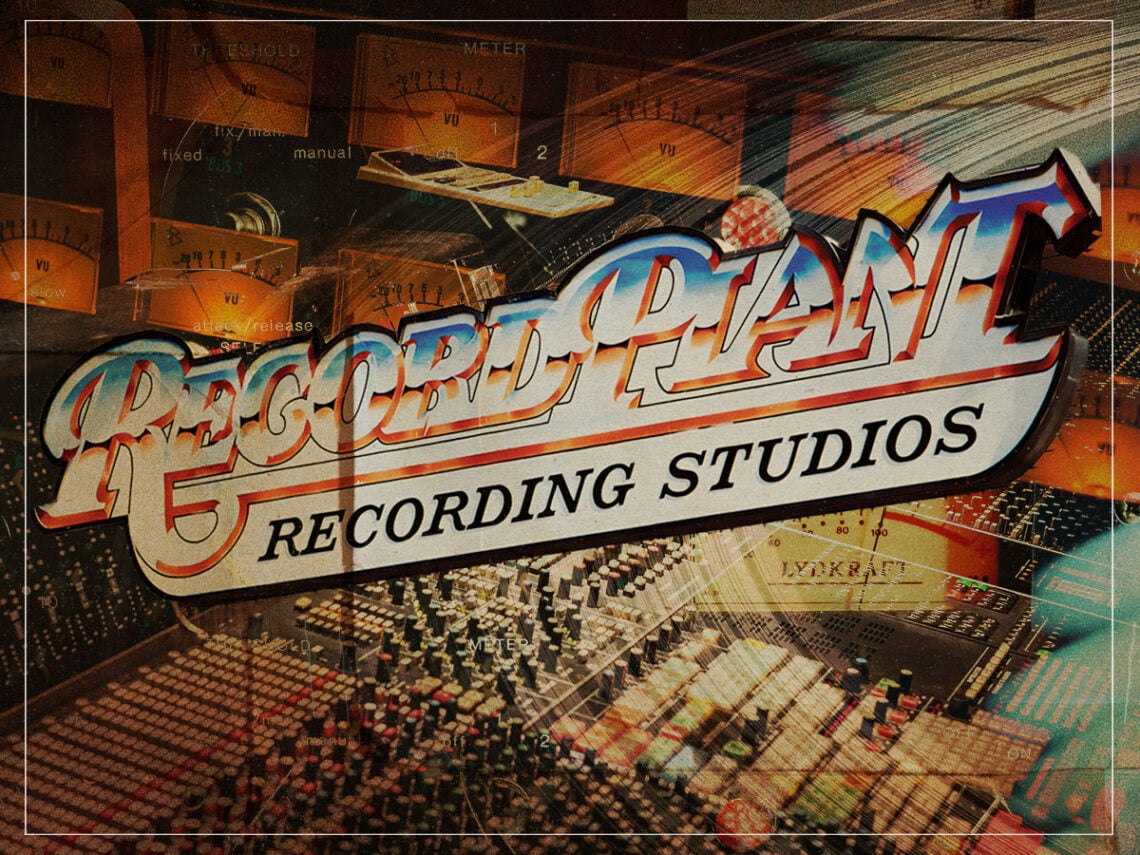
“We do everything on mates rates and as cheap as possible, but you’re still looking at £8,000 to £10,000 for our record from start to finish,” Graeme Martin of Pet Deaths recently informed Far Out. So, despite being a cherished institution that has gifted culture countless masterpieces over its five-decade reign, it comes as little surprise that The Record Plant, a rock institution, has closed its doors in 2024.
Originally, the studio was established in 1968 in New York City, and played host to the likes of the New York Dolls, Jimi Hendrix, Stevie Wonder and Lou Reed. However, in 1969, the studio opened another branch in Los Angeles, which quickly became their defining location. Its presence was a pivotal part of the cultural milieu, helping to shape the West Coast sound through records like Rumours, Hotel California, and even Steely Dan’s famed ‘live’ album.
In this regard, with such a wealth of musical history and evident contributions to art to its name, the closure comes as a sorry blow to society, further showcasing the unforgiving nature of hyper-capitalism, but that doesn’t stop it from being about as unexpected as rain in Manchester. This viewpoint was confounded by the studio’s own head engineer, Gary Myerberg, who told the Los Angeles Magazine, “There is no money in the recording music business.”
”I don’t think there’s much hope for the recording industry in LA,” he continued. If there isn’t hope for the recording industry in the moneyed world of Los Angeles, where art is considered a viable currency to an extent incomparable anywhere else in the world, then you can extend his ‘death of the studio’ sentiment well beyond the border of San Bernardino Country. “If you want to go to the studio and spend $2,000 a day,” he said, “Just take that and buy a laptop and a sample library or tell AI what song you want to make, and it’ll make it.”
Indeed, the conjunction of cheap and easy tech, rising studio expenses, and dwindling music industry profits (for the artists – total revenues grew 8% in 2023, reaching a record high of $17.1billion at estimated retail value for the industry), at a time of a chronic cost-of-living crisis have all hammered nails into the coffin of studios like the Record Plant, but some of the factors sealing the casket are far more subtle than that.
There is a video on YouTube titled ‘4 Hours of Ambient Study Music to Concentrate’. It has 16 million views at the time of writing. For context, the video for the latest single by the Arctic Monkeys has 3.9m. However, the lads from Sheffield are deemed the saviours of rock ‘n’ roll, while the other creator is so faceless that questions abound in the comments about whether they are even human at all. That is as unprecedented as the present economic turn the music industry has taken in recent times.
A revolution is afoot — one so quiet, calm and un-revolutionary that it goes unheralded. But when Grammy-nominated rock acts are being far eclipsed by the lilting sound of who-the-hell-knows when it comes to the music that fills the bulk of our days, it is unquestionable that something is brewing amid our bewildering zeitgeist. It is a revolution that has no particular place for so-called iconic studios and the bigwigs and bulging prices behind them.

On his 2023 album Mushroom Cloud, A.S. Fanning crooned, “Because living young is getting old”. It’s a line that many millennials would agree with. The next generation of creatives, who in previous decades would’ve been clamouring to get through the door of the Record Plant, are now happier to embrace the more leisurely comforts of life.
Fanning’s resonant lyric is not just a symptom of ageing that even L’Oreal can’t fight but a lifestyle choice borne from these bruising times that more and more people are choosing to follow. Gen Z, in particular, is drinking less and going about life in a more introverted manner. So, if you’re not the kind of cat who’s into the ‘top hat flown first class’ trappings of traditional rock ‘n’ roll lifestyles, then the DIY ways of modern home recording come with perks beyond saving precious pennies.
“The ability to make a wide spectrum of music in your own home, without other musicians, without crazy money, without having to go to a studio, is really freeing,” Ryan Dann, the musician behind The Holland Patent Public Library, told Far Out. “A lot of people who make this type of music aren’t really even looking to go touring either. All those things have played into the rise of it.”
Dann continued, in a manner that seems reflective of many young artists, that he’s quite happy with the humble lifestyle his DIY art affords him. He’s not particularly interested in hammering on the door of some sleazy label boss and demanding they shell out pressure-inducing big bucks to buy him into a studio once considered prestigious, formerly filled with ground-breaking technology now contained within his laptop. “I have enough money to survive,“ he says. “I’m not wildly rich. But I have enough. Maybe that’ll change in the future, and I’ll care more about it. But for now, I’m kind of like, ‘Well, I’m doing OK’.“ In an age where making massive money seems to be well and truly out of the picture, this is simply an easier attitude to adopt. And it has impacted the outlook of artists.
In the past, perhaps The Rolling Stones would’ve relished the chance to be booked in, all expenses, by a forgiving label, to record for three weeks in an opulent studio in the heart of LA. They will have drank from morning until night, with frequent visits from collaborating guests and ‘industry associates’ dropping off bags of substances into the lads on holiday mix. But that’s a thing of the past in myriad ways. In fact, the Rolling Stones are a thing of the past in various ways, too.
Firstly, the leash afforded to bands these days is far tighter. Investments come with strict expectations of returns. So, even if you are the sort of artist who’d love to enter the formerly hallowed halls of the Record Plant, you also have to be willing to accept the creatively limiting pressure of prying label bosses and reminders that each passing day racks up another $2,000 well before mastering and mixing even enters the fray. Secondly, all expenses are extremely unlikely; there’s a degree of self-sacrifice on that front that all emerging acts need to justify when faced with the fact that they could achieve comparable results at home.
Thus, many of the bands we speak to these days who are keen to dive into studios often visit rural retreats like Rockfield Studios in Wales or work with independent producers with their own local studios like Bill Ryder-Jones, whose work they have admired as an artist, creating a level of comfort and assured quality prior to any transactions.
So, perhaps the point is not that studios are a thing of the past but rather that big, expensive studios hosting big, expensive names are.
Firstly, because there are no significant expenses to foot the bill anymore. Secondly, because there are no more big, expensive names either in the age of 50,000 songs per day spread over a microcosm of niches that precludes huge names bar the odd Taylor Swift oddity – evidenced by the fact that even Arctic Monkeys’, rock’s most laidback and grounded saviours to date, are being far eclipsed in terms of listening hours, by a studio playlist made on a laptop by a musician more than happy to remain at home.

