


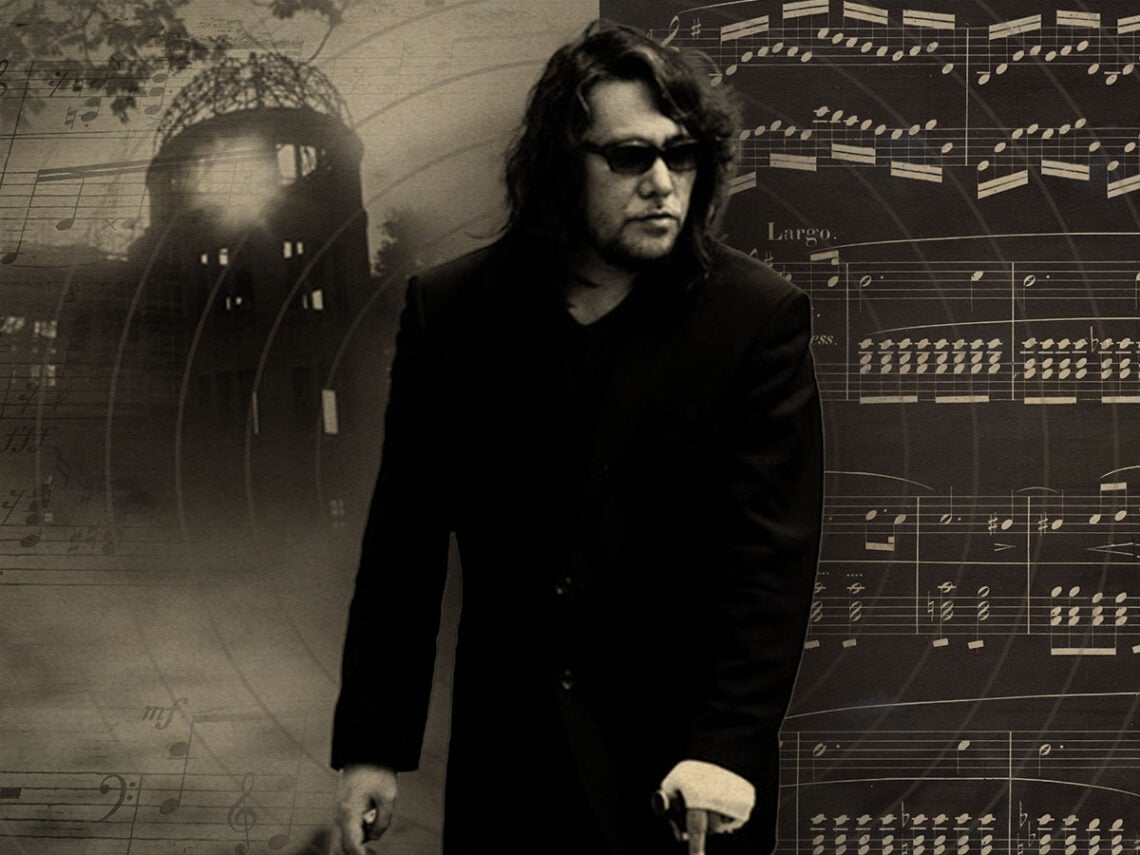
Mamoru Samuragochi: The strange tale of the deaf composer who wasn’t deaf and didn’t compose

Charlatans have been around since the dawn of recorded history, but until recently, shame was also a potential pitfall of that profession; a sense of deep regret or remorse for having taken one’s lies to a dangerous and hurtful extreme.
Had Japanese composer Mamoru Samuragochi been called out as a fraud today, he might well have been advised to double down and deny the allegations. In 2014, though, the culture was a tad different – maybe it’s still different in Japan anyway. Whatever the reason, Samuragochi came clean. He’d been living a rather incredible lie since the 1990s, achieving fame and critical recognition as a supposedly deaf musician, a modern-day Beethoven. In truth, he was neither deaf nor the writer of most of his own music.
The breaking point in the charade seemed to be the 2014 Winter Olympics in Sochi, where Japanese figure skater Daisuke Takahashi was scheduled to skate to Samuragochi’s piece ‘Sonatina for Violin’ during his short program performance. Following several months of whispers and suspicion around Samuragochi and the authenticity of his life story, the increased scrutiny brought on by the Olympics seemed to inspire the secret ghostwriter of Samuragochi’s music to finally come forward.
Takashi Niigaki, a little-known lecturer at a Tokyo music college, had been composing Samuragochi’s work for years, including the popular scores for the video games Resident Evil and Onimusha, as well as the award-winning Symphony No. 1 Hiroshima, supposedly inspired by the bombing of Samuragochi’s hometown during World War II.
“He told me that if I didn’t write songs for him, he’d commit suicide,” Niigaki claimed at a press conference after revealing himself as the true composer. “But I could not bear the thought of skater Takahashi being seen by the world as a co-conspirator in our crime.”
I’m not sure anyone would have roped the poor figure skater into this mess under any circumstances, but if Niigaki needed that thought to motivate him, so be it.
The bigger news within Niigaki’s statement actually went beyond the matter of writing credits, as he further claimed that Samuragochi was able to hear just fine and had regular phone conversations with him. The supposed deafness was “an act that [Samuragochi] was performing to the outside world,” Niigaki said.
During the height of his fame in the 2000s, Samuragochi leaned hard into his own myth, writing a memoir and taking part in a documentary about his life. In a feature in Time magazine, he said the degenerative hearing loss he had suffered in his 30s was “a gift from God”.
“I listen to myself,” Samuragochi said in 2001. “If you trust your inner sense of sound, you create something that is truer. It is like communicating from the heart.”
As the feel-good story began to collapse, nearly 20 years after Samuragochi had risen to prominence, the Japanese music industry and media were both stunned and humiliated. There was no choice but for Samuragochi to make an official statement, and to his credit, I guess, he didn’t push the goalposts any further down the field.
“Samuragochi is deeply sorry,” his lawyer communicated to the press, “as he has betrayed fans and disappointed others. He knows he could not possibly make any excuse for what he has done.”
Seven years later, Samuragochi released new music, claiming he’d now begun composing himself, but surprisingly enough, it didn’t generate a ton of interest.
