


“I was getting death threats”: The strange history of Joan Osborne’s classic ‘One of Us’

Ever since the earliest known compositions were written, music and religion have always gone hand in hand with one another, with the concept of God and faith providing a fruitful subject matter for everything from classical music to folk.
Whether it comes in the form of lavish hymnal music that was written for the purpose of being recited in church, to the simple yet reverential nature of gospel music that formed as a means of expressing your devotion to a higher power, religious music has always had a place in society, and will continue to play a role in many people’s lives for as long as religions exist.
However, in the last century, as religion has become less of a staple in the lives of some individuals, music has found itself becoming more secular in nature, and while some pop music still shows an unwavering dedication to worship, it’s now a far cry from its origins as people have come to question their relationship with God more.
Not all people who choose to focus on doubting the nature of our creator in their music ought to be branded as heretics or ardent atheists, but the increasing level of agnosticism in popular music has led people to ask more probing questions about the heavenly relationship that others possess.
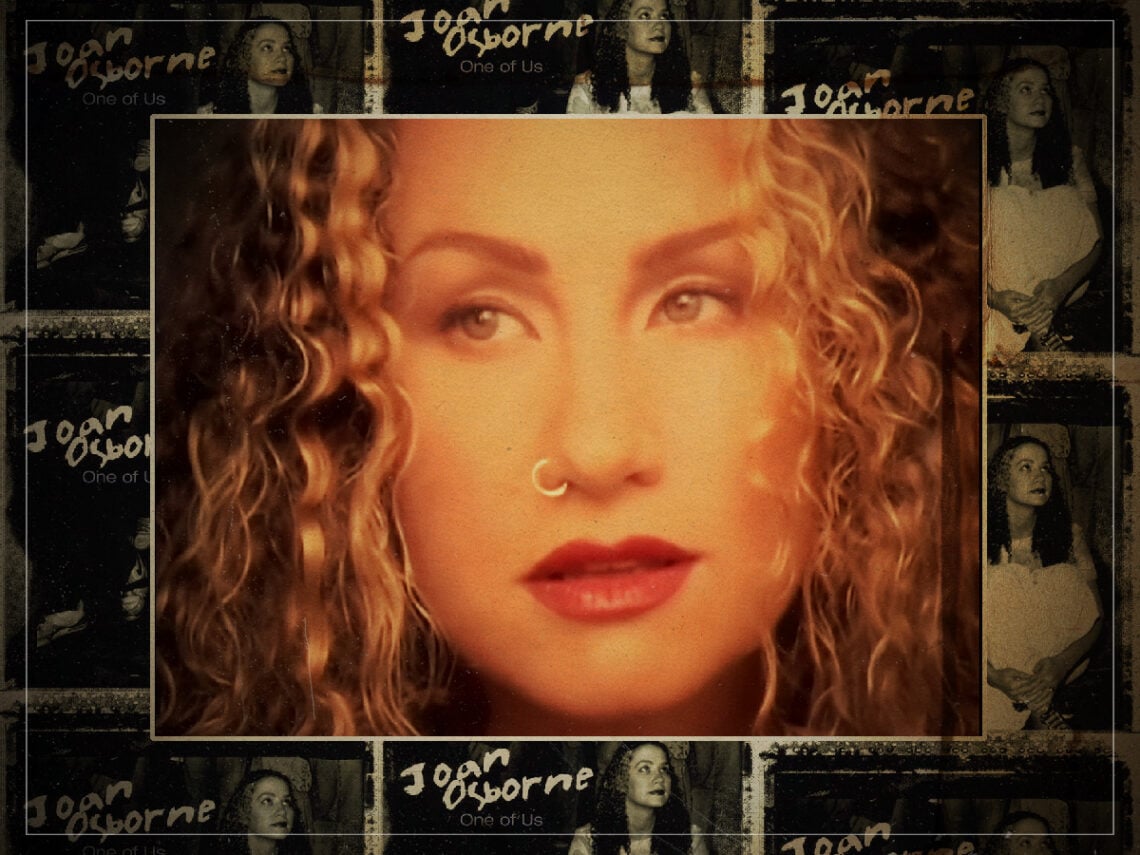
In 1995, American singer-songwriter Joan Osborne posed the ultimate question about who God really is in her hit single, ‘One of Us’, but if the backlash that she received from the public over the song’s themes is anything to go by, it was the sort of song that religious fanatics weren’t quite ready to hear or ponder over in their own personal lives.

Having been touted by Rob Hyman from Philadelphia rock band The Hooters after playing a show in her hometown, she was soon connected with record label executives who had her working with Hooters’ co-founder Eric Bazilian and Hyman on material for what would become her debut album, Relish. Among the songs that were put in her direction was ‘One of Us’, which had supposedly initially been reserved to be sent to Crash Test Dummies, but when Osborne performed it, the song took on a new life.
However, despite the instant success of the song, the criticism it was met with over its lyrical content is arguably what has helped it remain a culturally significant release, with its sceptical philosophising proving to be a controversial subject matter. The primary source of this comes from the simple chorus line: “What if God was one of us / Just a slob like one of us / Just a stranger on the bus tryna find his way home?”
Despite her initial protestations about delivering the line, she was convinced by producer Rick Chertoff that it would generate a talking point that would draw people to the song, and even though she countered that by including lines proclaiming “God is great”, many listeners took umbrage with her calling God a “slob”, essentially labelling him as just another average citizen of the world.
The thing is, the entire meaning of the chorus is meant to ask the question of whether God would feel the same pain and suffering that mortals experience if he were roaming the earth like us, and isn’t meant to denigrate or tarnish the name of God in the process. While the lyricism may be clunky, it’s obvious that this is what Osborne is trying to convey in the lyrics, but that’s not how everyone else saw it.
“The lyrics play with deeper concepts like the good Samaritan or the Buddhist view that God is in all of us,” Osborne later revealed in a 2024 interview with The Guardian, “But conservative religious groups took great exception because it flew in the face of their view that humans are inherently sinful and nothing like God. I was getting death threats, and people were picketing my concerts. Thankfully, that was a fleeting thing.”
While the furore surrounding the song has died down significantly since, it still remains a watershed moment within pop music where a performer was brave enough to go toe to toe with God, and really question the almighty nature of the man many believe to be the source of our existence.
