


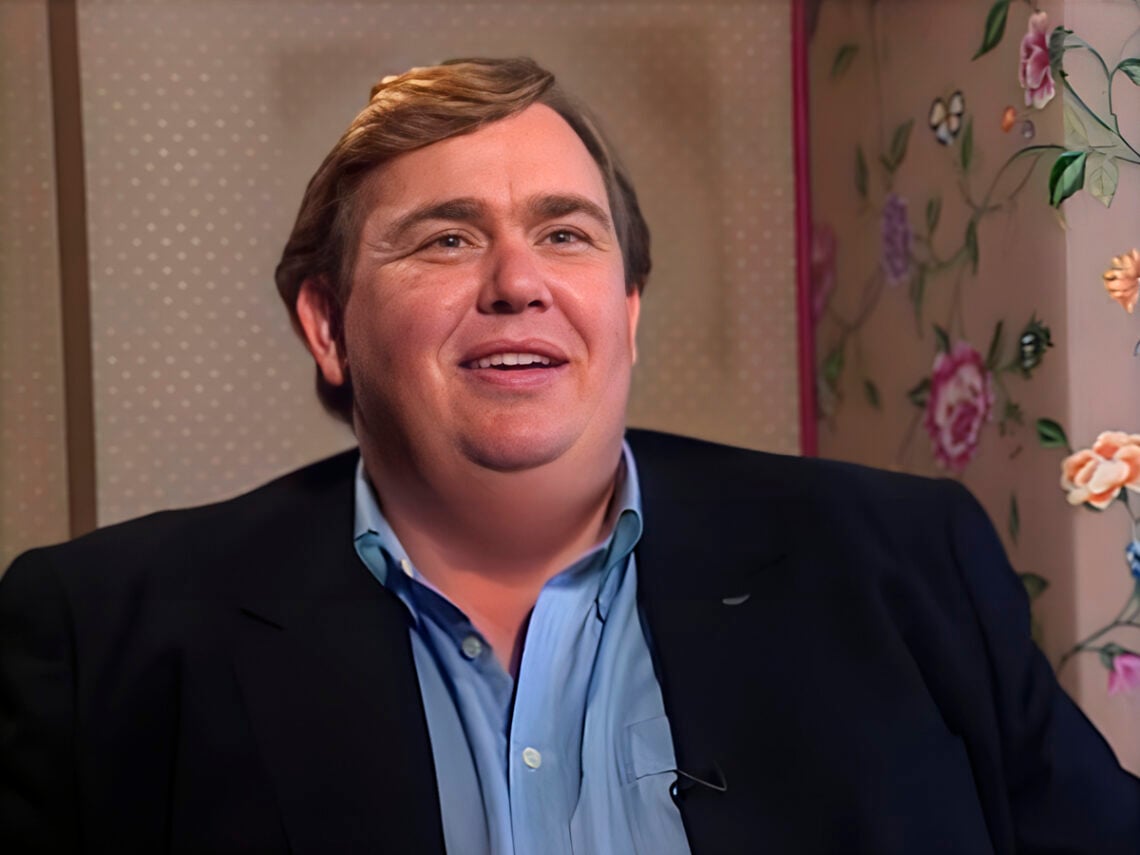
The Stephen King adaptation that almost starred John Candy: “We did reach out”

Rarely has the throwaway phrase ‘larger than life’ been more applicable to an actor than the Canadian comedy star John Candy, whose light burned twice as bright for half as long in a historic run of movies in the 1980s.
Candy, the recent subject of an acclaimed documentary called I Like Me, directed by Tom Hanks’ son Colin, was the former TV sketch comic who dominated mainstream comedy movies during that decade, including some classics written and directed by John Waters like Planes, Trains and Automobiles, Uncle Buck and The Great Outdoors.
He was in his 30s when Hollywood fame hit after a succession of roles in films including Hanks’ Splash, Brewster’s Millions and Bill Murray’s Splash, and the actor, who had struggled with his weight since an injury cut short a high school football career, lived about as frantic an existence as was possible while working, abusing cocaine and alcohol and smoking packets of cigarettes a day.
But his considerable size, along with his evident acting ability, was a key factor in many of the roles he landed during his peak, and so Candy leaned into it. In 1986, his lead part in a movie co-starring Eugene Levy came with the action comedy Armed and Dangerous, about a hapless, overweight security guard who was nothing short of a disaster on release.
With the film currently holding a 9% rating on Rotten Tomatoes, clearly the critics weren’t kind, and Ghostbusters actor and writer Harold Ramis, who had penned the script, campaigned to get his name removed from the project. Then, a few years later, the producers of a Stephen King adaptation called Thinner were looking for their leading man, for a character who accidentally kills a woman with his car, only for her father to curse him into endlessly losing weight, driving him to gluttony, seemingly thinking Candy would be ideal, despite it being more of a body horror than a comedy.
One of the producers, Mitchell Galin, later told Cinemablend: “We did reach out to [John] Candy’s people. For whatever reason, Candy was either busy or he didn’t spark to [the material]… I really have no idea. At some point, you punt it out there, if it doesn’t get the response you want, at the end of the day, I really don’t care.”
Which seems somewhat dismissive, given Candy may well have baulked at the idea of a movie that really essentially required a generic morbidly obese actor. It seems that he was King’s choice to play the role, with Galin suggesting the famous author thought that the part would help Candy lose weight.
By the early 1990s, the film had been in development hell for several years, and in March 1994, a few months before filming finally began using an actor called Robert John Burke in a fat suit, Candy died while making a movie in Mexico.
In the end, when the film was eventually released in 1996, it wasn’t really worth the fuss; it made a small profit on a budget of just under $10million, and critics were not impressed at all, not with the directing or the prosthetics, including Burke’s fatsuit.
