


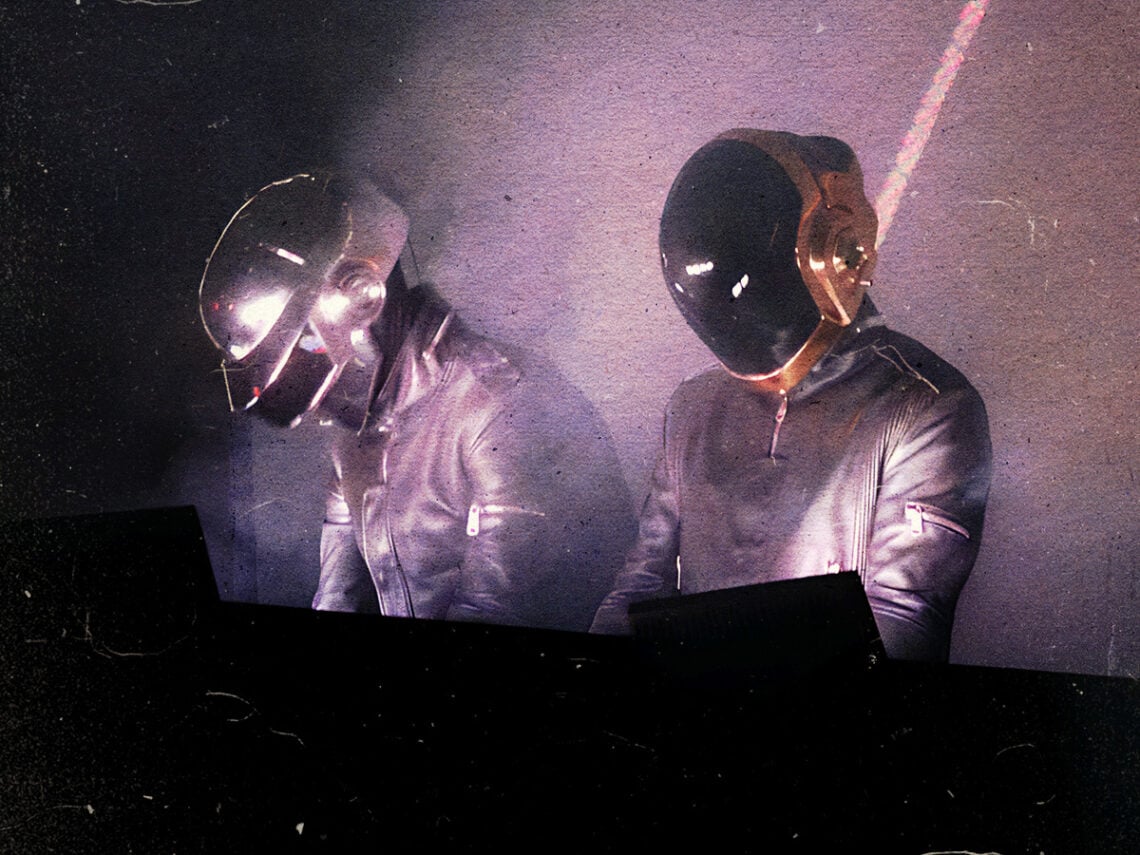
The curious story of Eddie Johns: The forgotten star Daft Punk owe over $1million

In 1978, advancements in the realm of disco and electronic music were rising to new heights, taking crucial elements from other corners to establish a sound that was both enticing and somewhat futuristic. The concept of Daft Punk wouldn’t have suited the landscape just yet, but this was also the year a certain artist paved the way for what would become their legacy—three decades later.
Eddie Johns led a troubled life and struggled to gain the kind of success deemed worthy with his particularly strong, albeit short discography, pushing him into financial strain, homelessness, and health problems. Born in Liberia, the musician recorded just two studio albums, both in Paris, though his recording career was cut short after issues with management, after which he slipped from the limelight.
Even though such a transition sadly wasn’t that noticeable given his struggle to gain any sort of exposure, a resurgence occurred years later when Daft Punk used one of his songs for their second studio album, Discovery, in 2001. The song, ‘One More Time’, samples Johns’ ‘More Spell on You’ though did not credit the musician in the liner notes, with no royalties going out where they’re due, despite him being the original creator.
However, this stemmed from a broader issue that was less concerned with the French duo’s desire for greed and had more to do with Johns’ disappearance. According to various sources, his whereabouts have remained unknown for decades, and despite Daft Punk’s payouts going to the publishing company that owns the rights to ‘More Spell On You’, he hasn’t received a semblance of the money owed for the success of the single.
An investigation by the Los Angeles Times in 2021 confirmed that when Johns was first made aware of the single, he didn’t care that much because he was no longer in the music industry. However, his knowledge increased over the years, particularly regarding the potential amount owed and the fact that he has yet to see a penny of it. In the article, it’s stipulated that this could range between the six or seven-figure mark, with Daft Punk potentially owing the singer over $1million in royalties.
“I just hope I can get some credit, you know?” Johns admitted, saying that his music is important and that he wishes to “give something to my daughter”. It’s unclear whether anything has changed since this interview, but it does point to a broader issue in the music industry, one that is far from common despite the uniqueness of Johns’ specific situation. With more artists than ever sampling the sounds of lesser-known acts, royalty payouts remain divisively unfair, made far more difficult when the sources themselves are nearly impossible to locate.
However, with so many unknowns when it comes to streaming and sales numbers, it also becomes a more ambiguous game of monopoly, where some higher-ups seem intent on avoiding the issue entirely so they don’t have to give others a cut of their successes. Further down, however, there’s a pool of artists and execs working hard to change this, all in an effort to make sure that people like Johns—despite Daft Punk’s good intentions—get credit where it’s due.
