


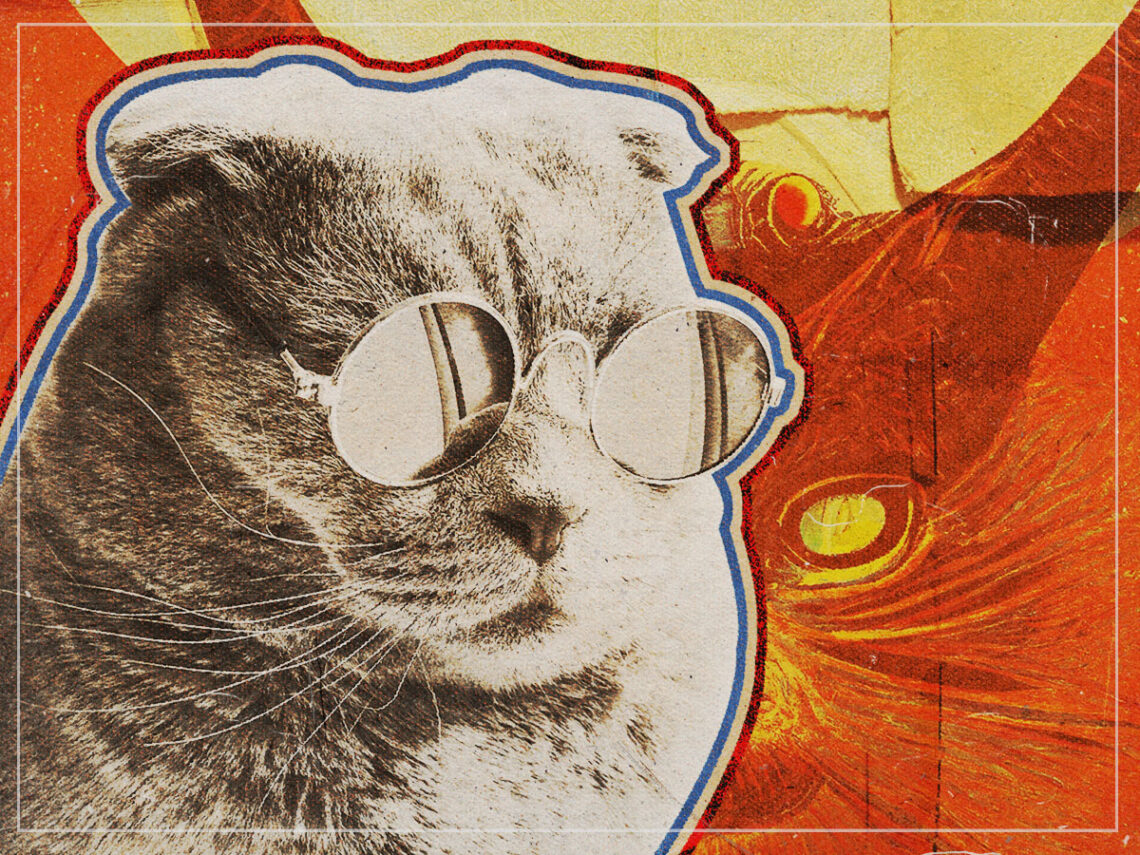
The song written from the perspective of a cat

When discussing cats in music, the common associations usually veer toward holiday chart-toppers or catchy TikTok tunes. Either way, it’s often linked with deep annoyance rather than anything resembling artistic depth. However, Canadian rock group The Weakerthans flipped this narrative when they crafted a poignant narrative around a cat named Virtute, delivering an unexpectedly heartfelt tale of tragedy.
In 2003, John K. Samson left his drumming duties in Canadian punk-rock band Propagandhi to focus on his solo music. With The Weakerthans gaining traction from their initial albums – 1997’s Fallow and 2000’s Left & Leaving – the release of Reconstruction Site in August 2003 marked a turning point in Samson’s musical journey.
Benefiting from the band’s earlier successes and a significant signing with Epitaph Records, Reconstruction Site swiftly became The Weakerthans’ most celebrated work, both commercially and critically. Among its highlights was ‘Plea From A Cat Named Virtute’, a poignant song narrated from the perspective of a cat grappling with its owner’s deepening depression.
Although it sounds like a rather harrowing John Lewis advert, the song wasn’t just a showcase of lyrical prowess, but it also arrived with a long-lasting and profound emotional impact. When Reconstruction Site was first released, a trilogy spanning 13 years wasn’t something that anybody expected. What’s more, while the first instalment, ‘Plea From A Cat Named Virtut’, was a strong starter, it became overshadowed by the response to the subsequent chapter of the story.
The Weakerthans’ 2007 album Reunion Tour, their final studio release before an extended hiatus and eventual disbandment in 2015, featured what many consider one of the most heart-wrenching tracks ever crafted. ‘Virtute the Cat Explains Her Departure’ delves deeper into the narrative, portraying the owner succumbing to a deepening depression and subsequently neglecting Virtute at every turn.
This neglect creates a rift between them, as the owner spirals into despair while Virtute grapples with growing loneliness. However, there is one glimmer of hope amid the darkness: memories – and trauma – can eventually fade away. In the final line, where Virtute can no longer remember her name, delivered through the gut-wrenching words, “I can’t remember the sound that you found for me”, we’re reminded of the tragedy of loss, but that it eventually transitions into acceptance.
Although this song seemed like the final chapter in Virtute’s story, Samson unveiled a new segment in 2016 when he dropped his second solo album, Winter Wheat. The closing track, ‘Virtute at Rest’, traces Virtute’s resurrection in the thoughts of her healing owner, who grapples with past happenings and yearns for the comfort and reassurance once provided years ago.
Stirring up nostalgia, trauma, and comprehension in a track that could give the saddest song in history a run for its money, ‘Virtute at Rest’ captures a sense of conclusion, amplifying the impact of every meticulously chosen phrase. Samson’s voice, carrying both distress and certainty, teeters delicately, poised to yield to the immense gravity of his creation, gently drawing it to a poignant conclusion.
