


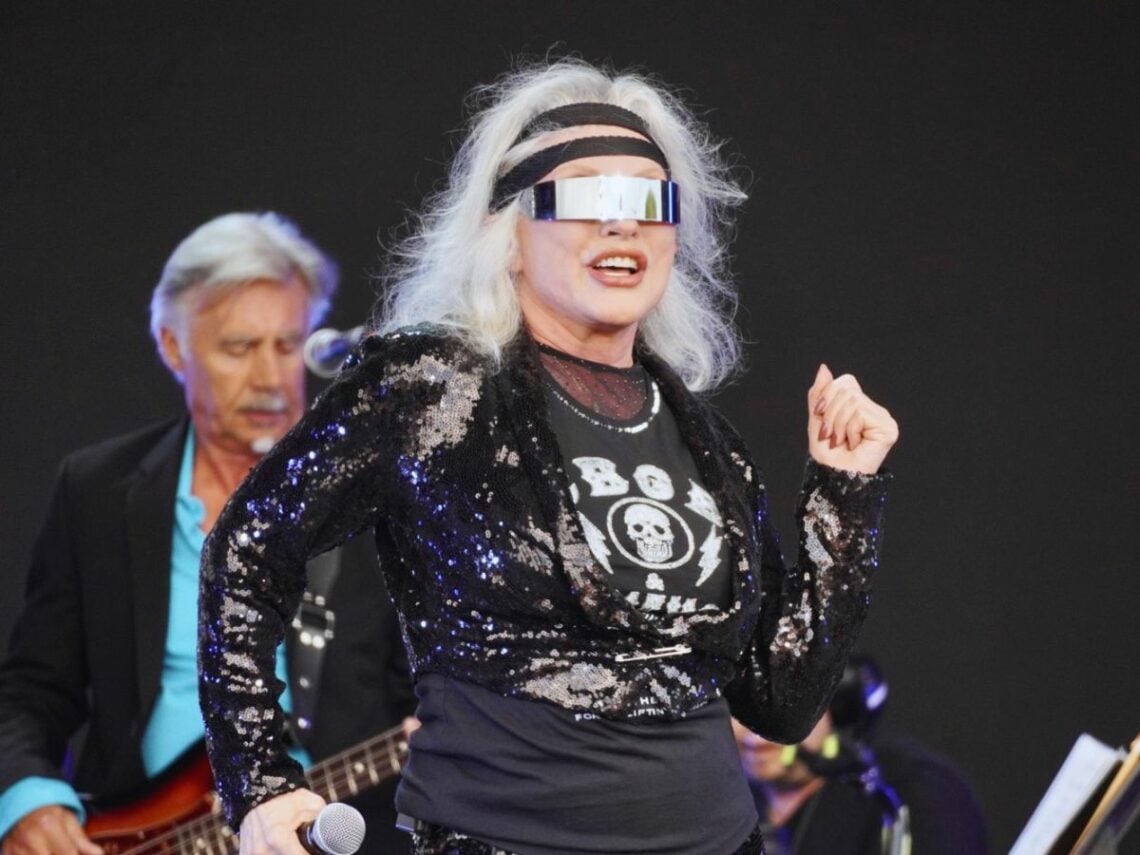
The song that showed Debbie Harry how to be a great performer

As Debbie Harry debuted in the rock and roll scene of the 1970s, she probably didn’t foresee the illustrious journey that would become a source of inspiration for countless women. In an industry often swayed by the male perspective, emphasising her appearance, astute music aficionados recognised her genuine essence as a masterful musician.
As she rose to prominence, Harry joined a scene already vibrant with the iconic contributions of Joan Jett, Patti Smith, Linda Ronstadt, Exene Cervenka, and numerous others. They all aimed to defy conventional standards of feminine beauty while forging a new path for women musicians in the industry. As the punk movement gained momentum, it awakened numerous marginalised women who found an outlet for their pent-up rage.
As the frontwoman of Blondie, Harry gained popularity for her confident stage presence and ability to bring hit songs to life on stage. After the band launched their eponymous debut album, achieving modest success, Harry’s iconic bleach-blonde hair became her signature, solidifying her reputation and that of the band as they regularly performed at underground venues such as CBGBs.
However, with the release of their third album, Parallel Lines, the band transcended the underground scene to become a global sensation. Channeling the vitality of New York’s defining punk movement, Blondie infused diverse genres into their music, setting them apart. Disco dominated the club scene, led by artists like Donna Summer and Chic, enjoying immense popularity.
Blondie seized this opportunity, crafting music that merged disco with punk and pop elements, ultimately earning widespread recognition worldwide. Harry’s groundbreaking role as the lead vocalist, exuding a bold sense of femininity while dominating the stage, was revolutionary. In her memoir, Face It, she expressed: “I was playing up the idea of being a very feminine woman while fronting a male rock band in a highly macho game. I was saying things in the songs that female singers really didn’t say back then. I wasn’t submissive or begging him to come back, I was kicking his ass, kicking him out, kicking my own ass, too.”
In a feature in The Guardian, Harry talked about several songs tied to various memories, one of which marked the moment she recognised the prowess of exceptional performers. She cites Screamin’ Jay Hawkins’ ‘I Put A Spell On You’ as the track that solidified this notion within her mind: “Screamin’ Jay Hawkins was just terrific. Outrageous, bizarre, eccentric – all of the things you need in a great artist and performer. Elvis and Jerry Lee happened around the same time, but Screamin’ Jay was more on the outside, not as commercial and viable.”
She continued: “And yeah, I’d have loved to have seen him on TV, but I don’t think he was really available at that point, if you know what I mean! You could hear what a personality he had on the radio anyway. Radio played a very important part in me having access to music as a kid. There were so many diverse radio stations in the New York area that I got a great listening education.”
