


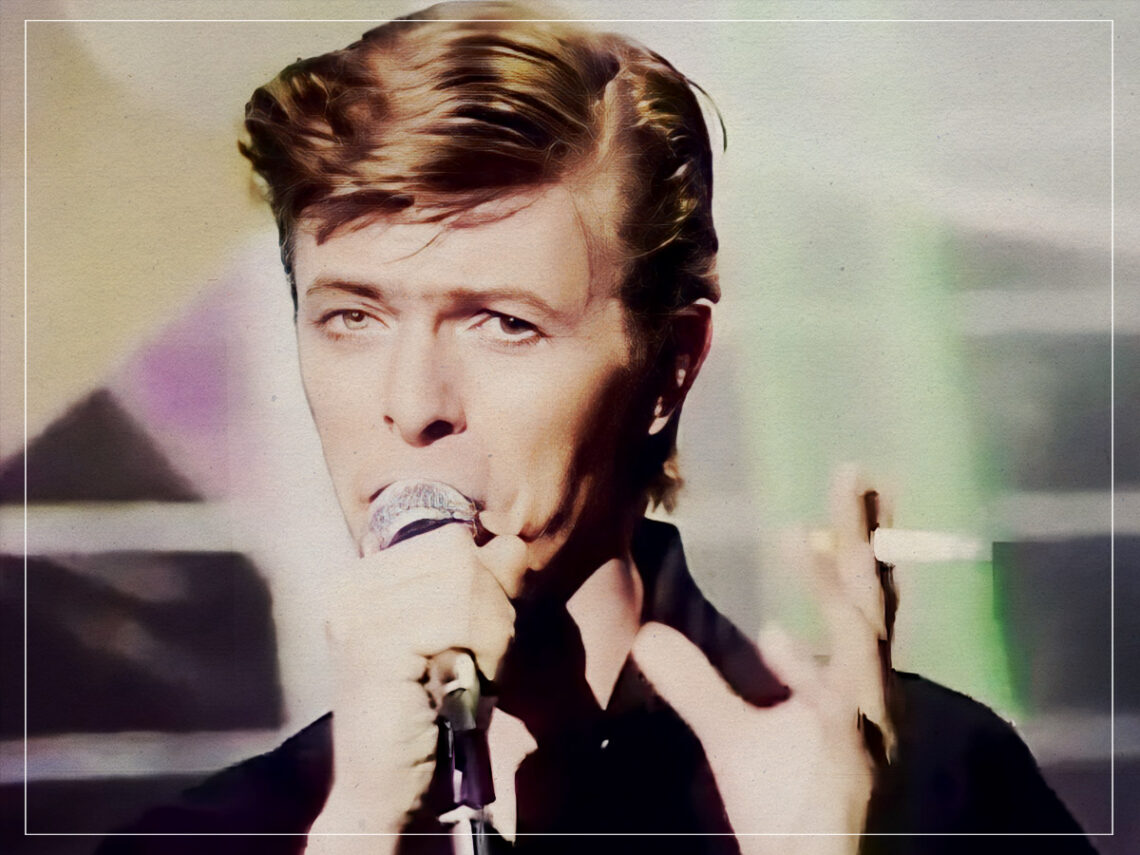
The song that made David Bowie leave his first band: “Unlike anything”

It’s never an easy decision for someone to walk away from the musical lifestyle. The whole idea of joining a band is about channelling a shared passion for music under one roof, and when someone decides to leave, it’s usually due to a personality clash or the realisation that their heart simply isn’t in it the same way as their bandmates. David Bowie was always in music for the long haul, but he understood that not everyone shared his eclectic sensibilities when he stepped onstage.
Before the Starman crashlanded on Earth, though, he was already toying with what the idea of a rock and roll star could be. The whole point behind his first album was to bring vaudeville into the public consciousness, but when that went over, as well as bringing a firearm into Woodstock, Bowie figured the best way for him to channel his artistry was to make songs that searched for new musical territory.
While he eventually settled on glam rock as his medium of choice, he was never afraid to branch out when he wanted to. Station to Station was his first attempt to embrace kraut rock, and even in his final album, Blackstar, he was still messing around with different sounds that worked for him, including a fantastic brass section and pulling from the greats of the jazz world.
As the rock and roll revolution started in England, plenty was also found in the soul world. Motown Records had already been churning out hits in the US for years, but when Bowie started incorporating that style into his sound, he was pulling from the greats from Philadelphia, even managing to get a young Luther Vandross to sing on the album Young Americans before he became a household name.
Regardless of what region of soul you fell under, though, Marvin Gaye was always something special. Outside of his major hits, albums like Let’s Get It On and What’s Going On were some of the greatest musical statements about the state of the world, with Gaye bringing some genuine heartache when it came to everything from intimacy between two lovers to the great injustices of society.
While Bowie was one of the first people to fall in love with Gaye’s music, he knew he had the wrong bunch of people when they shot down covering some of his tunes live, saying, “In fact, the reason I left my very first band, The Kon-rads, was that they wouldn’t do Marvin Gaye’s ‘Can I Get A Witness?’. It had been a major thing for me in my youthful days. And it all came back with a vengeance, seeing it for real in the States. It was unlike anything I’d seen or witnessed before.”
And after making gender-bending music throughout the 1970s, bringing in Carlos Alomar as a collaborator was what made Young Americans work so well. ‘Fame’ might be famous for having a co-writing credit from John Lennon, but the way Alomar played guitar gave Bowie his own version of Nile Rodgers before he worked with the Chic guitarist later down the line in the 1980s.
It might not have been necessarily rock and roll, but that didn’t seem to matter to Bowie. He knew that if a song could make the people move, it was worth having around, and after attacking the audience every time he brought out ‘Aladdin Sane’ or ‘Ziggy Stardust’, he realised that he didn’t have to create characters if he found the right groove.
