


The song that liberated Green Day

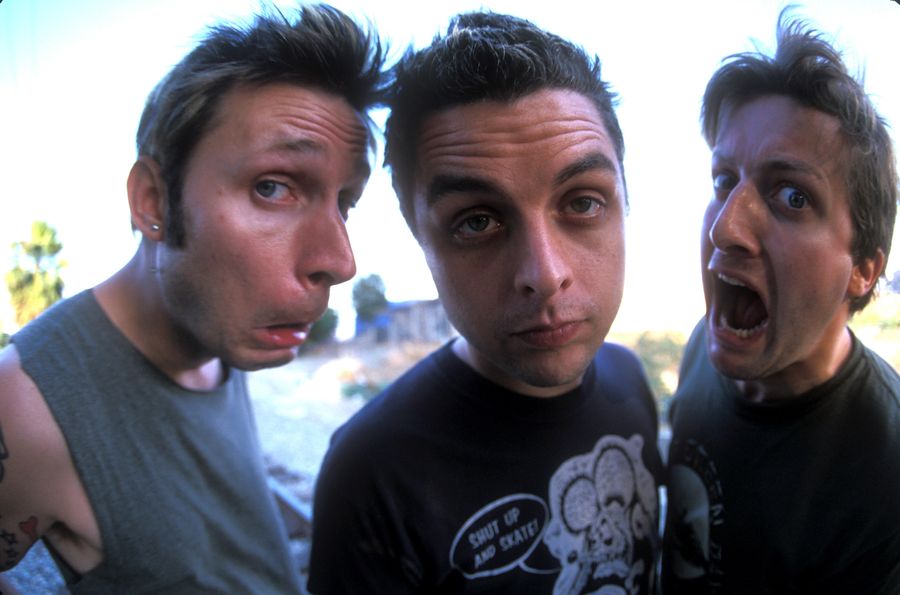
Green Day had already escaped the stifling purity of the punk rock scene by 1997. With the mainstream success of Dookie, the Bay Area trio landed major visibility and harsh criticism from figures in their hometown who saw the band as sell-outs. In an effort to establish themselves outside of the confining space of punk rock, Green Day released the stylistically diverse LP Nimrod, featuring genres as diverse as folk, surf, and ska.
Also included on Nimrod was the acoustic ballad ‘Good Riddance’. Billie Joe Armstrong had written the song a half-decade before in response to one of his first romantic relationships coming to a swift and bitter end. Green Day occasionally performed the track live as early as 1994, but the softer dynamics of the song had no place on either Dookie or Insomniac.
Once ‘Good Riddance’ was eventually released, it represented a final wave goodbye to the strict punk rock adherence that Green Day had long sworn off. Although it had clear pop appeal and was a step away from the band’s signature sound, ‘Good Riddance’ had the additional benefit of staying true to Green Day’s songwriting process and attitude towards their own music.
“The real irony is that for years and years, when people think of us, they think of our heavy guitars and the sounds we’ve had on our records. But we’ve written most of our songs on acoustic guitars,” Mike Dirnt explained. “When we wake up in the middle of the night write a song, Billie doesn’t run to his amp and plug in his guitar. He picks up an acoustic guitar and starts jamming on it.”
Initially, the release of ‘Good Riddance’ and its subsequent entry into mainstream pop culture reignited the criticism that had followed America’s biggest punk band from genre purists. In the long run, however, Armstrong believed that the song was the skeleton key that opened up the doors for Green Day to try out any genre that they pleased.
“I think ‘Good Riddance (Time Of Your Life)’ has really freed us up, in a lot of respects, to be able to do different things,” said Armstrong in 2000. “To get into more sensitive content without feeling like you’re selling yourself out. Or that you’re doing something because you need a hit.”

Never Miss A Beat
The Far Out Punk Newsletter
All the latest Punk content from the independent voice of culture.
Straight to your inbox.