


The song that inspired Lindsey Buckingham to become a rock star: “It was just mind-blowing”

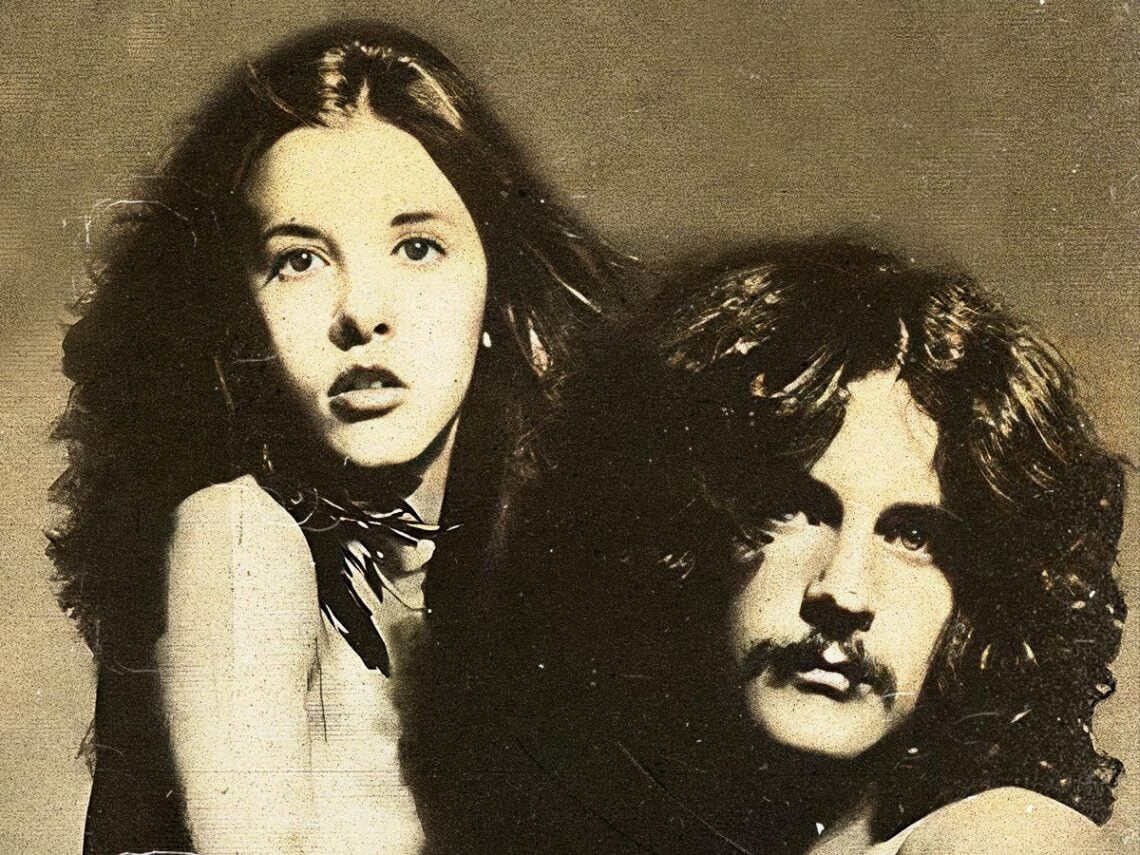
The life of Lindsey Buckingham epitomises rock ‘n’ roll to such an extent that if it were fictional, the editor’s notes would be to scale things back a little bit to make them more believable. The songsmith from California first emerged with his then-partner Stevie Nicks in 1973 and when their record peaked at 28 in the US charts, they could hardly have imagined the impact that they would soon have on rock ‘n’ roll.
However, long before they started spreading Rumours with Fleetwood Mac in the late 1970s, Buckingham was coaxed towards the dramatic genre by a song and a star that captured the world’s attention, smashing stilted conservatism to smithereens in a manner that Fleetwood Mac were all too happy adhere to years later. “Without him, I probably wouldn’t be doing what I’m doing,” Buckingham told Guitar when eulogising The King.
“I was only six when Elvis Presley came on the scene with ‘Heartbreak Hotel’. It’s hard to even characterise how impactful that was,“ he continued. “At six years old, I wasn’t in any position to be buying hundreds of 45s, but my brother, who was seven years older, came home one day and said, ‘Hey, there’s this new singer out there named Elvis Presley and he’s really cool.’ The deep meaning of rock ’n’ roll was suddenly that young people had their own music, so to hear this guy singing, and to see what it looked like, it was just mind-blowing.”
Prior to that, his parents had just been piping the sound of the South Pacific soundtrack into the living room – and they weren’t alone; the musical’s accompanying LP was one of the best-selling albums in history at the time, so you can imagine how revolutionary Elvis proved. Suddenly, young Buckingham was looking out for the likes of Chuck Berry and Jerry Lee Lewis rather than just taking what was served by the adults, largely thanks to his older brother, Jeff.
There was a lesson from Elvis that he would always carry with him, even with Fleetwood Mac. “I wasn’t looking at Elvis like ‘I wanna be that’,” he explains. “It wasn’t the iconic James Dean look that was drawing me, it was more just the overall presence of what it seemed to represent: the freedom, the possibility, the freshness. He was such a role model, with his Martin guitar – the whole package was just so incredible.”
So, when he finally started producing his own art as a guitarist, he was never one to want to show off musically; he simply wanted to provide attitude and hits that would impact people. ”That’s what I would gravitate to, you know, over just ‘Listen to me play…’” he opines.
As he once said of his own style, ”I’m not that knowledgeable with the guitar – I just find ways that are pretty creative, but it’s all within the framework and the limitations of what I can do.”
