


“How evil people coud be”: The song Robert Smith wrote to stop being goth and lose fans of The Cure

Following their formation in the late 1970s, The Cure spun webs to dominate a notably gloomy corner of the post-punk cave. It was a move that would entrap and, almost always, entomb a generation of listeners who had grown dissatisfied with the mainstream.
The debut album, 1979’s Three Imaginary Boys, was rather misrepresentative of the early Cure sound, a mix of more traditionally energetic punk compositions and a crude cover of Jimi Hendrix’s ‘Foxy Lady’, but the so-called ‘Dark Trilogy’ was soon to follow.
Beginning with Seventeen Seconds, the home of ‘A Forest’, the trilogy gathered bleak intensity towards its calamitous yet highly-praised masterpiece album of 1982, Pornography. The album saw The Cure at their best creatively, with a trailblazing gothic aesthetic void of single-worthy “pop” hits, with the exception of ‘The Hanging Garden’.
If you wanted a quick summary of exactly what the band were all about in ‘82, then you need only hear one of the first lines of the album: “It doesn’t matter if we all die…” That song, ‘One Hundred Years’, is one of many songs highlighting The Cure’s direction and purpose. The album is only eight tracks long, but every aspect of gothic rock is covered. There are the themes of sex through the track ‘Siamese Twins’, drugs on ‘A Short Term Effect’ and the impending dread of death in pretty much every song.
The verdant creepers of Pornography were cultivated from a decidedly rough patch for the band on a personal level. Amid unrestrained alcohol and LSD abuse, creativity rode high, but tensions began to throb in and between the members. Crucially, this led to bassist Simon Gallup’s temporary dismissal and a subsequent hiatus from the band, during which Robert Smith joined Siouxsie and the Banshees.
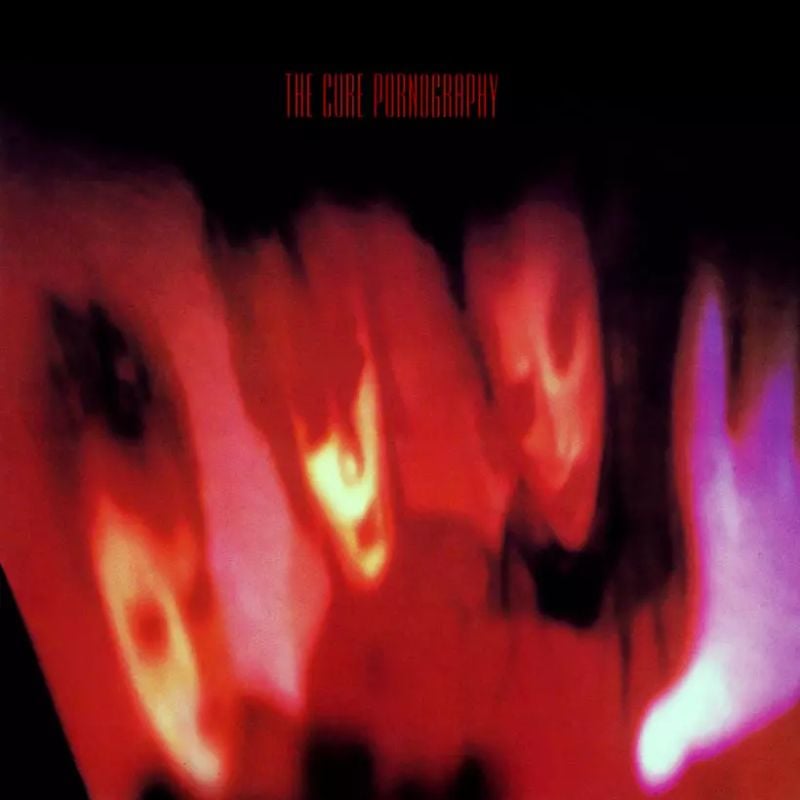
“We immersed ourselves in the more sordid side of life, and it did have a very detrimental effect on everyone in the group,” Smith reflected on Pornography in a 2004 feature with Rolling Stone. “We got ahold of some very disturbing films and imagery to kind of put us in the mood. Afterwards, I thought, ‘Was it really worth it?’ We were only in our really early twenties, and it shocked us more than I realised – how base people could be, how evil people could be.”
Continuing, the frontman discussed how the band’s fourth and darkest album is a favourite among die-hard fans as an esoteric slice of gothic indulgence. “There is a certain type of Cure fan who would hold Pornography in greater esteem than anything else we’ve ever done, but, at the time, most people hated it,” Smith admitted. “They’re the only songs we’ve ever played where people would walk out or throw things. But then we probably were not that good on stage [laughs].”
“I don’t have particularly fond memories of Pornography, but I think it’s one of the best things we’ve ever done, and it would have never got made if we hadn’t taken things to excess,” Smith added, revealing his feelings about the album. “People have often said, ‘Nothing you’ve done has had the same kind of intensity or passion.’ But I don’t think you can make too many albums like that because you wouldn’t be alive.”
During The Cure’s hiatus in the early 1980s, Smith and drummer Lol Tolhurst recorded several interim tracks for a compilation album and follow-up to Pornography titled Japanese Whispers. A far cry from the ‘Dark Trilogy’, this LP would humour more upbeat radio-friendly tracks, including the singles, ‘Let’s Go to Bed’, ‘The Walk’ and ‘The Love Cats’.
Career suicide?
‘Let’s Go to Bed’, the first single released after Pornography in 1982, was seen as career suicide by some executives at Fiction Records. However, alienating The Cure’s cult following was just what Smith had in mind.
“It took me a few weeks to recuperate in the bedroom I had grown up in because I was like totally gone. And I decided to be a pop star [laughs],” Smith said, reflecting on his detox period following Pornography.
“When I took ‘Let’s Go to Bed’ to Fiction and played it to them, it was like silence,” he continued. “They looked at me, like, ‘This is it. He’s really lost it.’ They said, ‘You can’t be serious. Your fans are gonna hate it.’ I understood that, but I wanted to get rid of all that. I didn’t want that side of life anymore; I wanted to do something that’s really kind of cheerful. I thought, ‘This isn’t going to work. No one’s ever gonna buy into this. It’s so ludicrous that I’m gonna go from goth idol to pop star in three easy lessons.'”
As we know, where Smith’s mental health and bank balance were concerned, this was one of the wisest decisions he ever made. With the critically endorsed ‘Dark Trilogy’ in the bag, The Cure redefined their sound for wider consumption while never totally severing ties with their trademark of dark melancholia.
By the early 1990s, following the release of hit albums like The Head on the Door and Disintegration, the band had begun to enjoy packed-out stadium tours. I say “enjoy,” but Smith and the band were also somewhat irked by the scale of their eventual fame. After playing in front of 44,000 people at the New York Giants Stadium in 1989, Smith reflected glumly, “It was never our intention to become as big as this.” Still, it beats being dead, right?
