


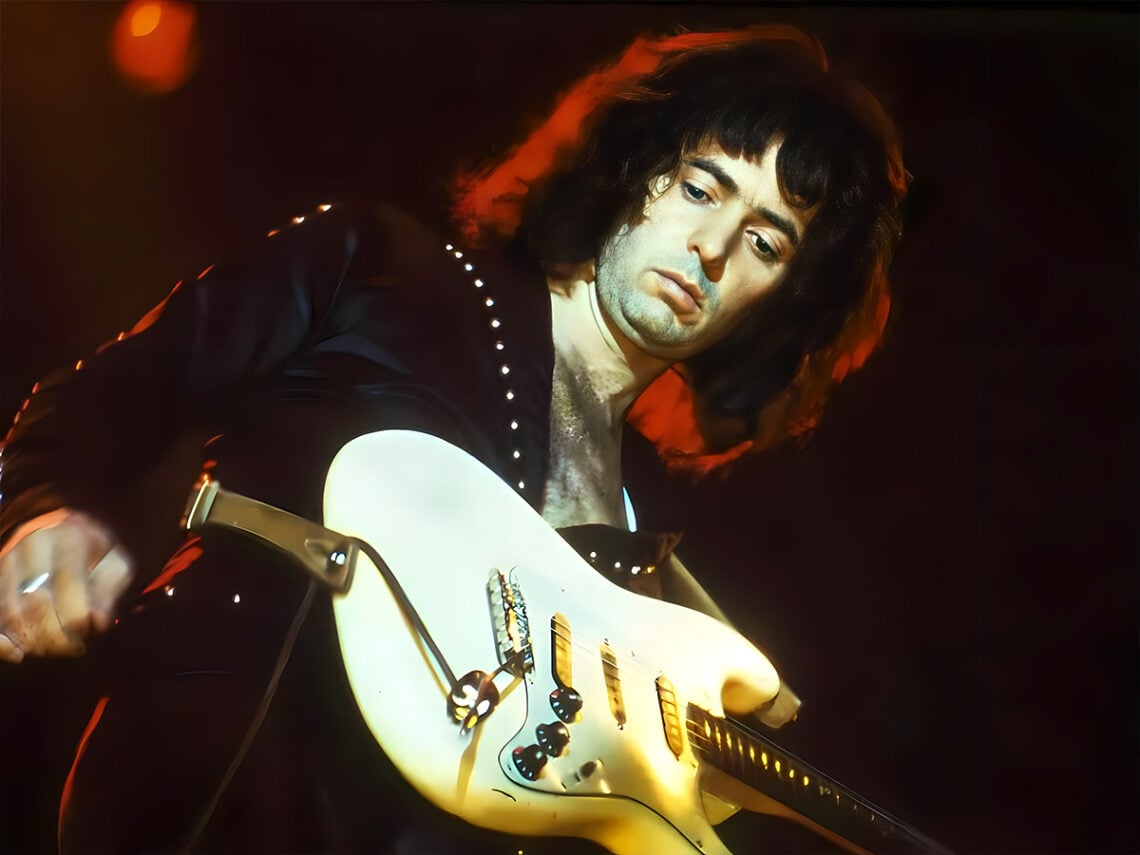
The 1966 song that left Ritchie Blackmore in awe: “This shouldn’t be allowed”

Classic rockers tend to dominate lists of the most influential and innovative guitarists of all time.
Brian May usually finds his way into the top ten, finding praise for his grand contributions to the glam stylings of Queen. Jimmy Page makes an appearance for his work with Led Zeppelin, while Jimi Hendrix rises the ranks for his pioneering usage of feedback. And somewhere in between, you might find Ritchie Blackmore.
While he is sometimes overshadowed by some of his contemporaries in popular discussions, Blackmore’s influence on hard rock and heavy metal is difficult to overstate. His fusion of blues, classical flourishes and sheer aggression helped shape the sound of countless guitarists who followed.
As the lead guitarist for London-born rockers Deep Purple, Blackmore carved out a place for himself as a guitar great in the late 1960s and early 1970s. He concocted bluesy riffs to work alongside their more rocking elements, creating some truly stellar guitar lines in the process. Perhaps most notably, he created the band’s signature hit, ‘Smoke on the Water’, which begins with one of the most memorable riffs of all time.
Given his own stature within the history of the instrument, Blackmore seems well-placed to pick out other players who he believes innovated the guitar. Perhaps unsurprisingly, he once named fellow 1960s rocker Jeff Beck as his favourite musician to take on the instrument, praising his ability to ring a note and to express himself through the instrument.

Before Blackmore found his place in Deep Purple, Beck was beginning to earn his own place among the guitar greats with the Yardbirds, a band that would produce several members deemed worthy of that title. Beck joined the band in 1965, recommended by Jimmy Page, and replaced Eric Clapton on the guitar. He would spend just one year with the band, departing in 1966, but during this time, his playing captivated Blackmore.
One day, the Deep Purple guitarist was in Hamburg, Germany, when he first stumbled upon the band’s 166 song ‘Shapes of Things’. He was stunned. “I thought, ‘My God, who the hell is this?’” he recalled in an interview shared on the official Rainbow YouTube channel, “‘This shouldn’t be allowed. It’s too good.’” The song converted Blackmore immediately, who declared himself a fan ever since.
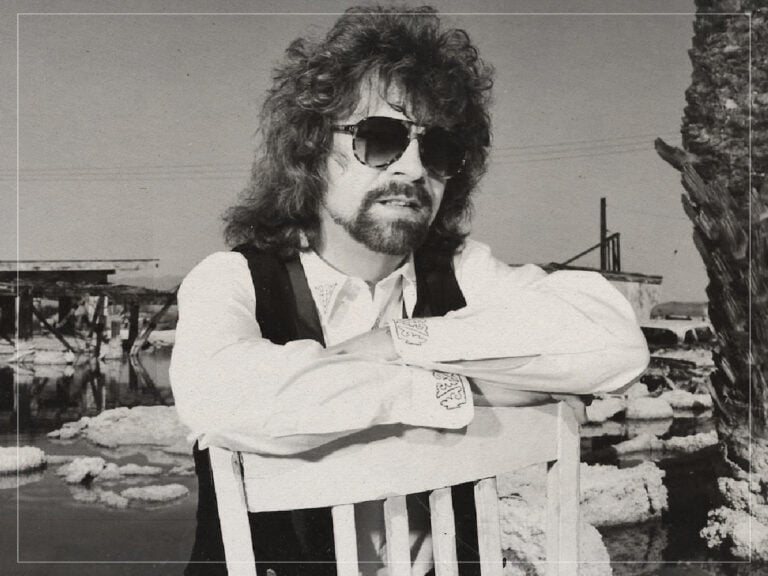


‘Shapes of Things’ combined psych-rock twangs with lyrics that reflect on the destruction and displacement of war. “Come tomorrow, will I be older?” they ask, “Come tomorrow, may be a soldier, come tomorrow, may I be bolder than today?” The lyrics were bold within themselves, but the star of the show sonically was Beck on guitar. He delivers a blistering performance full of feedback and confidence, which took Blackmore aback.
“Jeff cheats on the guitar,” the Deep Purple player joked, “Because he has notes that I don’t have on my guitar, so. That’s okay. I’ll let him go on that one. But he knows how to ring a note.” Not only did he praise his ability to ring a note, but Blackmore suggested that Beck’s “soul” came through both his tone and notes, concluding that he was his favourite guitarist.
On tunes like ‘Shapes of Things’, it’s easy to see why Blackmore holds Beck in such high esteem. It drives the song and pushes the instrument forward, showing off Beck’s personality through the guitar. Blackmore wasn’t the only person who was stunned by the Yardbird’s talent with the instrument, as Beck became one of the most acclaimed and esteemed guitarists of all time.
It wouldn’t be long before Blackmore joined him on that list, evoking the same awe out of the budding guitarists that followed him.
The admiration between Blackmore and Beck also highlights an important truth about great musicians: they are often each other’s biggest fans. While both men would go on to leave enormous marks on rock history, Blackmore never forgot the shock of first hearing ‘Shapes of Things’. For a guitarist who inspired countless players himself, few compliments could be greater than admitting another musician made him stop and wonder how such sounds were even possible.

Never Miss A Tale
The Far Out Classic Rock Newsletter
All the latest Classic Rock content from the independent voice of culture.
Straight to your inbox.