


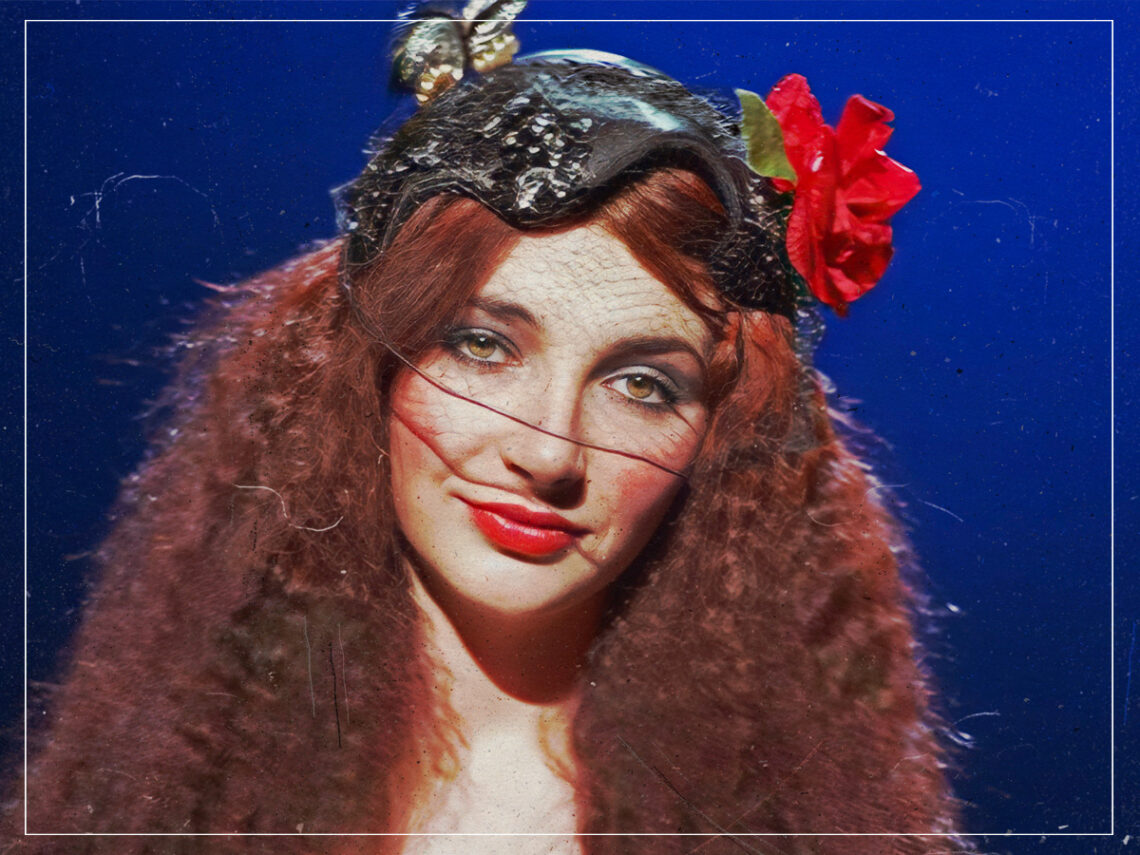
The song Kate Bush sorely regrets: “It’s such an old song”

Even the coolest, most avant-garde musicians have embarrassing moments. Unfortunately for them, however, it’s usually the perils of maturing that make them look back at certain moments and cringe. Why do you think Alex Turner once said performing old tunes felt like he was doing a poor karaoke impression of a band he was never even in? Somehow, Kate Bush knows exactly how he feels.
Weirdly, this almost always differs from the perspective of the audience. While maturing is a natural thing for a musician to do, it often creates a barrier between themselves and their earlier art, like looking back at an old university assignment and wondering why they thought it would make sense to use certain words or sentence structures. We grow up and realise the errors in our ways. But what about when this is the same for something as well-liked as Whatever People Say I Am, That’s What I’m Not?
Well, that’s another debate entirely. But for Kate Bush, things weren’t too dissimilar. Bush established a specific kind of abstract, off-kilter artistry from the beginning, equally surprising and delighting audiences from the moment they discovered The Kick Inside. At just 19 years old, Bush set a new path for all those who wanted nothing more than to bring the spark back to storytelling in music, inspiring countless others to follow in her path, like Fiona Apple, who was so obsessed with ‘Feel It’, ‘Moving’ and ‘Wuthering Heights’ that they later shaped her own music.
But then Bush released Lionheart, the album that unknowingly sparked a lesson in artistic independence for a very frustrated Bush, who barely had a good word to say about it the moment it went out into the wide open. “I wasn’t powerful enough basically to be able to say, ‘Look, I’m producing this myself. This is what I do.’ And that’s what I do now,” she later said, which probably also explains why she can’t listen to some of the songs, like ‘Oh England My Lionheart’.
“Do you like that one? It makes me just want to die. It’s such an old song,” Bush said to then-Q writer Stuart Maconie in 1993. When asked if she found it difficult to listen to older stuff, she added: “My God, loads. Absolutely loads.” Why? Did her experience working on the album taint her view of it, or was it that pesky irritation that comes with looking at stuff you did when you were younger? Well, when she elaborated, she revealed it’s a mix of both.
“Either the lyric’s not thought out properly, or it’s just crap, or the performances weren’t well executed,” she admitted. “But you have to get it in context. You were doing it at the time, and it was the best you could do then. You’ve got to live with it. Some of those early songs, though, you think, ‘What was I thinking about? Did I write that?'”
While Bush and countless others would probably do anything to erase certain parts of their discography, there’s always a consensus that they’re best left as they are, especially as parts of the story that are equally as (if not more) significant than their successes. After all, without all the hues of Bush’s story, would we really understand her appeal as much as we do now? Would we be so engrossed in her journey as one of the most well-adjusted, contemporary-aligned innovators of our times? Probably not.
