


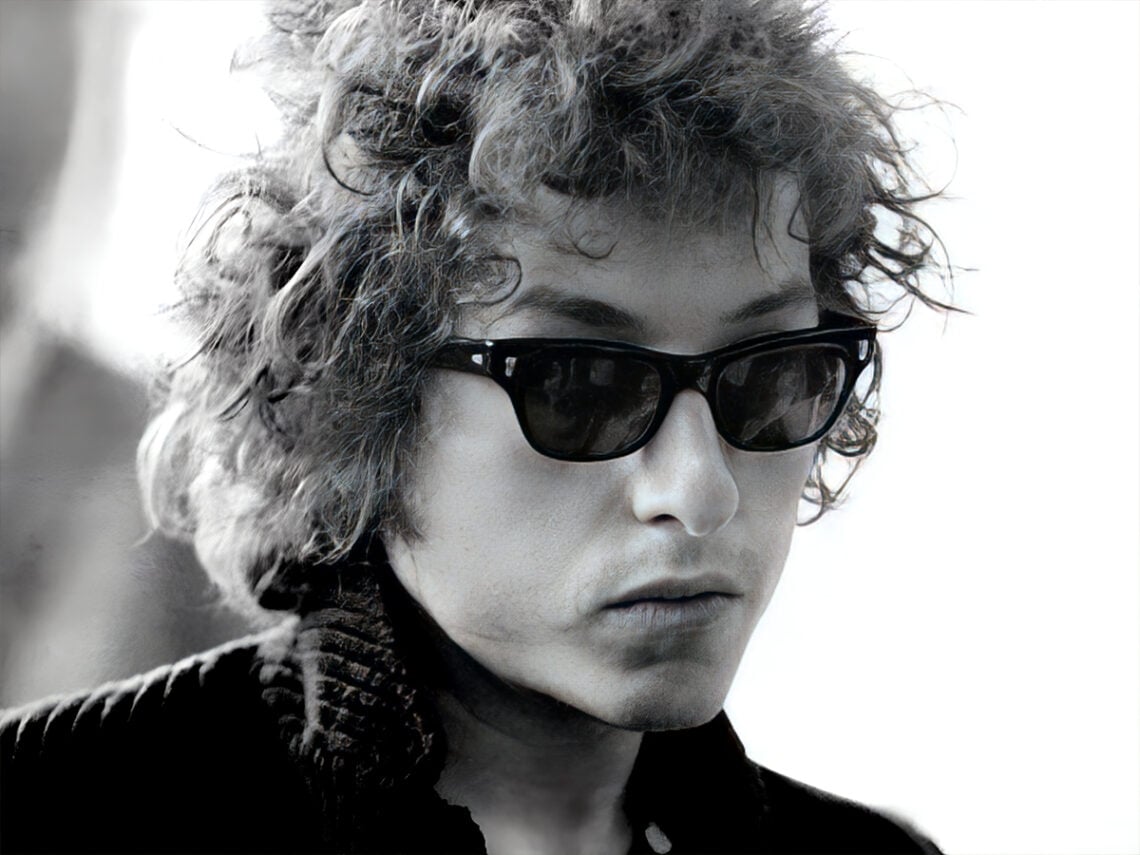
The song Bob Dylan he said he “never written like before”

One of the biggest dangers of being an artist is doing the exact same thing twice. Even though fans might be waiting on the sequel to any of your songs, there’s always a risk of becoming known for one particular genre of music and never rising beyond what your fans expect out of you. While Bob Dylan had already been around the block as a songwriter before he hit it big, he thought one of his first protest tunes was beyond anything he had ever put to tape.
For all of the window dressing put around Dylan’s legacy for the past half-century, though, he never wanted to be known as the voice of his generation. While he may have followed in the footsteps of many legends of the past, like Pete Seeger and Woody Guthrie, Dylan wanted to make his living as a humble songwriter, making tracks that felt like a reflection of what he saw every day.
Just like Guthrie, Dylan wasn’t trying to preach from a pulpit most of the time. If you listen to a lot of the folk songs that he would become known for, like ‘Blowin’ In the Wind’, he’s looking to raise questions rather than give any clear answers, probably because he knows that most of those questions don’t have clear solutions.
As Dylan first started putting his protest cap on, America was in the midst of one of the most vicious wars that had ever faced. In the wake of World War II, still fresh in people’s minds, the rise of the Vietnam War brought with it millions of protestors who did not want to send their children off to a foreign country to die.
Immediately inspired by the kind of fat cats in Washington looking to count their money as men lie bleeding half a world away, Dylan wrote ‘Masters of War’ as a condemnation of what warfare means to the man on the street. As far as long Dylan was concerned, those warmongers were the true scum of the Earth, casting down shame on them with every lyric and talking about them getting their just due when being judged in the afterlife.
Even though Dylan inadvertently wrote the kind of song on everyone’s mind at the time, he admitted that he didn’t know if the angle truly worked for him most of the time. Instead of the kind of questioning folkie that he had been on his first album and a handful of hits, this was the first time Dylan was preaching about his own feelings, playing the kind of judge, jury and executioner figure to these demons in business suits.
Looking back on ‘Masters of War’, Dylan thought the song was completely removed from his entire discography, saying, “I’ve never really written anything like that before. I don’t sing songs which hope people will die, but I couldn’t help it with this one. The song is a soft of striking out, a reaction to the last straw, a feeling of what can you do?”.
If he’d never written something like that before, though, Dylan would pick up pretty quickly in the next few years. From his folk roots to embracing rock and roll, Dylan would be happy to move into more pointed territory in his next songs, either documenting the times again or going against the press that dissects him on tracks like ‘Ballad of a Thin Man’. It might not be the most moral thing in the world to wish death upon someone, but despite the morbid subject matter, ‘Masters of War’ was still a game-changer for everyone looking to rebel against The Vietnam War.

Never Miss A Tale
The Far Out Bob Dylan Newsletter
All the latest stories about Bob Dylan from the independent voice of culture.
Straight to your inbox.