


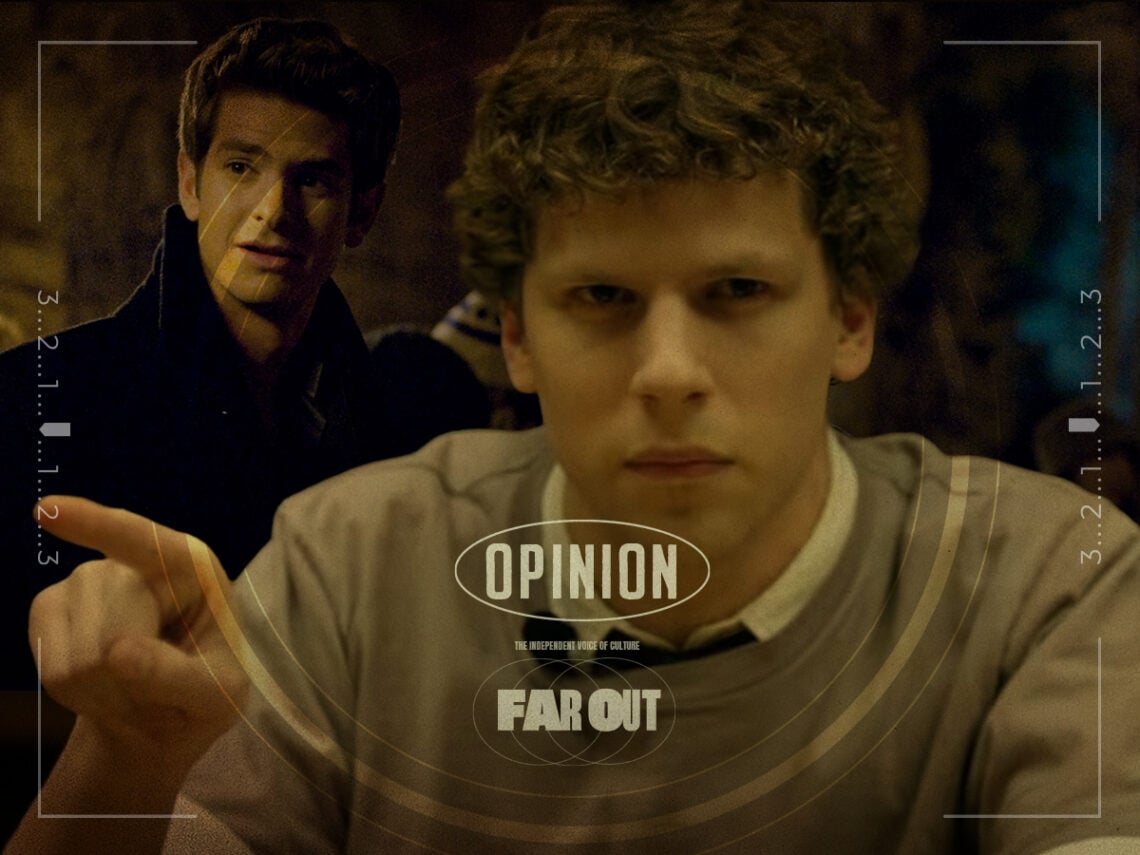
‘The Social Network’ 15 years later: No one listened to David Fincher’s warning

David Fincher has always been on the pulse, using his movies to critique late-stage capitalism and the inescapable grasp of consumerism, especially with movies like Fight Club. Sadly, it has been subjected to many misunderstandings, resulting in a dedicated fanbase who identify with the film for all the wrong reasons.
Loved by many men who identify as incels or right-wing in spite of the film’s clear anti-capitalist critiques, Fight Club isn’t the only film of Fincher’s that has been woefully misunderstood by many, its message dangerously ignored. He once told The Guardian in regards to Fight Club, “I’m not responsible for how people interpret things…Language evolves. Symbols evolve. […] We didn’t make it for them, but people will see what they’re going to see.” The same seems to be true for The Social Network, which was released 15 years ago to unanimous acclaim.
Making a movie about Facebook, which was created six years prior by several university students, including one of the wealthiest men on the planet, Mark Zuckerberg, was a bold choice. How do you make a movie about people who rose to fame just a few years prior, and were only continuing to rise in power and profit? With the help of screenwriter Aaron Sorkin, who used the book The Accidental Billionaires by Ben Mezrich as source material, Fincher created a movie which explored the betrayal and ego at the heart of Zuckerberg’s creation, which has only turned our world into an irreversible social-media-fuelled hellhole.
Facebook utterly changed the way we communicate, making people’s lives more available than ever and privacy a privilege. With a few clicks, we can find out valuable information about strangers, and while the platform certainly has its perks in keeping people connected, it completely transformed the internet into a place of intense surveillance, encouraging people to share their every move.
The Social Network doesn’t hold back in showing Zuckerberg to be an unkind narcissist, spurred by ego and the drive for success, no matter what, in his quest to create Facebook. He destroys friendships, which is ironic given Facebook’s supposed appreciation for community, and Fincher uses the film as a warning to the dangers of greed and the effects of social media in fuelling our capitalistic world.
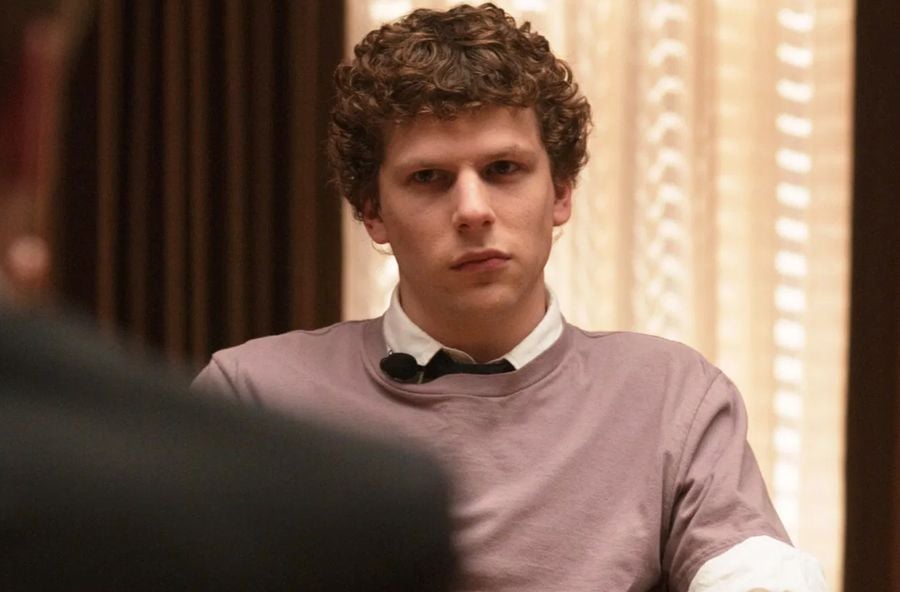
2010 was still a relatively early time for social media; it was before Instagram became the ultimate popularity contest, Twitter/X became a political battleground, and TikTok began rotting our brains. But Fincher evidently knew that social media could only breed a dangerous sense of egotism and selfishness, and it would be just a matter of time before more platforms would start to crop up in the wake of Facebook’s success.
Since The Social Network was released, it has continued to remain relevant. Fears regarding privacy, censorship, and the easy access to graphic imagery or harmful right-wing groups (the list goes on) are more prevalent than ever, and the social media landscape is only continuing to remain a dark and dire place. Why did no one listen to Fincher’s warning?
In fact, there was a reported increase in start-up businesses and social media developments following the release of The Social Network, with people claiming that they were inspired by Zuckerberg to create something that could generate as much financial success. But the director didn’t want people to be inspired by the evil Facebook man; he wanted people to be aware of the dangers of getting too caught up in a world where money and success override friendship and kindness, where social media can only cause betrayal and terrifying invasions of privacy.
We live in a horrifying age where social media rules our lives, but who knows what the world would look like if Facebook hadn’t dominated the internet in the 2000s? The Social Network, with its fantastic Trent Reznor and Atticus Ross soundtrack, is a blistering film that should’ve made more people think about capitalist greed and the dangers of social media, but look at the state of the world today: Zuckerberg is pure evil, calling Trump “badass” and allowing Meta platforms to freely promote misinformation and harmful right-wing ideology.
We’re doomed, and that’s what The Social Network got right 15 years ago, but not enough people listened.
