


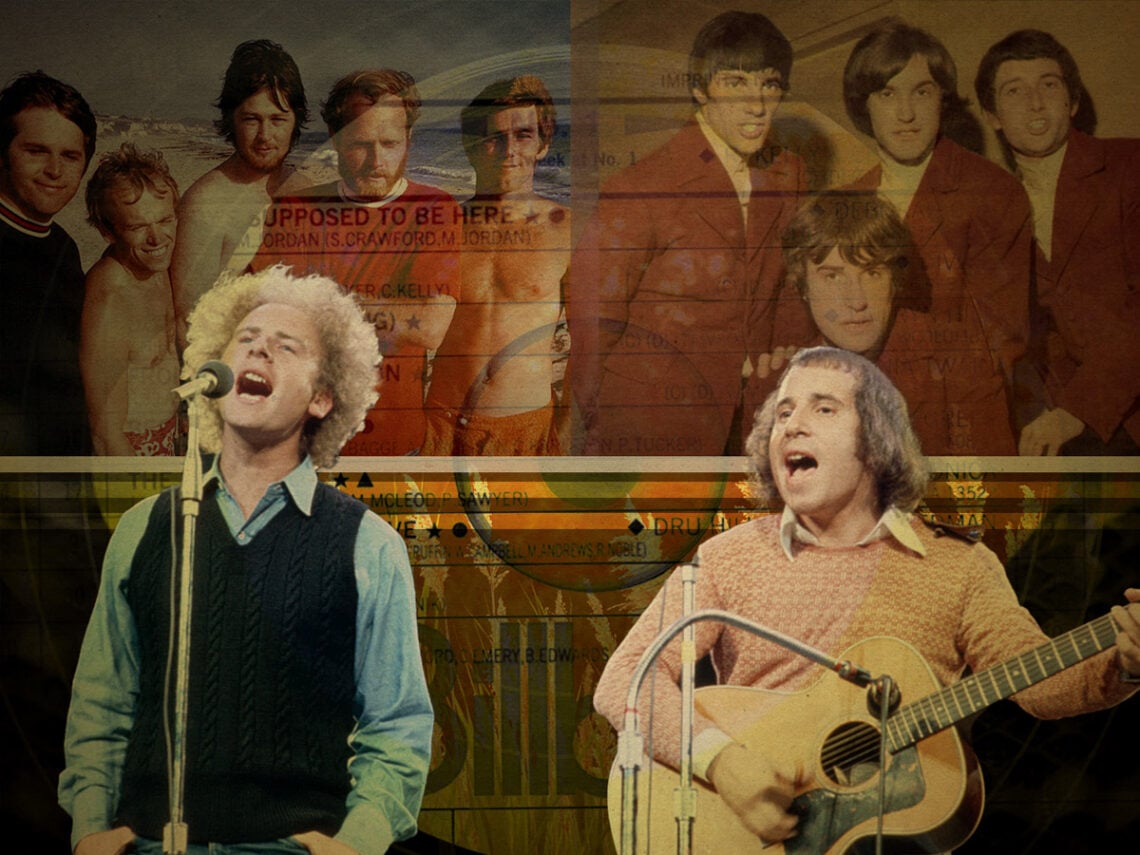
The six best ‘songs of the summer’ from the 1960s

Maybe there were just too many incredible pop songs in the 1960s; too many hits in quick succession to ever consider limiting your shimmering summertime memories down to one. Whatever the reason, the expression ‘song of the summer’ was essentially non-existent during the entirety of that decade.
The same was largely true of the 1970s, ‘80s, and ‘90s, as well. It’s really only been in the streaming age, starting in the 2000s, that the idea took hold of nominating one track as the grand champion of the northern hemisphere’s hot season. It started out as an oft-repeated promotional gimmick, record companies trying to position their artists’ new singles as something thoroughly anthemic now, and reflective of the June to August vibe. The marketing soon led to internal industry competition, which led to actual debates among the listening public, and after a while, the song of the summer concept started to feel like an actual award to be won: a Grammy for best barbecue jam.
In America, Billboard introduced its own semi-official ‘Song of the Summer’ chart in 2010, and eventually enhanced it to cobble together YouTube views and other indicators of the song’s expansion into the broader zeitgeist. That factor, it seems, is far more essential to a SotS contender than actually being about summertime or even having a summery feel.
Some sunny characteristics can certainly help, but ultimately, the songs Billboard wound up honouring with its imaginary prize were ones that were culturally inescapable, shoved down our throats to such a degree that even people dedicated to avoiding them would still know most of their lyrics and get the melody stuck in their head. Any time you stepped into an Uber, sat in a stadium, or got put on hold by your internet provider, that song would be there waiting for you, all summer long.
Some of the Billboard winners of recent years include the tracks I mention here with considerable hesitation, for fear of them worming their way back into my weakened but still resistant brain: Carly Rae Jepsen’s ‘Call Me Maybe’, Daddy Yankee’s ‘Despacito’, Lil Nas X’s ‘Old Town Road’, and Harry Styles’ ‘As It Was’.
It seemed like everyone in 2024 merely accepted that Sabrina Carpenter’s ‘Espresso’ was the designated song of the summer as a matter of some sort of pre-ordainment, which made it surprising to learn that Billboard’s summer charting machine only had it at the fourth biggest tune of the season that year, with Post Malone’s ‘I Had Some Help’ at number one.

I’m not even sure I’ve ever heard the Post Malone song, which serves as a good indication of the changing nature of the SotS and the future of hit songs altogether. The oft-discussed fracturing of the monoculture is gradually decreasing the number of songs we all listen to together during any particular block of time, as dictated over the past century mainly by radio, TV, magazines, social media, and powerful record companies.
With the old delivery systems weakened, the listening divide is no longer along age or demographic lines, but around a thousand other deviation points, as every individual can not only dig down into their own preferred rabbit holes of music interest, but stay down there, sometimes pulling off the magic trick of never actually hearing the song that ten million other people are making memes about. We’ve lost a lot by not having that shared language of the old monoculture, but if there’s a world in which I could have gotten through 2010 without hearing Katy Perry’s ‘California Gurls’, I’m willing to give that new reality a try.
In fact, rather than try to keep up with whoever’s in pole position to be the song of the summer for 2026, I’d prefer to return to the aforementioned, unofficial summer anthems of the 1960s, when new dance crazes, chillout classics, and jumbo-sized pop gems were as abundant as the edible portions of the Wonka factory.
Since there were no official SotS competitions in the ‘60s, and Billboard’s own retroactive accounting of the topic looks less than trustworthy, not to mention US-centric, we’re going to take some liberties in selecting six 1960s tracks most worthy of song of the summer recognition during their own initial time of release.
For this list, record sales and zeitgeistiness certainly matter, as we’ve required all selections to have been number one records in either the US or the UK. They also need to have survived the passage of time as instantly recognisable ‘oldies’ classics, and, as an important bonus, they all need to feel like summertime when you hear them today, even if you weren’t around in the ‘60s to have any nostalgia on the ready.
Artistic legacies or Hall of Fame credentials are less important here, so no griping about why The Beatles or The Rolling Stones aren’t included. A calendar year is only three months long in this competition, and these are your winners.
The six (or seven) best songs of the summer from the 1960s
Chubby Checker – ‘The Twist’ (1960)
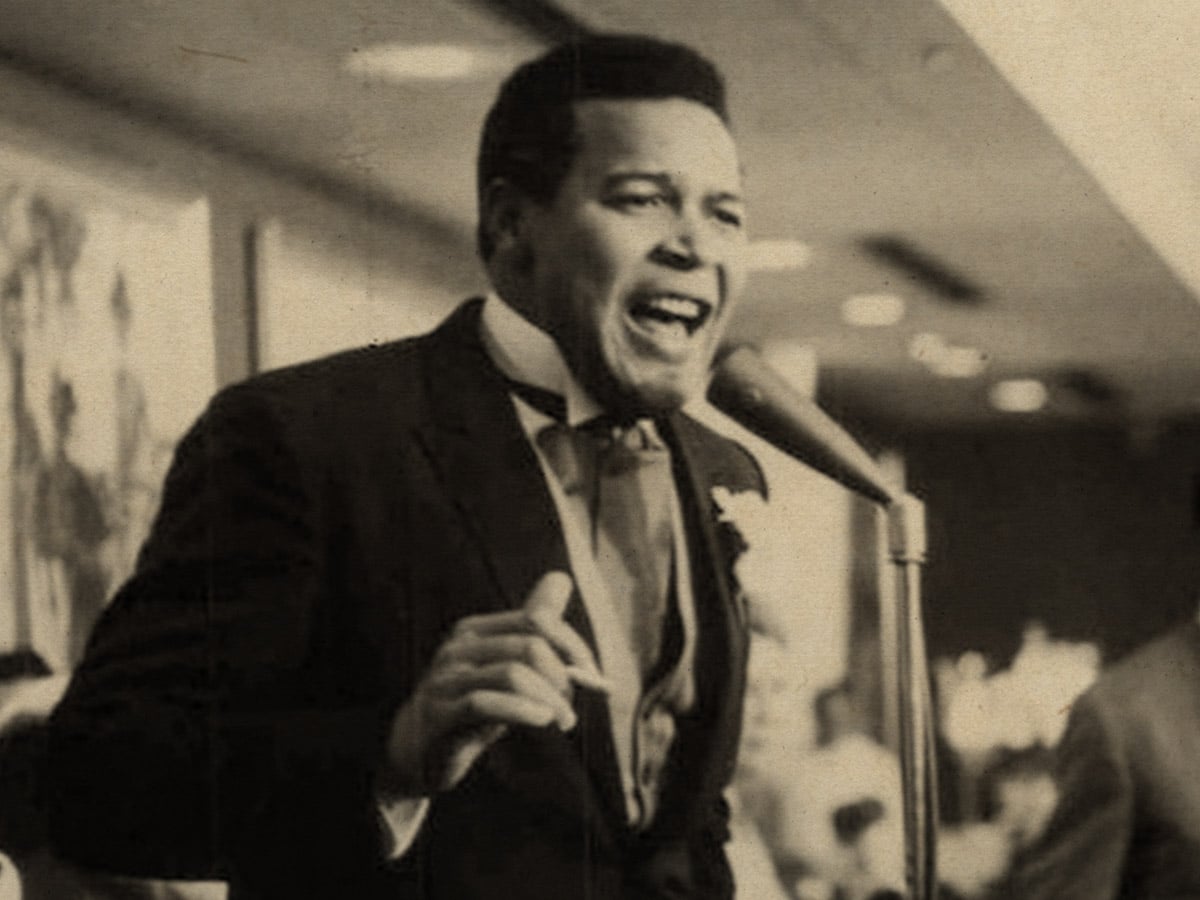
No song better captures the birth of the modern summer dance craze than Chubby Checker’s ‘The Twist’. Originally written and recorded by Hank Ballard, the song became a phenomenon when the 19-year-old Checker released his version in June of 1960. Its accompanying dance was revolutionary because, unlike some previous partner dances, you didn’t actually have to touch anyone.
Novelty dance numbers aren’t necessarily supposed to have legs, if you’ll excuse the pun, when it comes to their shelf life on the charts. But ‘The Twist’ turned into a whole enterprise unto itself, starting with a hit sequel in the summer of 1961 (‘Let’s Twist Again’) and then the return of the original single to the top of the US charts in 1962, an almost unprecedented run that Chubby essentially milked into a 60-year career.
Lesley Gore – ‘It’s My Party’ (1963)
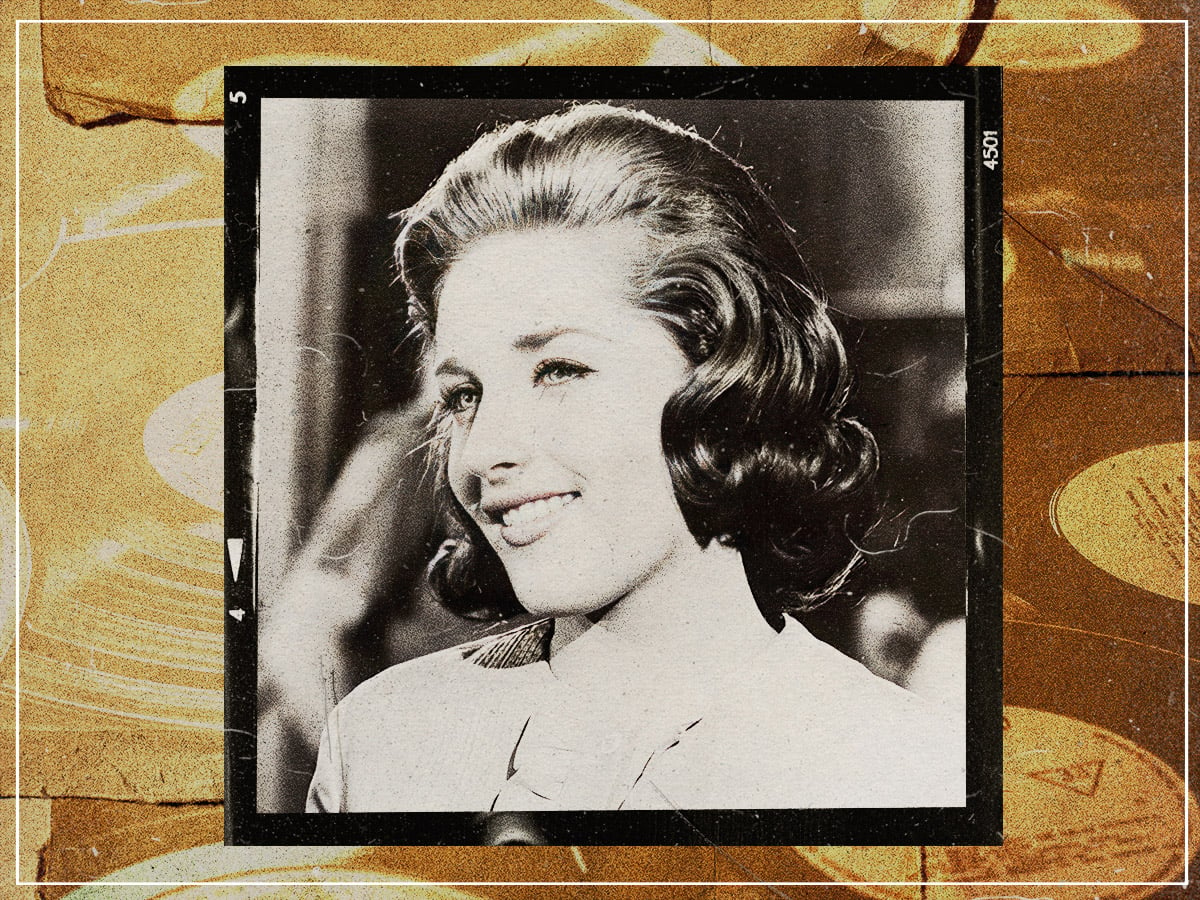
Summer isn’t always sunshine and romance; sometimes it’s teenage heartbreak, jealousy, and melodrama, all of which Lesley Gore packed into two and a half perfect minutes on ‘It’s My Party’, her debut single at age 17. Produced by Quincy Jones, the song tells the tale of a birthday party ruined by an unfaithful boyfriend, with Lesley masterfully capturing the spirit of the increasingly self-determined and unapologetic ‘60s girl, singing the refrain, “I’ll cry if I want to”.
The single shot to number one in the United States in June of 1963 and reached the top ten in the UK, as well, becoming one of the defining records of the girl-group era. The atmosphere of the track is certainly evocative of transistor radios, soda fountains, and early ‘60s suburban adolescence, but if you were a teen at the time, it was just a banger of a choice for the jukebox.
The Beach Boys – ‘I Get Around’ (1964)

If there were an Olympic event for sounding like summer, The Beach Boys would have dominated it. ‘I Get Around’ represented the group at the height of their surf-and-hot-rod phase, celebrating freedom, youth, cars, and endless California sunshine, while the complex vocal harmonies disguised just how sophisticated Brian Wilson’s songwriting was becoming.
Released in May of ‘64, the song became The Beach Boys’ first US number-one hit on Independence Day and also reached the UK top ten. More than any other record on this list, ‘I Get Around’ established the template for the idealised American summer. Even listeners thousands of miles from the Pacific coast could imagine themselves cruising along the beach with the windows rolled down.
The Four Tops – ‘I Can’t Help Myself (Sugar Pie Honey Bunch)’ (1965)
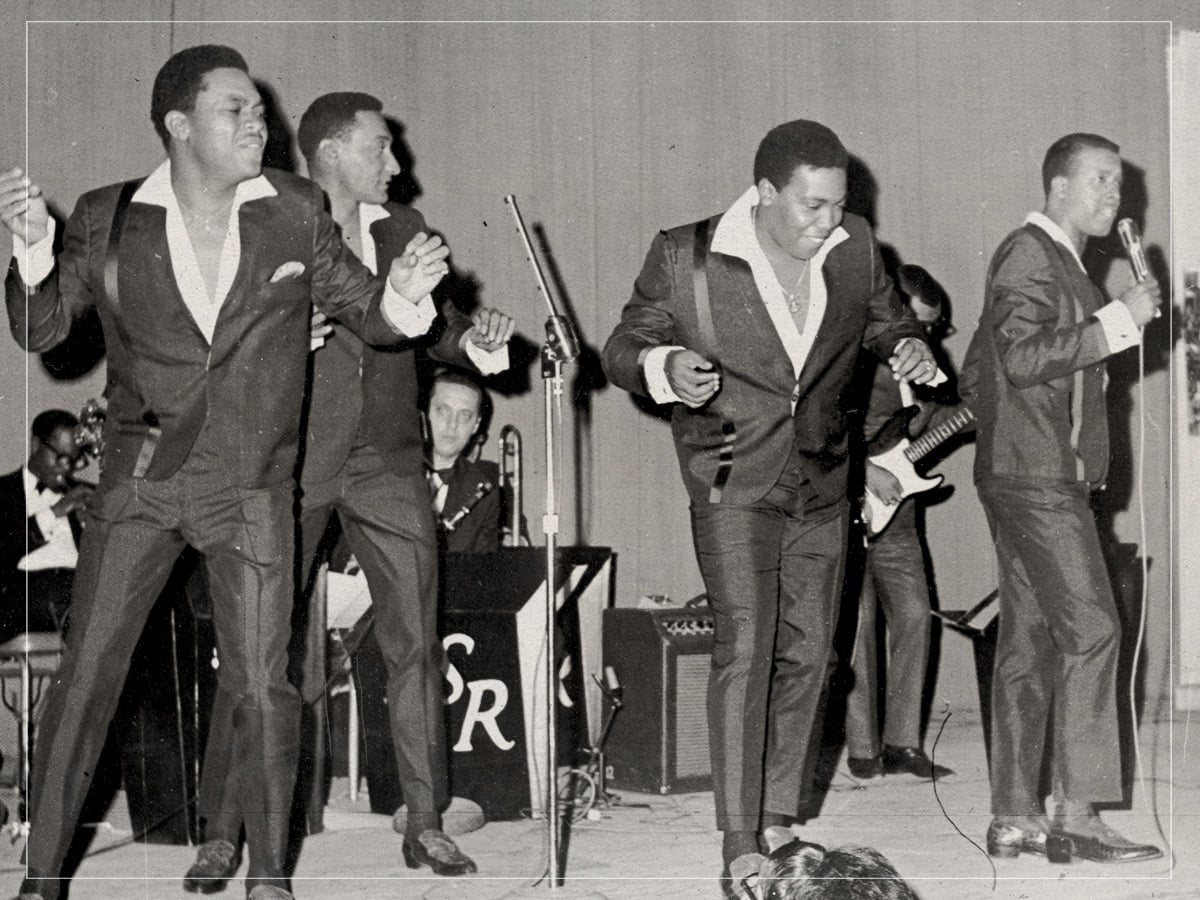
Motown had plenty of contenders for summer-song immortality, but few matched the sheer exuberance of ‘I Can’t Help Myself (Sugar Pie Honey Bunch)’. Powered by the booming voice of Levi Stubbs and the songwriting team of Holland-Dozier-Holland, it delivered pure joy from its opening seconds.
The single spent two weeks at number one on the Billboard Hot 100 between June and July of ‘65, and while the argument could be made that its successor, The Rolling Stones’ ‘Satisfaction’, was the bigger summer hit that year, the former edges it out in the seasonal vibe category. Of course, now that it’s a required track for every wedding DJ on earth, ‘Sugar Pie’ has evolved into the tune for all seasons at this point.
Tie: The Kinks – ‘Sunny Afternoon’ (1966) and The Young Rascals – ‘Groovin’ (1967)
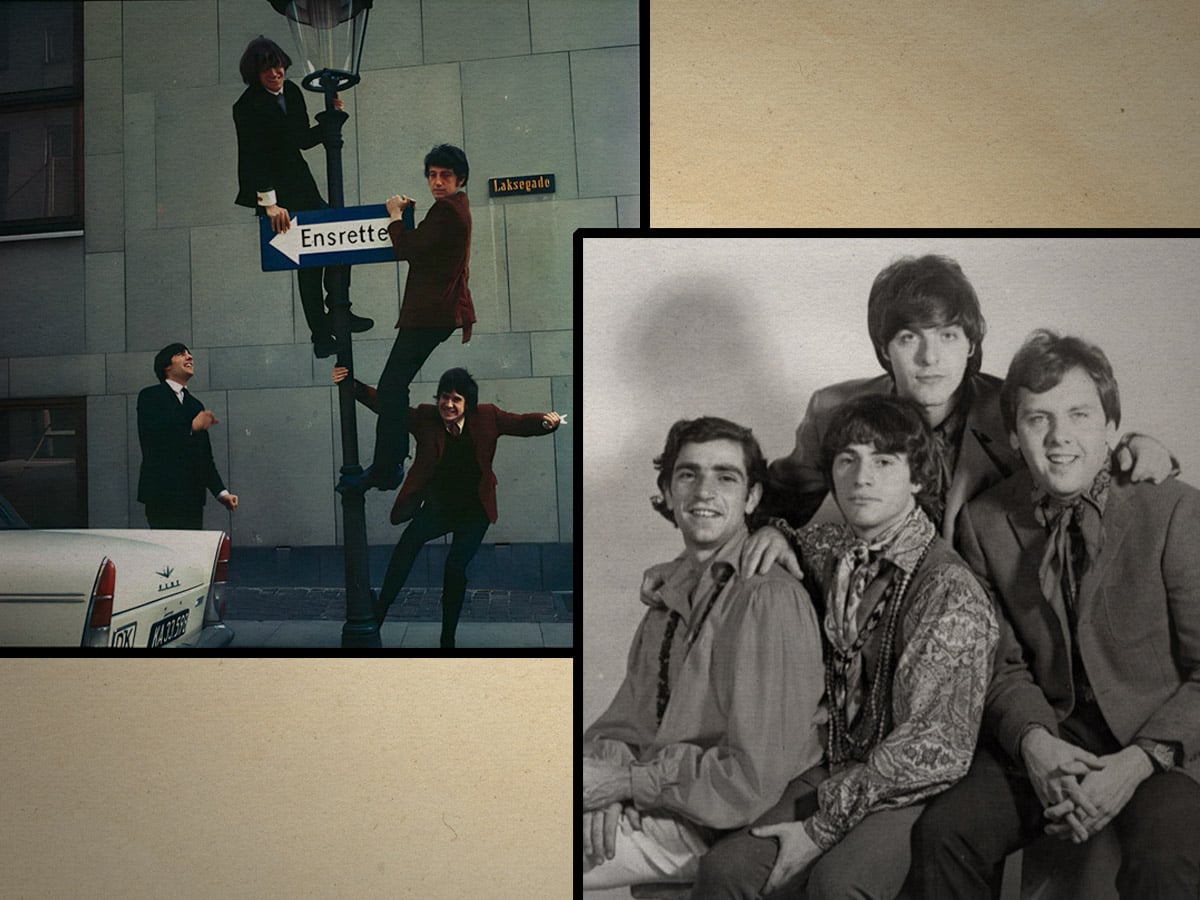
The Kinks took a completely different approach to summer on ‘Sunny Afternoon’, and rather than celebrating youthful exuberance, Ray Davies delivered a lazy, slightly cynical portrait of an aristocrat hiding from his problems in the sunshine, a not-so-subtle political statement on the high tax rates in the UK at the time. The record reached number one in the UK during the summer of 1966 and became one of the band’s signature songs, not because most people dug the social commentary, but because the track just felt like the musical manifestation of a hot July day, lying out in the garden.
A year later, The Young Rascals’ ‘Groovin’ served a similar purpose for the American audience, hitting number one for four weeks during the Summer of Love. Built around a gentle rhythm and an unhurried melody, this tune vibed much like The Kinks’ hit, but left the taxman stuff to the side, focusing on being a bit more present: “We’ll keep on spendin’ sunny days this way / We’re gonna talk and laugh our time away”.
Simon & Garfunkel – ‘Mrs Robinson’ (1968)
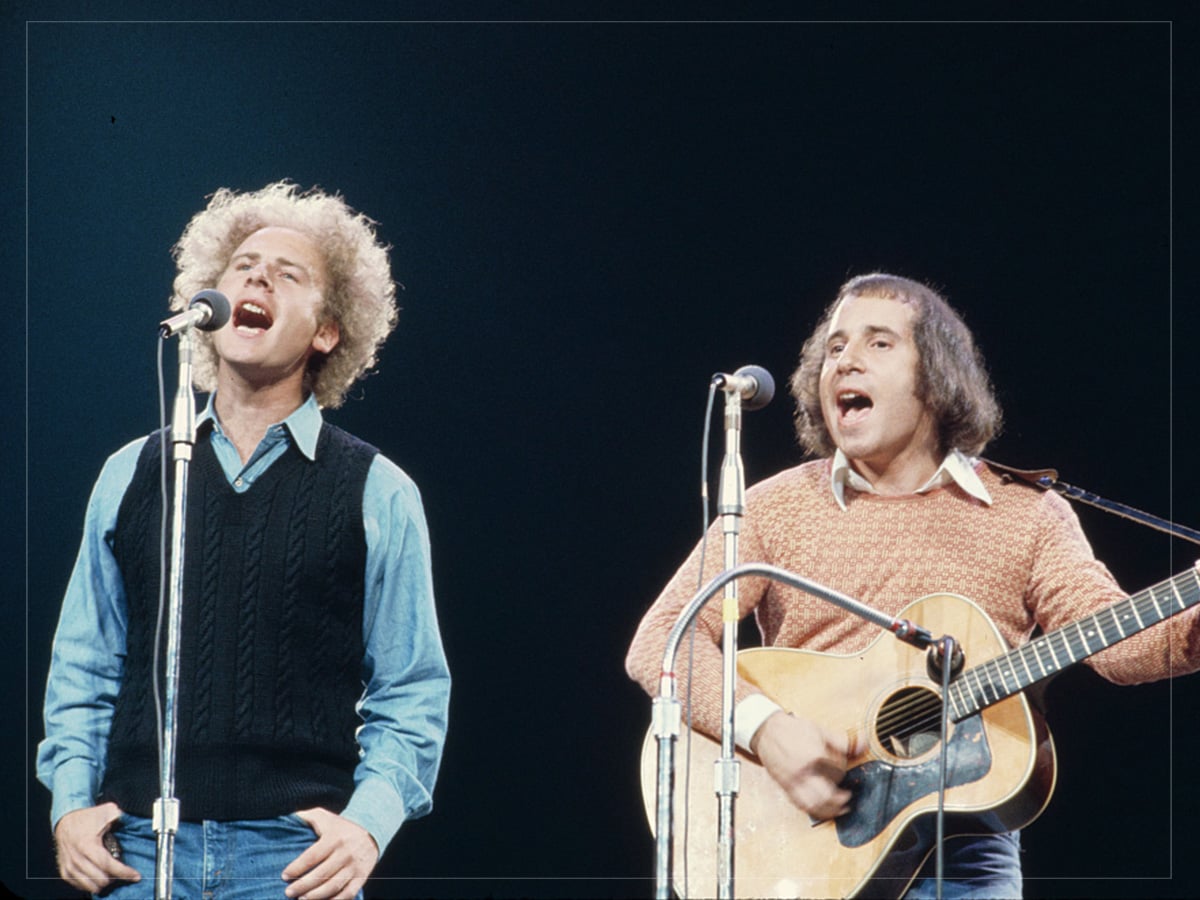
By 1968, the mood of the decade was changing, and so were its summer anthems. ‘Mrs Robinson’ emerged from the enormous success of the film The Graduate, which had come out a few months earlier, and became one of the defining songs of a very difficult summer in America, as the nation, in turmoil, was metaphorically turning its eyes back to the comparative innocence of the wartime years, represented by ‘Joltin’ Joe DiMaggio.
The single stayed at number one on the Billboard Hot 100 for almost the whole month of June and reached the top five in the UK. The following year, it became the first rock ‘n’ roll song to win a Grammy for ‘Record of the Year’, but more importantly, it was the song of the summer in 1968!
