


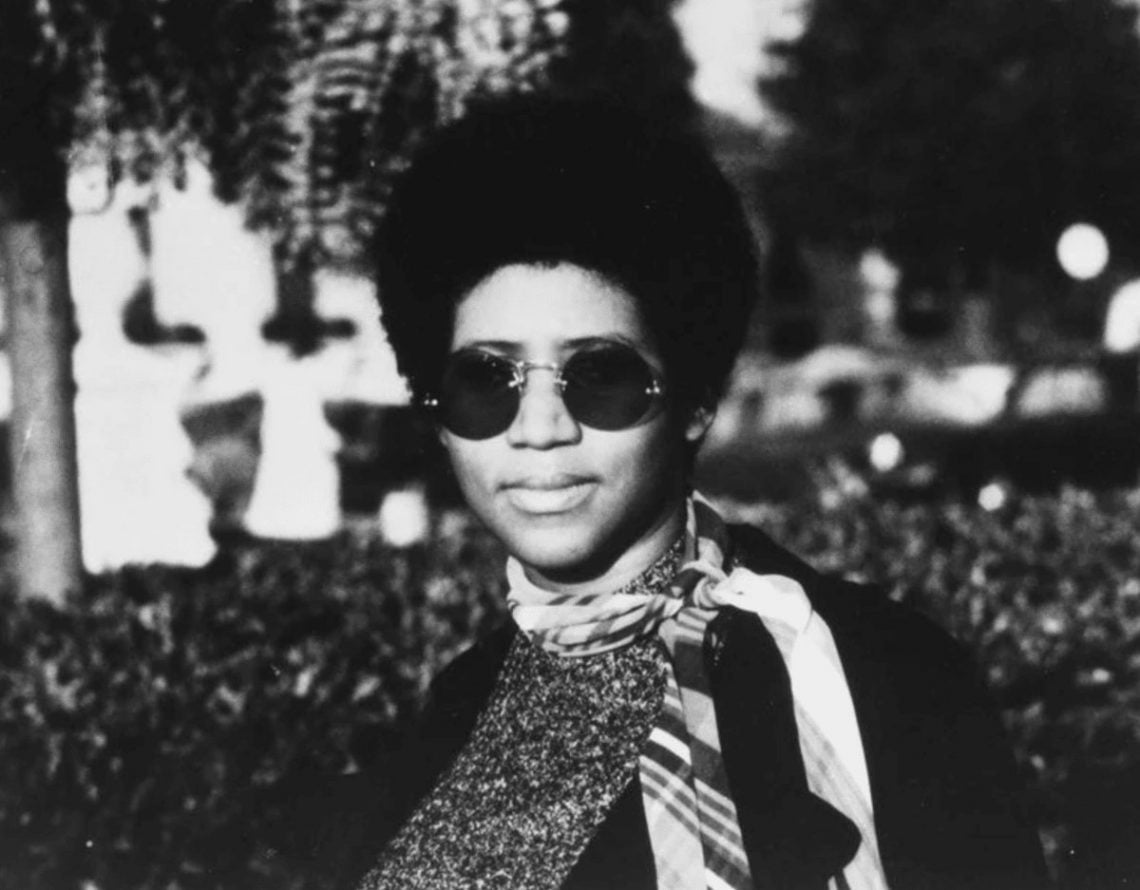
The singer Aretha Franklin aspired to sound like

Anyone who has ever tried to sing soulful music worships at the altar of Aretha Franklin. Although she may have been able to command a stage unlike any other R&B star in the world, the central piece of the puzzle was her voice, emanating like a siren whenever she pumped out massive anthems like ‘Respect’. While Franklin had her sound down to a science, she admitted that she only drew from one singer’s example.
Before she had even become a pop star in the traditional sense, Franklin wasn’t looking to become one of the most prominent celebrity singers in the world. Like all great soulful singers, Franklin found her calling first singing in church, trying her hand at beautiful hymns that would become the foundation for her trademark style.
Even though Motown would come in to become the major force in soul music with artists like Smokey Robinson and the Miracles, Franklin could hold a groove down all her own, with everything coming to a halt whenever someone heard her voice. Although Franklin could shape her voice into something beautiful with every track, Sam Cooke had started the soul movement years prior.
Starting around the same time as the genesis of rock and roll, Cooke brought a certain refinement to his music that hadn’t been seen before. While there were hints of bluesy swagger in his delivery, the sound of tracks like ‘You Send Me’ was unlike anything the pop world had heard before, turning around different syllables in his throat to create the melisma sounds that have been copied from everyone from Christina Aguilera to Mariah Carey.
When talking about the influence of Cooke, Franklin said that she wouldn’t be singing in the pop world without him, telling Rolling Stone, “All singers aspired to be Sam. Sam was what you call a singer’s singer … He didn’t do a lot of running around on the stage and because he knew he didn’t have to. He had a voice, and he didn’t have to do anything but stand in one place and wipe you out.”
With years of training under her belt, Franklin quickly became the female counterpart to what Cooke could do, standing in front of a crowd and winning them over through the sheer power of her voice. Outside of the physicality of the performance, Cooke’s attention to the messages in his songs would also have a massive impact on what Franklin’s music would become.
In the times before artists like Marvin Gaye were creating message songs, tracks like ‘A Change is Gonna Come’ got the ball rolling for political material in soul music, with Cooke making a bold stance against those trying to keep the black community confined. While Cooke’s response came from growing racial tension, Franklin focused on the tension between genders, flipping the tune of Otis Redding’s ‘Respect’ into a female empowerment anthem when she recorded it.
Above all else, Franklin’s love for Cooke is more about how an artist approaches their craft rather than the actual execution of the song. Anyone could sing a song accurately if given the proper training, but the authority of singing like Cooke and Franklin, comes from the heart rather than the diaphragm.
