


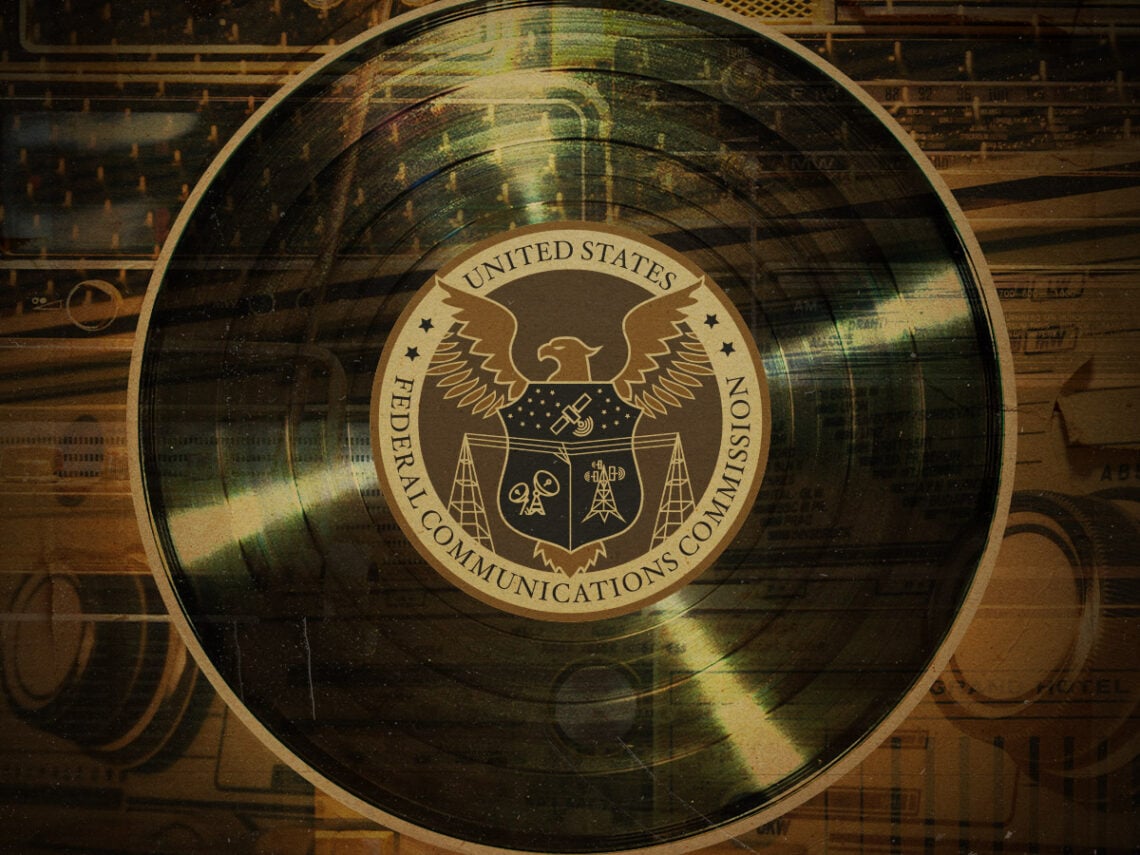
The simple 1965 FCC ruling that led to the rise of the album

When commercial radio broadcasting in the United States was first invented in the 1920s, both broadcasters and listeners complained of the deafening static that overtook the AM radio signals, which most often came as a result of electrical storms.
Seeking a version of the technology that would transmit and receive higher-frequency signals, American engineer Edwin Howard Armstrong developed FM radio (frequency modulation, to AM’s amplitude) in the mid-1930s, eliminating static while sending signals widely. FM began to spread across the airwaves, despite its superior quality, a wider resistance to change, and various regulations, which gave it a slow but steady start, and soon, it gained wider popularity.
In 1952, A New York City-area classical music station called WQXR came up with the idea of simulcasting on its AM and FM stations, that is, broadcasting the same programme in multiple formats, which would give listeners the option to create a stereo experience. Other radio stations followed suit, but the Federal Communications Commission (FCC) retaliated against the practice, citing that it was a waste of spectrum, which led to new standards for wide-band FM stereo broadcasting, making it increasingly available, though many of these stations continued to carry the same signal as their AM counterparts.
The FCC, still fixated on the belief that simulcasting presented a waste of spectrum and deeming the practice “inefficient” in its 1964 annual report, adopted the FM Non-Duplication Rule in July 1964, which ruled that broadcasters who were dual holders of FM and AM licenses could not duplicate their programming; that is, no more than 50 per cent of their AM signal (in cities of more than 100,000 people) could be duplicated on their FM station. Taking effect in October 1965, the ruling was implemented to sustain the development of FM broadcasting, and in a way, it achieved its goal, albeit in an unexpected turn.
Initially, there was pushback on this new rule from broadcasters, who now had to hire staff to appear on-air and find the compensation to do so, while also sourcing studio space to host the additional content. Stations also suddenly needed to fill their FM airtime, often hours’ worth, with Ben Strouse, the then-president of Washington DC’s WWDC-FM station, poetically declaring regarding the FCC’s support of FM radio, “Sometimes the love of a government agency can be the kiss of death”. The ruling proceeded despite protest, and in came an influx of new radio staff, most often recent college graduates who were not demanding high pay salaries. Needing to fill their FM airtime with something, they turned to their own tastes, essentially given the freedom to play whatever they liked.
Inadvertently, the FCC’s ruling contributed to the emergence of freeform radio, compiling playlists with little regard for genre or format, so long as they were compliant with the new rule and other regulations, enhanced by FM radio’s higher stereo sound quality. A blend of soul, blues, jazz and world music began to take over the music stations, but given the popularity of rock ‘n’ roll at the time, rock music reigned over the airwaves. The mid-60s gave way to the counterculture, which was soundtracked by bands gaining cult followings through performing live and releasing records, but they rarely got played on AM radio’s’ top 40 stations, so they became known as ‘underground’ artists, as did the FM radio stations that were playing their music. Of the DJs who reigned over FM radio, many of them chose to play not only the artists’ singles, but album tracks, as well, leading to the advent of album-oriented radio.
The shift in programming can be heard in an example out of San Francisco: Tom Donahue, the ‘Father of Progressive Radio’, formerly a top 40 AM DJ who declared the format dead in Rolling Stone, and became the programme director at the city’s KMPX station in 1967, expanded the freeform approach to curating music, and thus established the first FM-radio rock station. He honed in on the so-called ‘San Francisco Sound’, with the Grateful Dead, Jefferson Airplane, Big Brother & the Holding Company, Moby Grape and more becoming staples of FM radio, as DJs began to follow in Donahue’s footsteps.
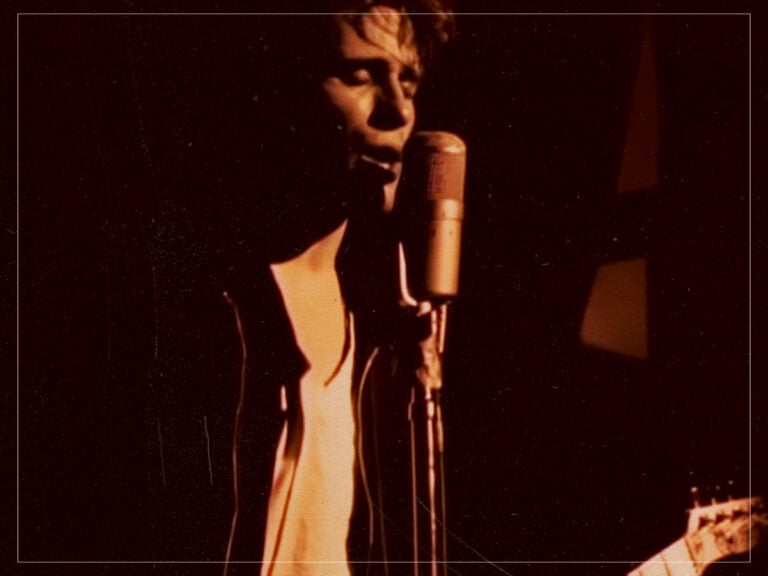
Consider how these bands gained their followings through releasing singles and then albums down the line, their performances in the Haight-Ashbury circuit garnered them the most attention. Both they and the freeform DJs that followed them favoured an antithesis to radio’s customary standard of a three-minute track. As bands would perform improvisational, sprawling versions of their songs they recorded to appease radio play, the DJs would play the same, choosing deep cuts from their albums.
After all, part of the Grateful Dead’s legacy is founded on such spontaneous gigs, turning a traditional show into an all-out jam session. The ‘album-oriented radio’ approach that FM DJs undertook meant that the artists of the counterculture, and rock music, at large, no longer had to refine their songs to fit the old standard, while DJs could play songs that spanned as long as half an hour, if they pleased.
With the rise of FM radio, the medium became more easygoing, wherein DJs were more conversational and laidback, speaking as though they were among friends, rather than strangers, and they took to curating music in terms of they wanted to listen to and, in turn, what they knew their niche of listeners would enjoy, too, rather than working to satisfy the traditions of pop music. The emphasis on the album came to dominate in the next decade (and the acronym AOR widely changed from ‘album-oriented radio’ to ‘album-oriented rock’), as hard and progressive rock became the subgenres of choice.
