


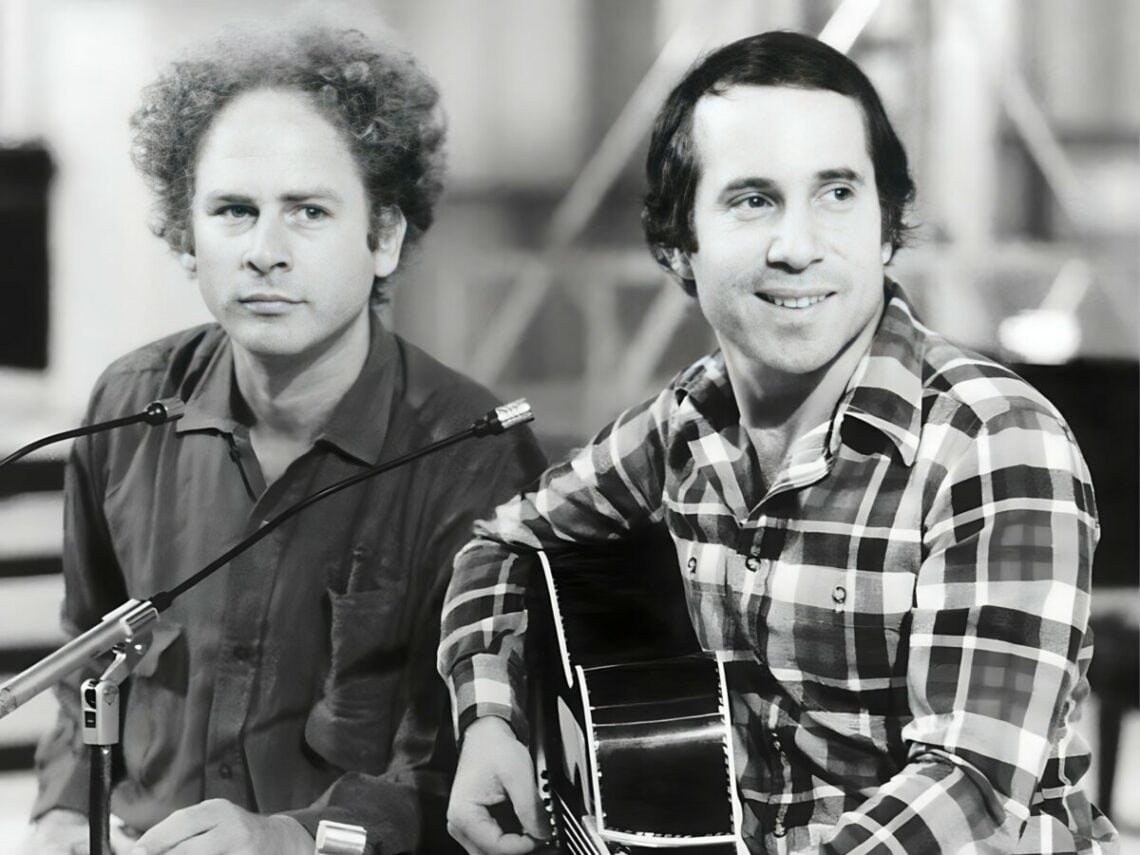
“That’s the way it is”: The Simon and Garfunkel song Art Garfunkel refused to sing

Being in a duo is sometimes harder than trying to be in a standard rock and roll band. While it’s easy to divide the credit or the blame among four or five people, having only two people to work off each other can result in some bruised egos when someone starts to take centre stage a bit more than the other. While Simon and Garfunkel tended to keep things professional in front of the crowd, Art Garfunkel knew that he couldn’t go through with Paul Simon putting this political tirade on one of their classics.
Granted, was there anyone that was going to argue with Simon’s approach to songwriting? He was already well ahead of most of his peers in terms of lyricism, and while he wasn’t as biting as someone like Dylan, a song like ‘The Sound of Silence’ might as well have been a man on the street talking about the problems with the world than someone trying to preach from a pulpit.
As the duo progressed in their career, some of their best albums started to show the strain on their relationship. Even though Bookends is still one of the finest pieces they have ever made, the fact that the whole thing feels fractured between both sides feels like their equivalent of what The Beatles had gone through on The White Album, with every piece being a little bit out of place compared to their usual synergy.
If they were past making things tidy on that album, Bridge Over Troubled Water saw them barely on speaking terms. Simon was already the one writing most of the tunes, but despite working his ass off in the studio, all he could see was Garfunkel wanting to be a movie star and not having any time to commit to the studio. At the same time, Garfunkel’s performance on the title track doesn’t sound like someone who’s merely phoning it in, either, being one of the finest vocals he ever recorded with the group.
What Garfunkel really had a problem with was the way Simon approached some of the topics. The guitarist had already begun working out different portions of the album beforehand, but Garfunkel admitted that he wanted no part in a song called ‘Cuba Si Nixon No’, which called out the dangers of the American political system.
Despite Simon having free rein over the studio in some respects, he remembered being shut down instantly when performing that song, saying, “We even cut the track for it. Artie wouldn’t sing on it. And Artie wanted to do a Bach chorale thing, which I didn’t want to do. We were fightin’ over which was gonna be the twelfth song, and then I said, ‘Fuck it, put it out with 11 songs if that’s the way it is.’ We were at the end of our energies over that.”
Granted, a political tune might have been a good way to break up the flow of the record. As much as the band do a stellar version of The Everly Brothers’ ‘Bye Bye Love,’ hearing another original would have been far better than hearing them covering a tune and especially better than Garfunkel’s idea for a chorale.
But the fact that ‘Cuba Si Nixon No’ got nixed was really an indication of where they were. They could still make music together, but by the start of the 1970s, they were never on the same creative page together again.
